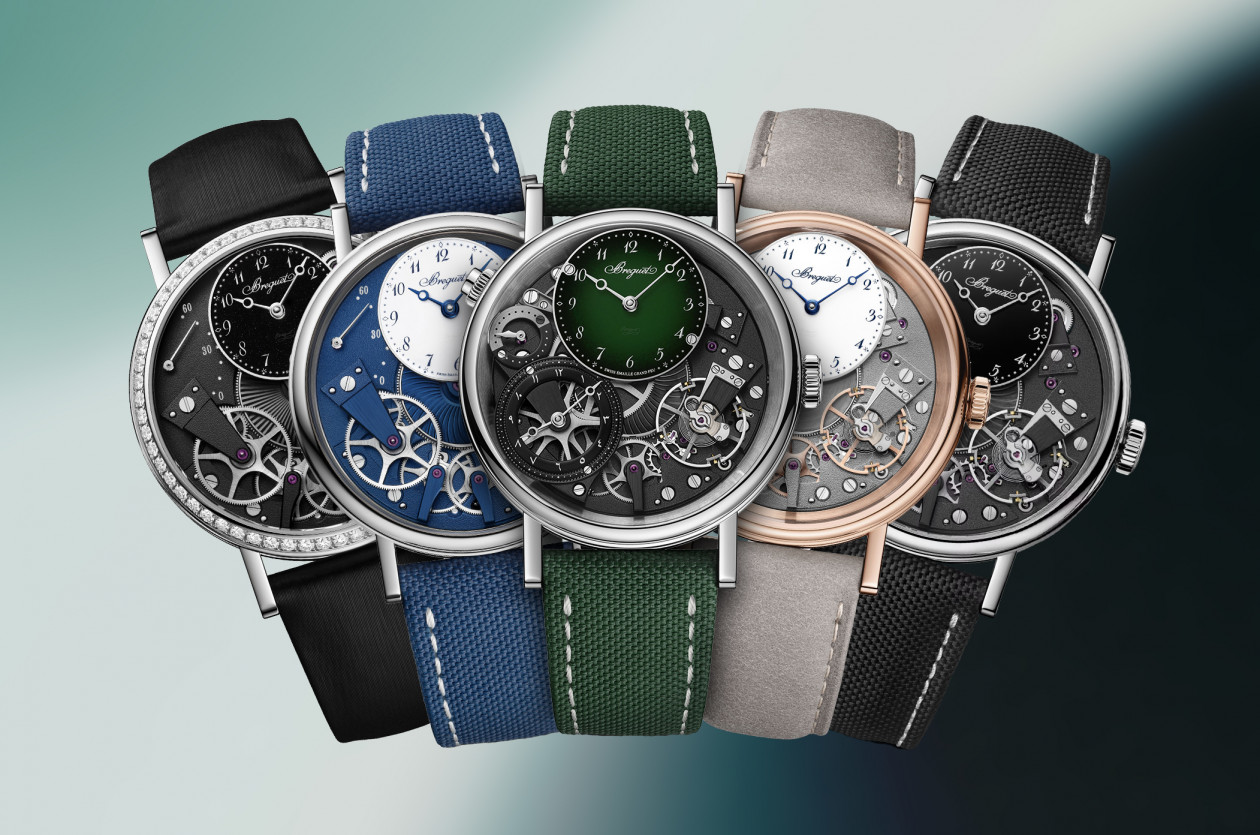
Introducing Breguet Refreshes the Tradition Collection with a Modern Touch
Welcome to the hub of the horoloy
Inspired by silk and texture from Japan’s traditional culture
There have been numerous releases from Seiko since the beginning of this year. Just a few days ago, we mentioned their new divers, but one of the most remarkable ones is the collaboration with Studio Ghibli, the limited edition Seiko Presage.

Since its introduction into the Japanese watchmaker’s line-up in 2016, the Seiko Presage has gained fame as one of the most popular entry-level dress watches. These timepieces are timeless and classic automatic watches offering a variety of case and dial configurations to suit various preferences. With Seiko’s latest release, the options expand further with the introduction of the Seiko Presage Classic Series.
 |  |
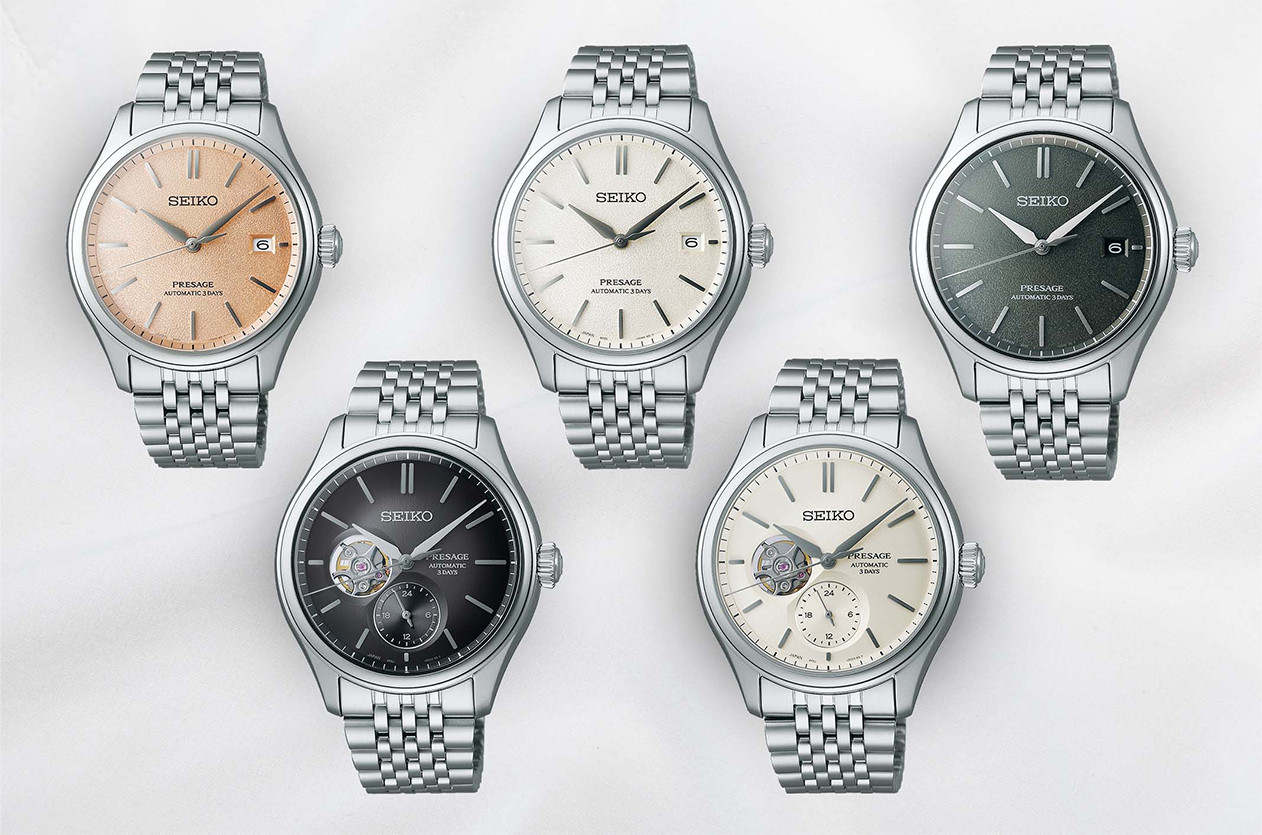
The new Seiko Presage Classic Series comprises three editions, each featuring a three-hand configuration with a date display, alongside two models with semi skeletonized designs. The new Seiko Presage Classic collection introduces several innovative features to the brand’s dress category, including a range of light-reflecting curved dials. These intricately textured displays, inspired by the soft and supple texture of natural textiles used in Japanese culture, offer a unique aesthetic. Among them are three time-and-date models inspired by smooth silk, and two open-heart references that evoke the appearance of raw silk yarn with a radial pattern.

Encased in stainless steel, the Presage collection maintains its signature soft, curved surfaces, measuring 40.2mm wide and 13mm thick. The watches feature dual-curved sapphire crystal glass on top, a matching exhibition case back, and are water-resistant up to 100 meters.

All the dials feature a subtle curvature for a light-reflecting finish and are adorned with slightly bent minute and seconds hands that gracefully follow the contours of the display, complemented by applied silvered hour markers. The dial colors pay homage to Japanese fabrics: the date model comes in cream or "shiro-iro," reminiscent of unbleached fabric; a greyish-black shade known as "sumi-iro," inspired by garments worn by monks; and a subdued peach tone referred to as "araigaki."
 |  |
The open-heart model is also available in cream or a gradient dark brownish-green hue known as "sensaicha," a color that was fashionable during the Edo Period. These versions replace the date window with a useful 24-hour dial at 6 o’clock and a captivating openwork aperture at 9 o’clock.
 |  |
Internally, the Seiko Presage Classic watches are powered by one of two recently introduced Seiko 6R movements. The time-and-date models utilize the Caliber 6R55 automatic winding movement, the same one featured in the Prospex 1965 Heritage Divers we recently discussed, while the open-heart editions house the Caliber 6R5J. Both movements boast a 72-hour power reserve, a frequency of 21,600vph, and a total of 24 jewels.
The bracelets have been updated as well, with a new seven-link design crafted to complement the classic aesthetics of the Presage collection. The classic date models will retail for USD 1,150, equivalent to 4,250 AED, while those with semi-skeletonized dials are priced at USD 1,360, which equals 5,000 AED.
For more information please visit Seiko’s official website.
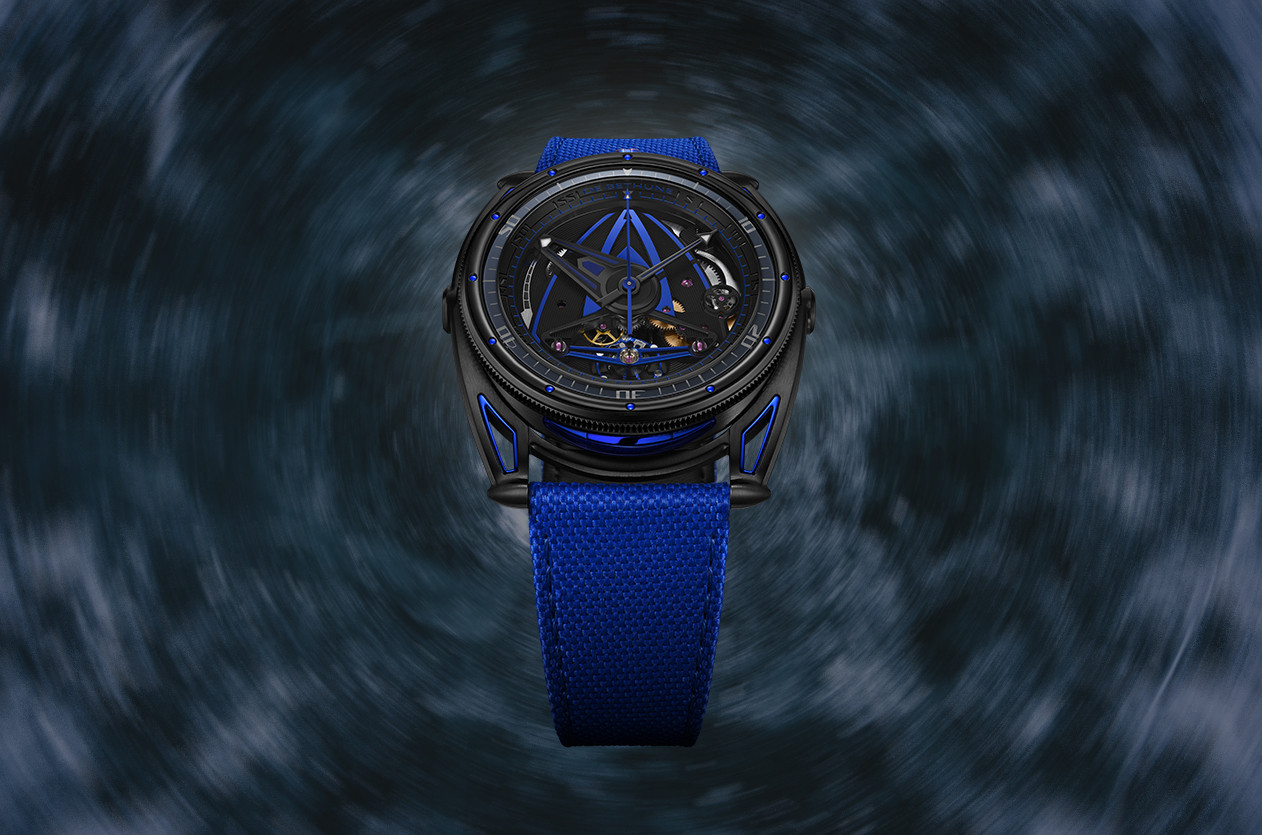
Introducing DB28GS Swordfish: The Luxury Dive Watch from De Bethune
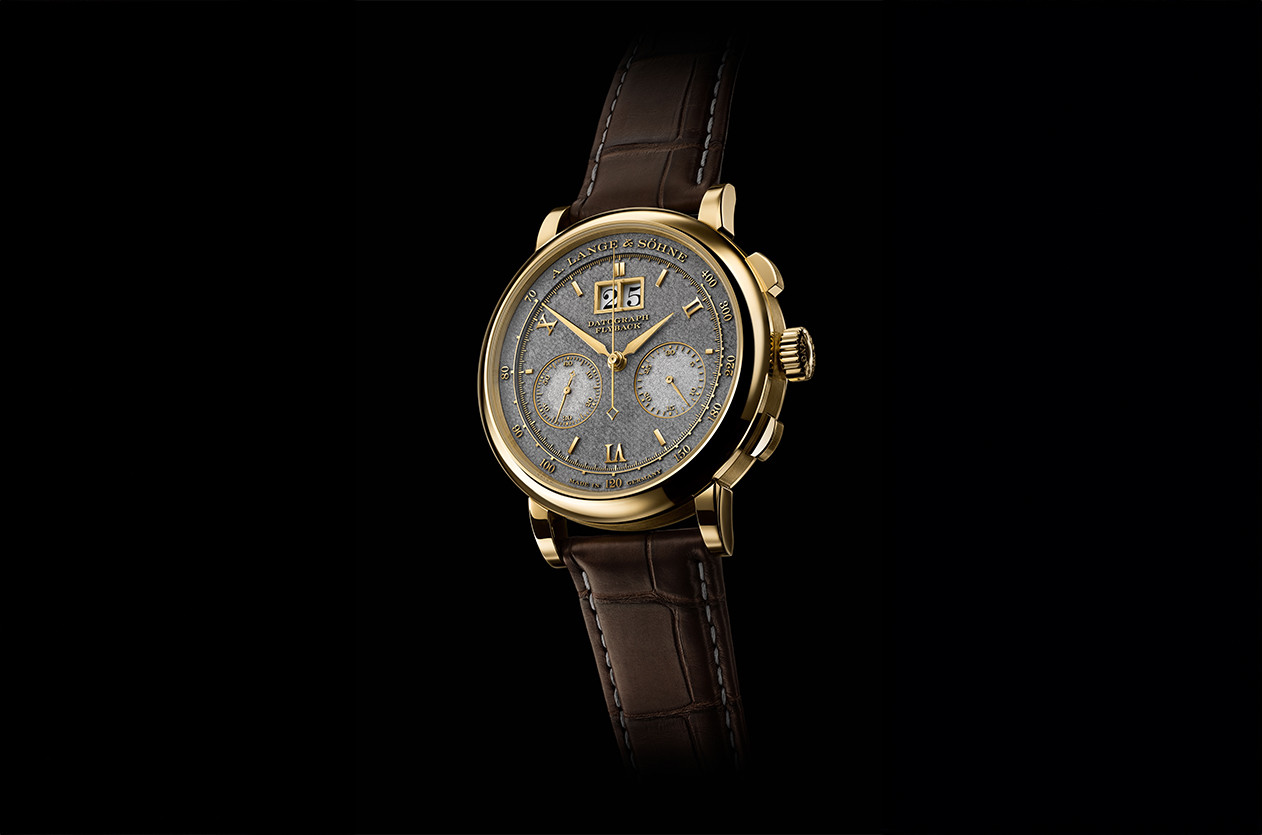
Introducing A. Lange & Söhne Continues Celebrating the 25th Anniversary of the Datograph
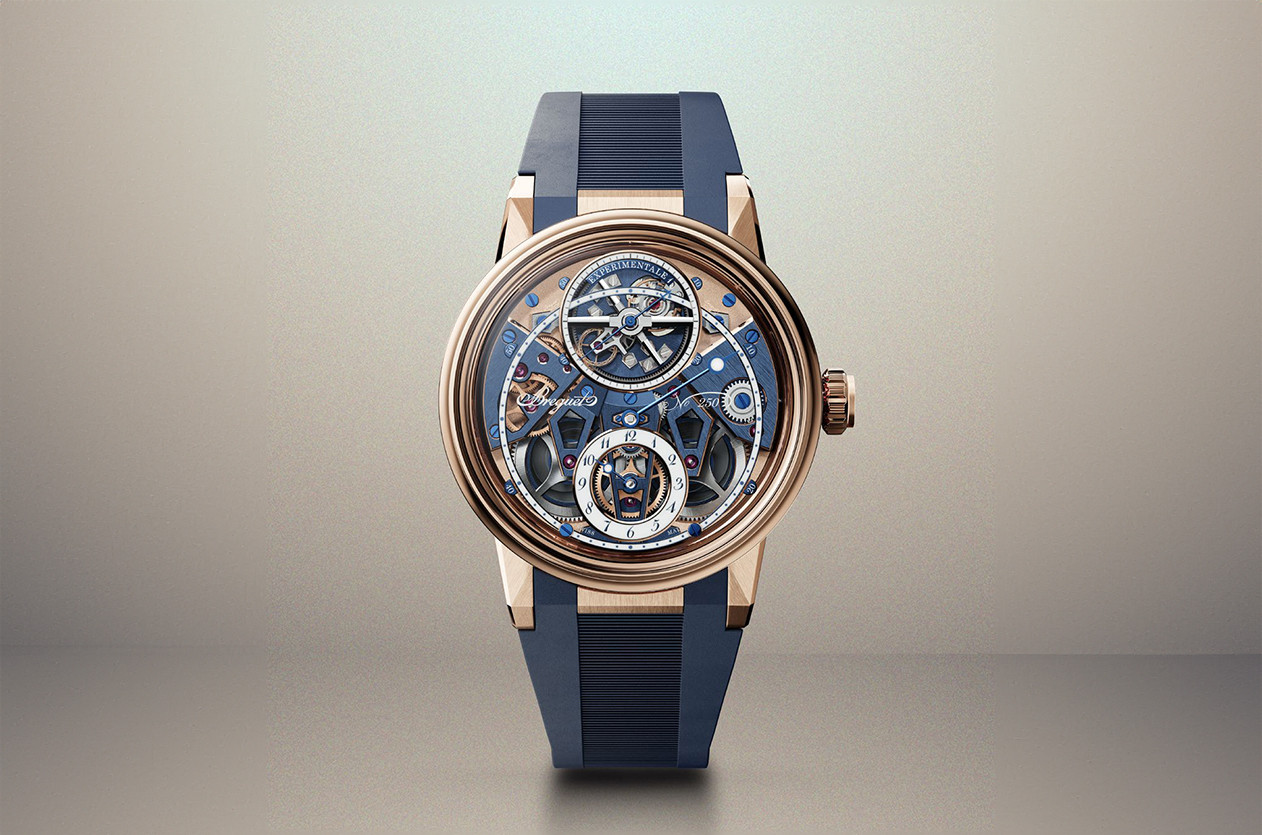
Introducing Breguet Unveils Its Final 250th-Anniversary Timepiece: Expérimentale 1
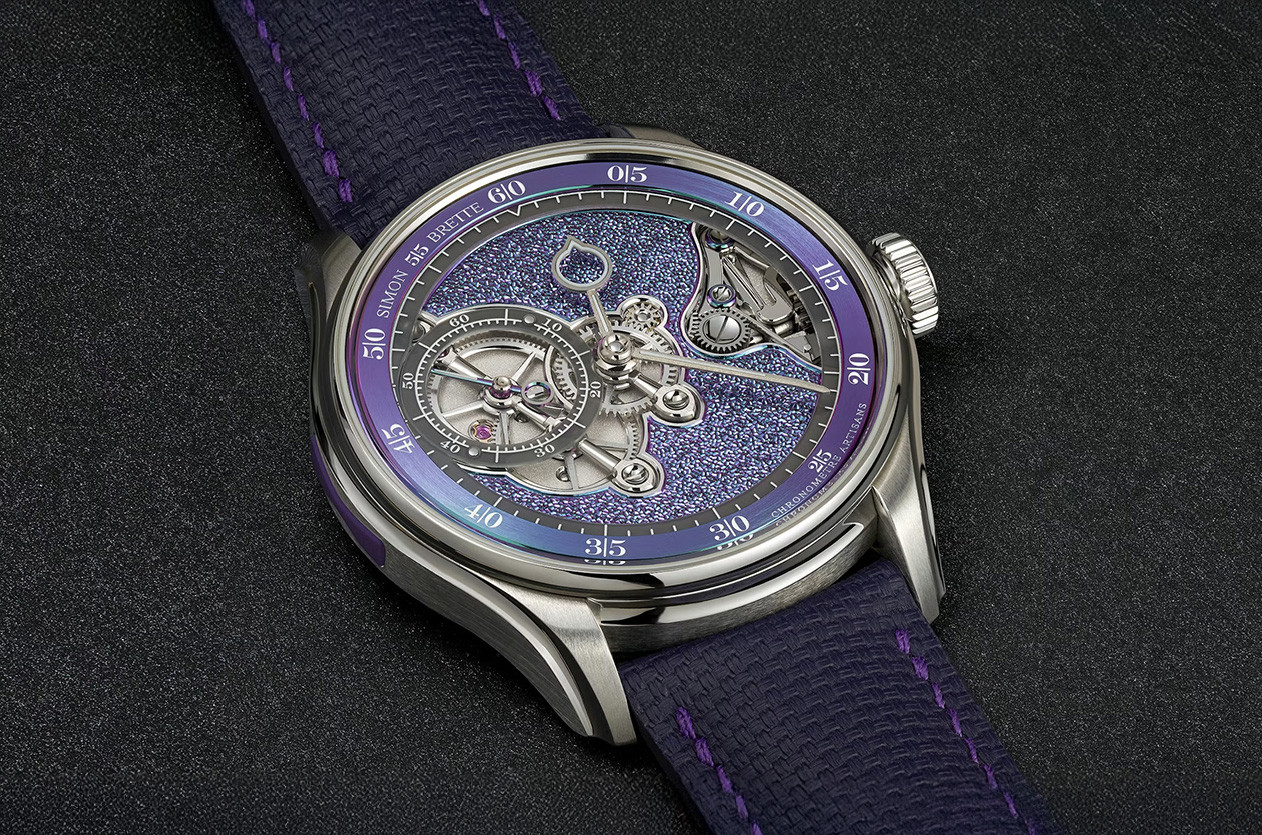
Introducing Simon Brette Unveils the Chronomètre Artisans in Stainless Steel
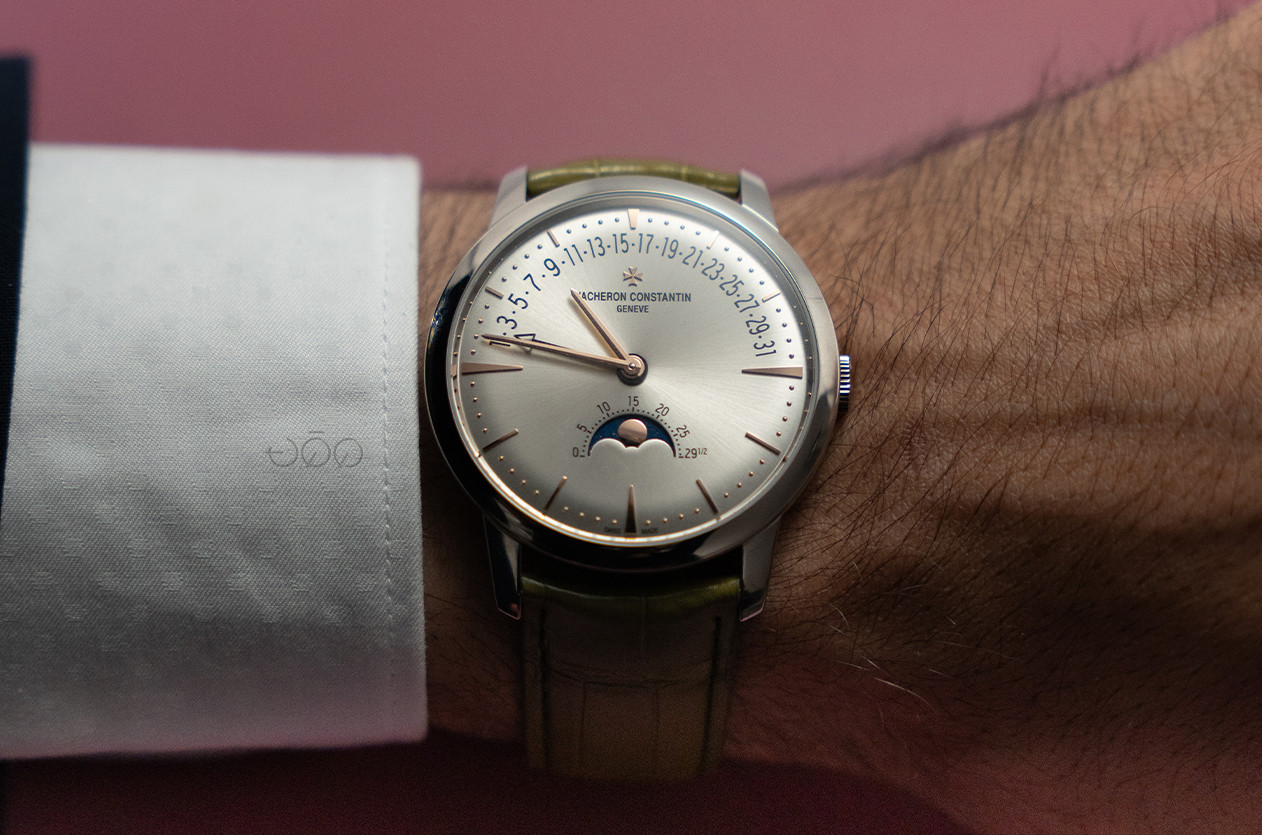
Hands on The New Vacheron Constantin Patrimony Collection
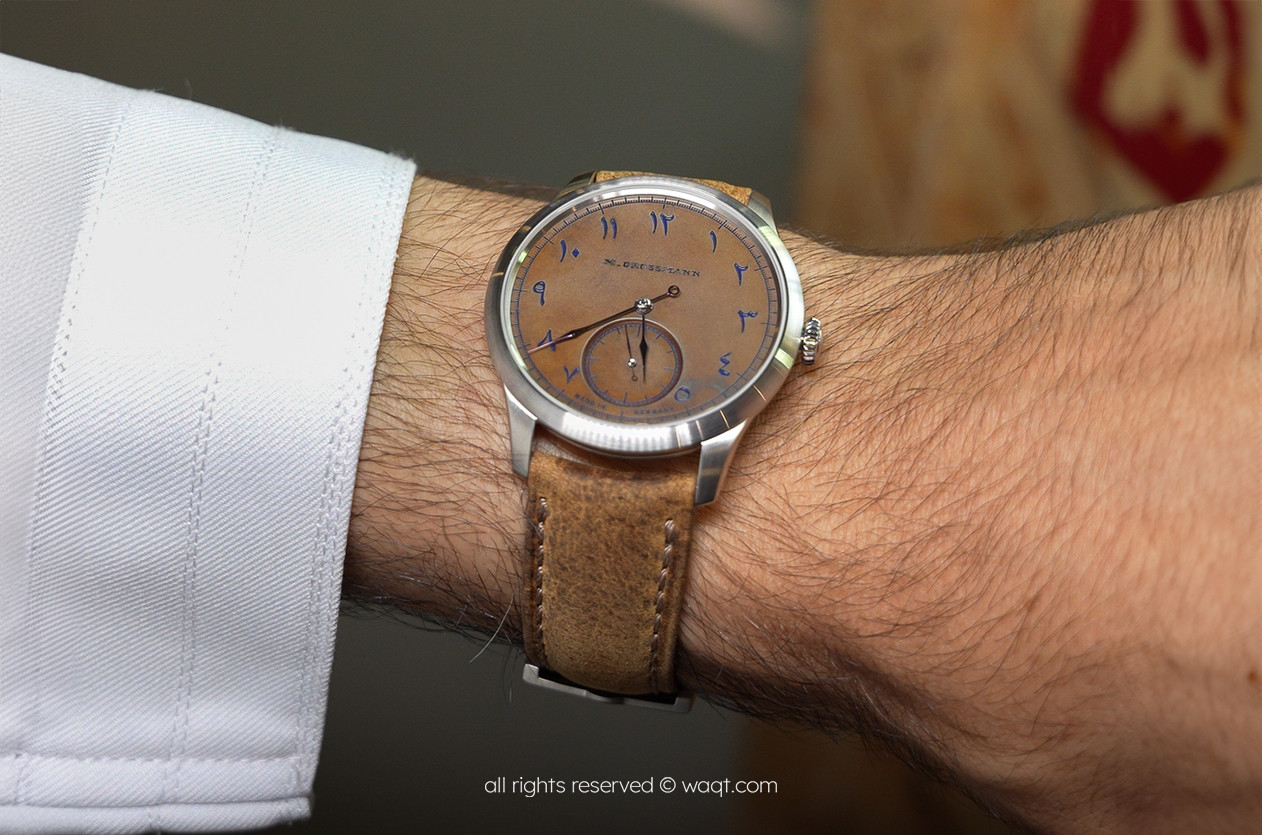
Introducing Moritz Grossmann Presents the TEFNUT Seddiqi 75 Anniversary Edition
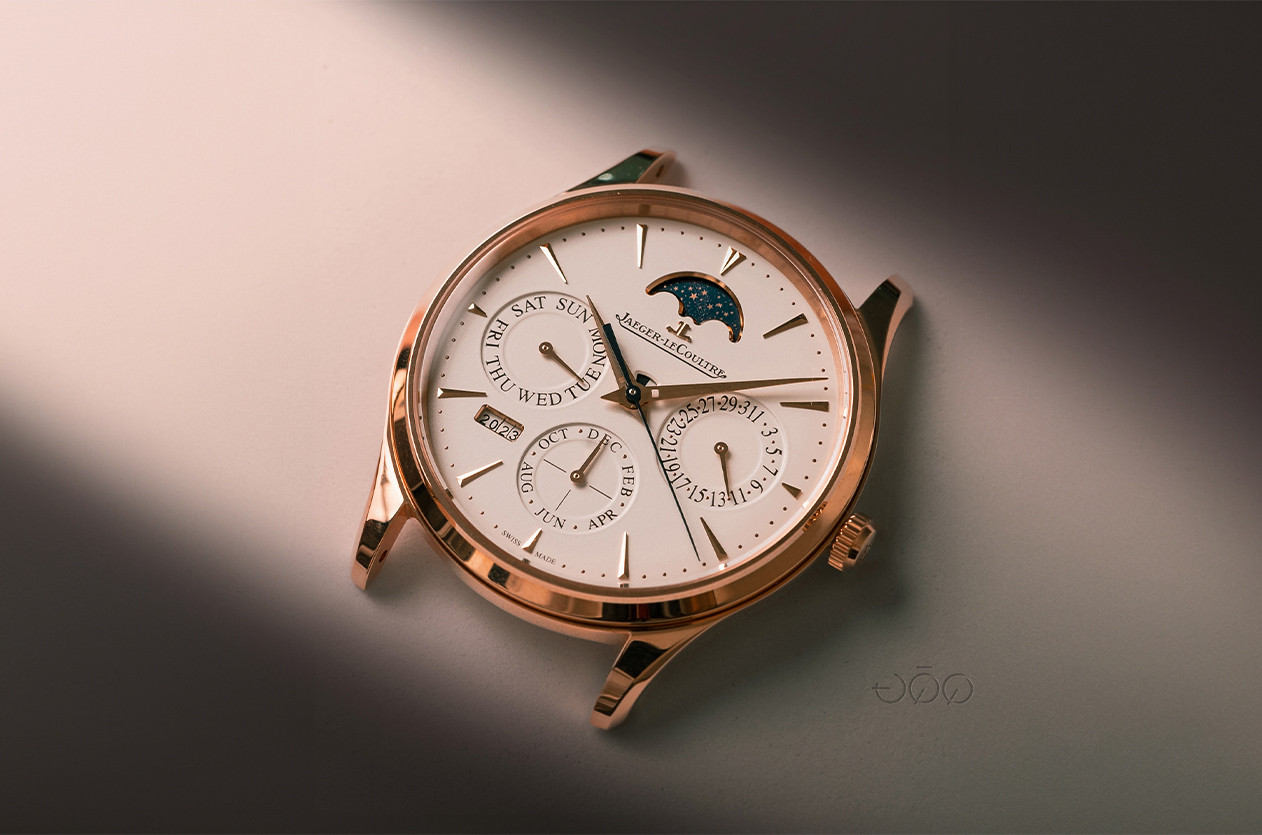
Editorial The Most Sought After Dial Finishing
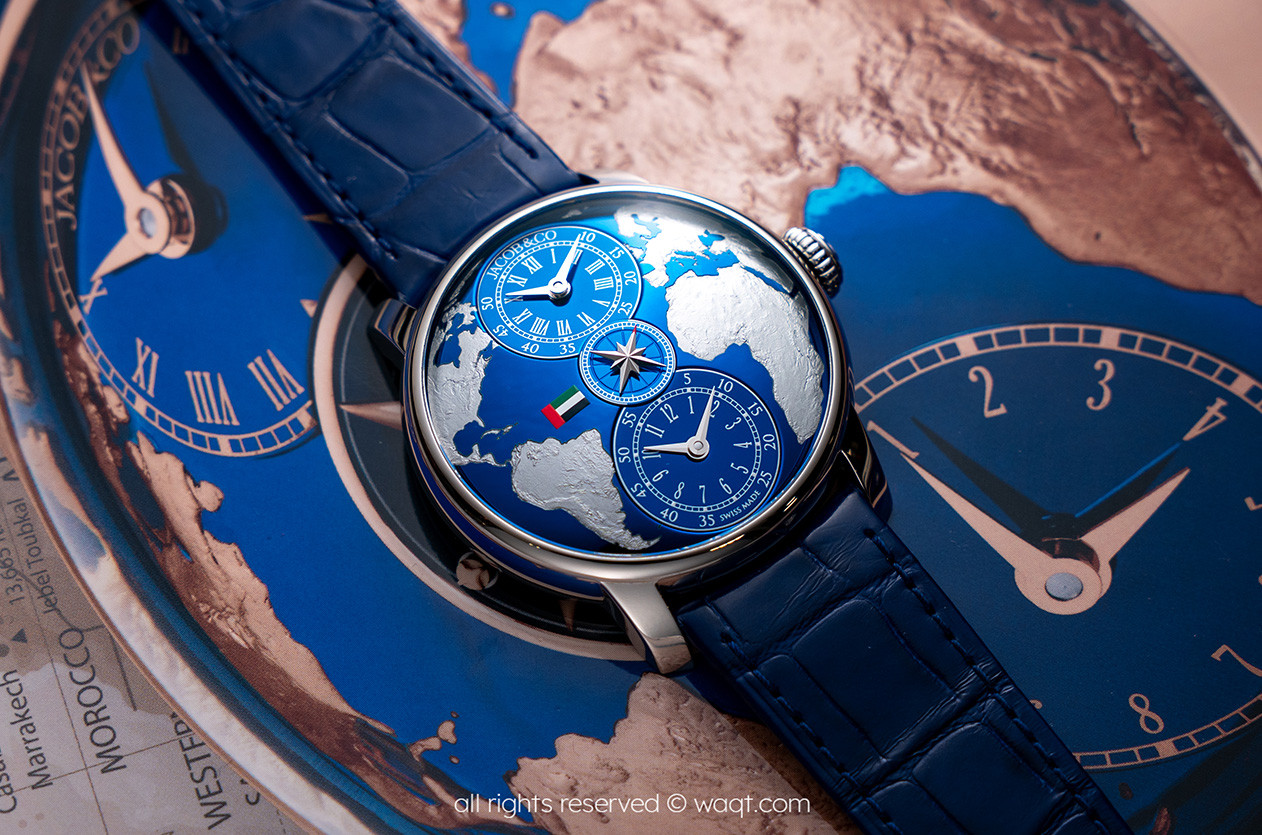
First Look A Special UAE Edition of “The World Is Yours Dual Time Zone”
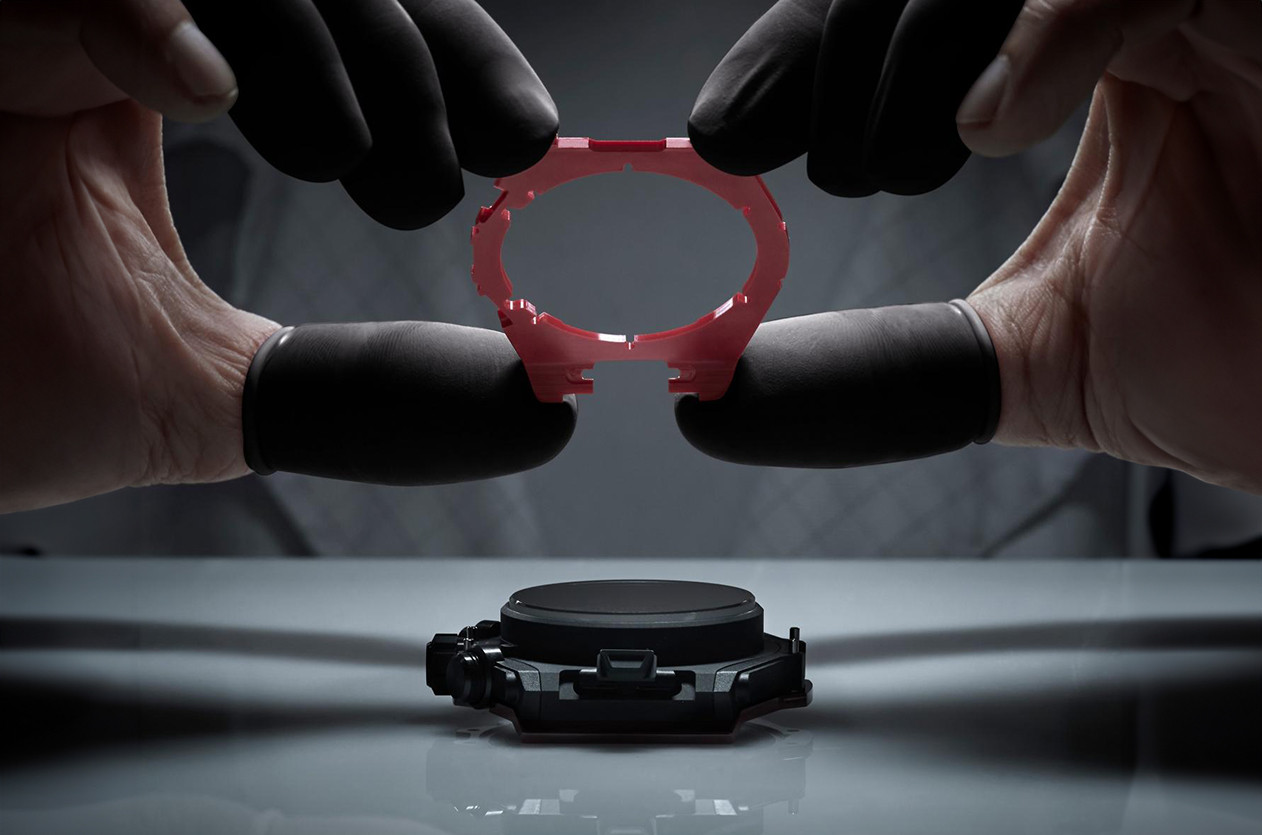
Editorial The Secrets of Watch Case Design

Editorial The Titanium Watch Revolution
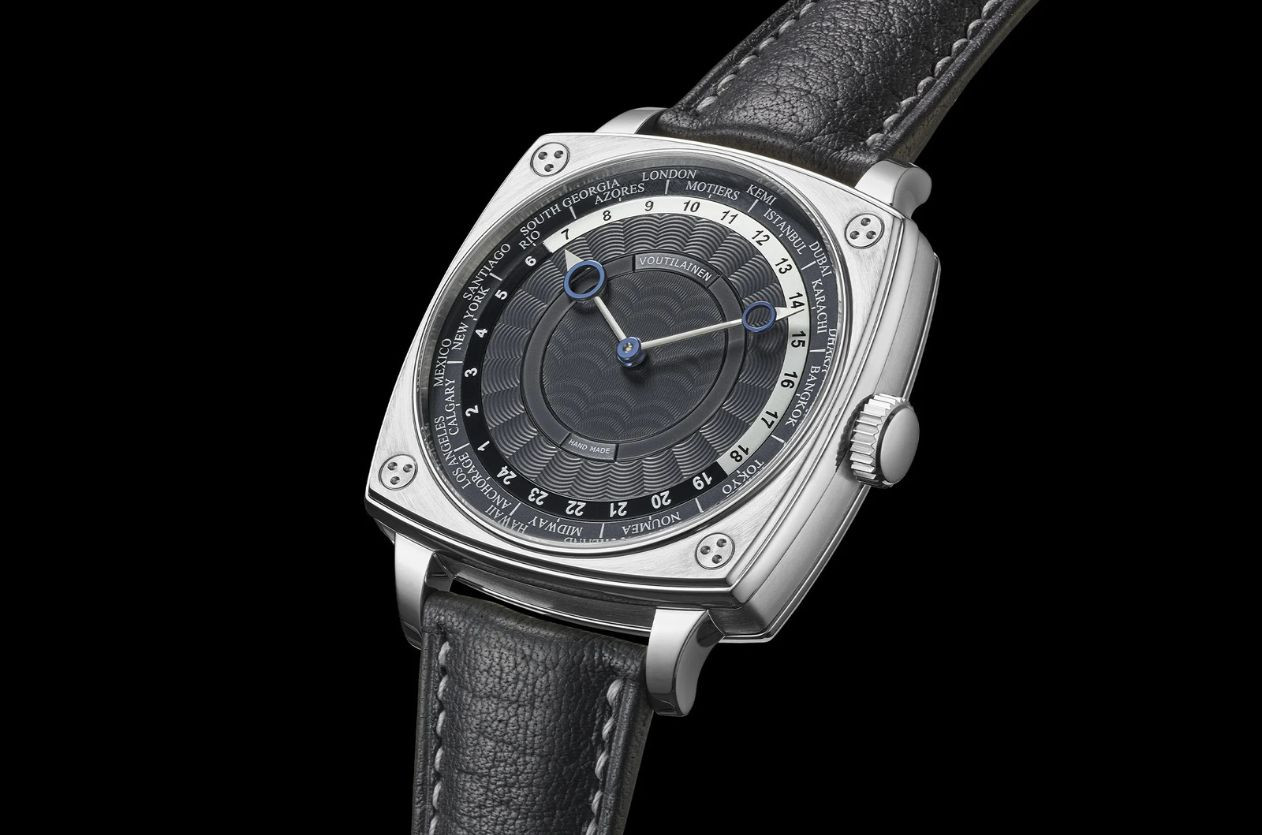
Introducing The Voutilainen CSW or Cushion Shape Worldtime: A Sculpture in Time

Editorial Is Carbon Fiber the Key to Richard Mille and Horacio Pagani’s Success?
Comment Delete Text
This page is available in English only. Please click below to visit Arabic Home page!