Introducing Ferdinand Berthoud Unveils the Mesure du Temps 1787 Chronomètre FB 2TV
Welcome to the hub of the horoloy
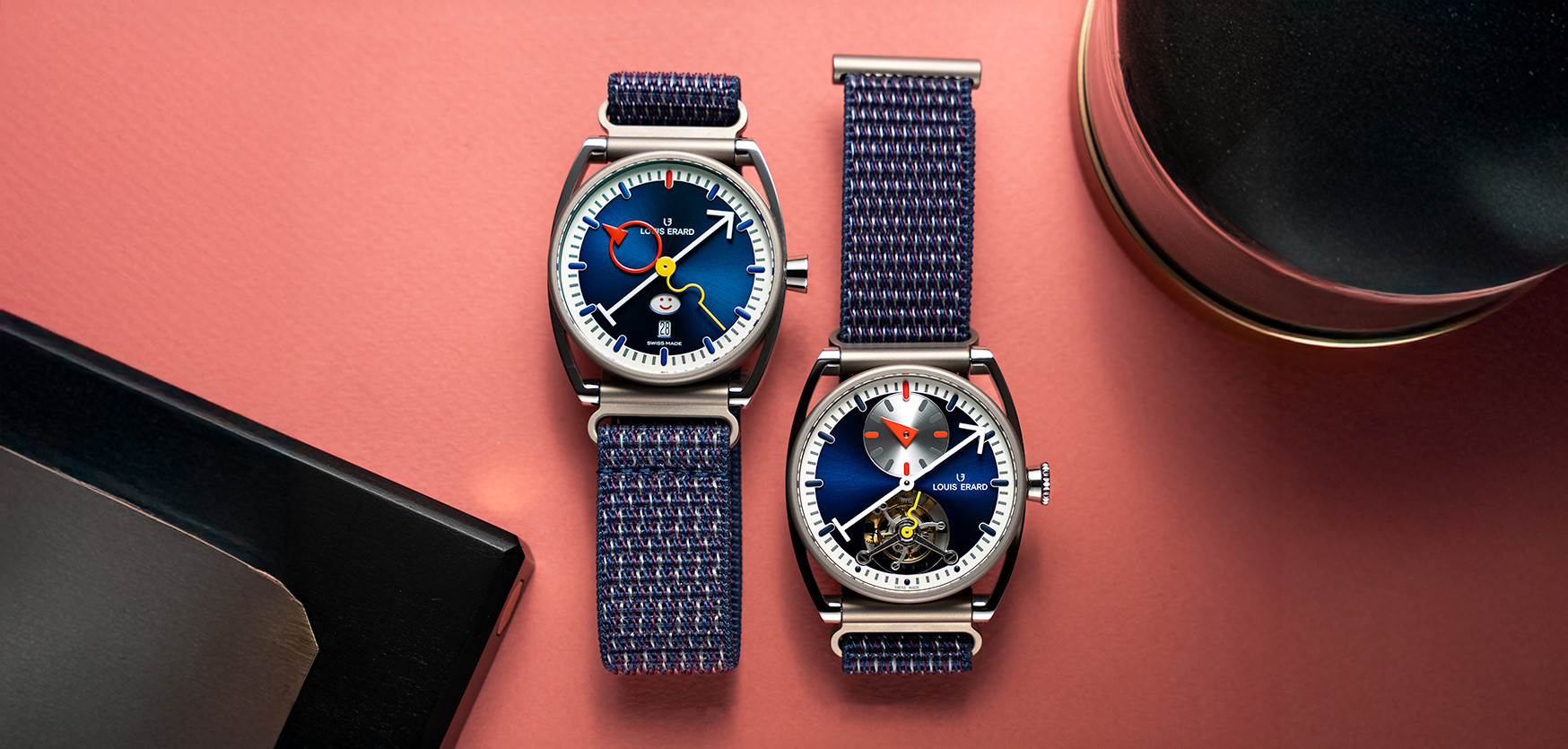
Louis Erard has spent recent years defining a very specific place for itself within contemporary Swiss watchmaking. Its strength lies in clarity of design and advanced mechanics. That balance has become central to Louis Erard’s identity.
That design awareness is especially visible in the brand’s collaborative work, where Louis Erard has shown a rare ability to absorb the language of an outside creative without losing its own. One of its most notable collaborations is with French designer Alain Silberstein, who has, over the years, developed a visual vocabulary that is instantly recognisable, one in which hands, markers, and displays become a composition of shapes as much as instruments of timekeeping.
An openworked mechanical masterpiece inaugurating an entirely new collection for the maison
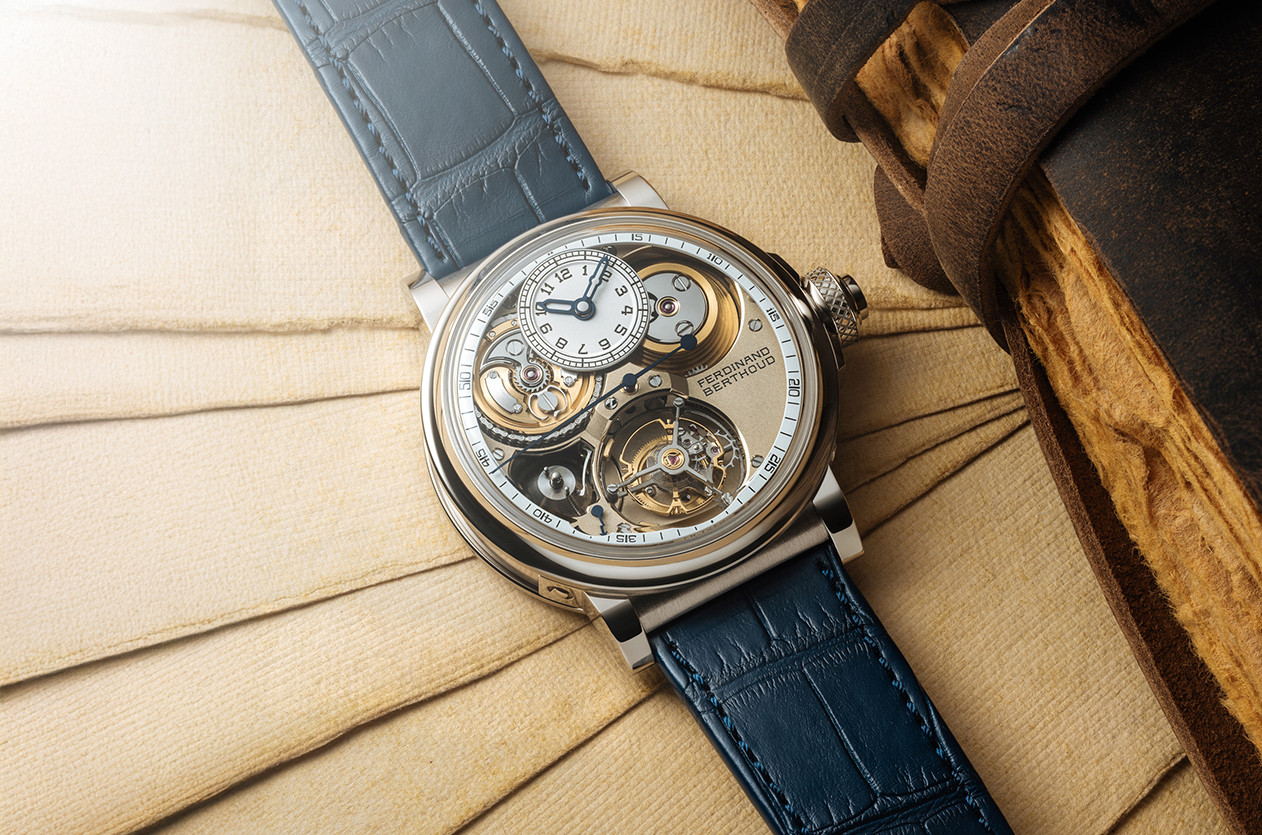
The “Mesure du Temps 1787” collection heralds the beginning of a new decade at Chronométrie Ferdinand Berthoud, paying tribute to the master watchmaker’s written legacy. It continues the architectural evolution initiated in 2025 with the Naissance d’une Montre 3 project. The name “Mesure du Temps 1787” is derived from the title of Ferdinand Berthoud’s reference work published in 1787.
 Divided into several chapters, the collection is distinguished by a unique approach: an entirely new construction that showcases the choreography of its complex kinematics within an openworked structure fully visible from the dial side.
Chapter 1 of the “Mesure du Temps 1787” collection introduces the first model to feature this innovative architecture: the Chronomètre FB 2TV. Its movement succeeds the original Calibre FB-T.FC unveiled in 2015. Inspired by its emblematic constant-force regulating system combining a fusee-and-chain mechanism with a tourbillon, the new calibre has been entirely redeveloped and enhanced with two additional complications.
 Inspired by the marine chronometers created by Ferdinand Berthoud, the first FB-T.FC (Tourbillon à Force Constante) calibre featured a distinctive pillar-type construction in which all components were fixed and suspended from the mainplate without intermediate bridges. This exceptional movement incorporated a tourbillon regulator with central seconds, a suspended fusee-and-chain transmission, and a mobile power-reserve cone, all protected by four patents.
That first milestone now gives way to a new chapter: “Mesure du Temps 1787”, an original collection that reveals its entire mechanical complexity on the dial side.
 Measuring 44 mm in diameter and 15.46 mm in thickness, the round case of the Chronomètre FB 2TV echoes the silhouette of the Remontoir d’Égalité FB 2RE introduced in 2020. It is enhanced by a curved bezel fitted with a domed, glare-proofed sapphire crystal. This construction allows the interior space to fully accommodate the movement while keeping the reset and time-setting mechanisms visible on the back.
 At 12 o’clock, an off-centred hours and minutes subdial secured by pillars recalls the aesthetic of the original Chronomètre FB 1. The white varnished dial base, engraved black-varnished minute track, and faceted, hollowed, diamond-polished hands in blue CVD-coated 18-carat gold ensure optimal legibility.
Encircling the display, a slim white lacquered inner bezel ring, likewise secured by four pillars, enables the reading of the central seconds via a 25.80 mm-long filament hand. Monobloc and crafted from sandblasted titanium treated with blue CVD, it is mounted at the centre of a three-dimensional bridge that is bevelled, engraved, and finely sandblasted by hand.
 At 7:30, the power reserve is indicated via the stylised arm of a suspended mobile cone. A blue CVD-treated bronze alloy hand moves across a short engraved, black-varnished segment positioned on the central bridge.
The timepiece is housed in an 18-carat white gold case paired with a hand-sanded natural nickel silver movement (Reference FB 2TV.1), a nod to the Chronomètre FB 1.1, which won the “Aiguille d’Or” at the 2016 Grand Prix d’Horlogerie de Genève.
 The new Calibre FB-TV.FC retains the same regulating principle as its predecessor, combining a tourbillon with a fusee-and-chain transmission, but this is where the similarities end. What follows is the result of six years of intensive research and development.
The primary objective of Calibre FB-TV.FC has been achieved: rendering nearly the entire mechanism visible from the dial side. This approach also highlights Chronométrie Ferdinand Berthoud’s decorative expertise. The movement comprises 1,240 components, including 777 elements for the chain alone, requiring nearly 300 hours of manual finishing in accordance with the most stringent standards.

The tourbillon is now of the flying variety, meaning it operates without an upper bridge. It is supported solely by an intermediate bridge to which the fixed seconds wheel and cage carrier are attached, with jewels ensuring the precise guidance of the mechanism. Measuring an impressive 15 mm in diameter, it is both technically and visually striking.
Innovation extends further with two new mechanisms developed in pursuit of chronometric precision. The first is a stop-seconds (balance-stop) system designed to immobilise the flying tourbillon carriage and halt the entire movement, enabling precise time-setting.
 The second innovation is even more remarkable: a flyback-type zero-reset function for the central seconds hand. Initially conceived to operate only when the movement was stopped, Chronométrie Ferdinand Berthoud refined the mechanism to allow resetting while the watch is running.
Traditionally, the term “flyback” refers to a chronograph function enabling stop, reset, and restart via a single push. However, the comparison ends there. Integrating such a function into a flying tourbillon combined with a fusee-and-chain transmission represents extraordinary mechanical complexity.
The seconds hand must return to zero instantaneously and without perceptible vibration. A specially developed titanium filament hand absorbs the energy of the reset action, while a uniquely shaped cam — more commonly associated with perpetual calendars — prevents the vibrations typical of conventional flyback chronographs.
The flyback-type reset is activated via a coaxial pusher integrated into the dynamometric winding crown at 3 o’clock.
 Further optimisations have been made to the fusee-and-chain transmission, barrel, and mobile power-reserve cone. These refinements deliver three tangible benefits:
 Among the updates is a newly designed finishing gear train positioned on the reverse side of the movement. A spectacular 28 mm-diameter gear wheel links the components at 3 and 12 o’clock, connecting the offset hours and minutes display with the crown. These advancements are the result of six years of sustained research and development.
 The watch is fitted with a hand-sewn, rolled-edge alligator strap (colours and sizes available upon request) and secured by an 18-carat white gold double-blade folding clasp with adjustable length. A pin buckle is available upon request.
The Chronomètre FB 2TV is not a limited edition; production is determined solely by the manufacture’s capacity, estimated at 10 to 12 pieces per year.
The Technical specifications: Ferdinand Berthoud Mesure du Temps 1787 Chronomètre FB 2TV priced at EUR 383,000 (approximately AED 1,618,000).
For more information, visit the official website of Ferdinand Berthoud.
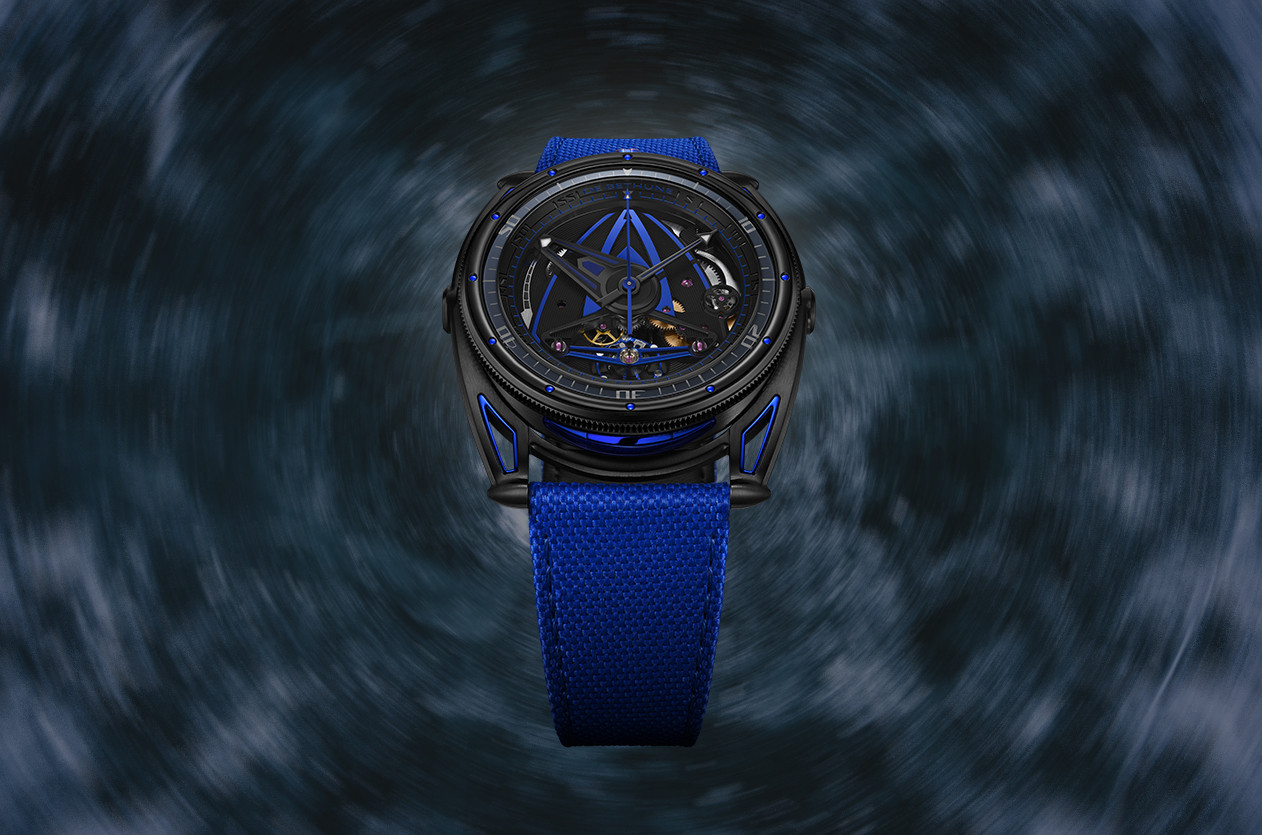
Introducing DB28GS Swordfish: The Luxury Dive Watch from De Bethune
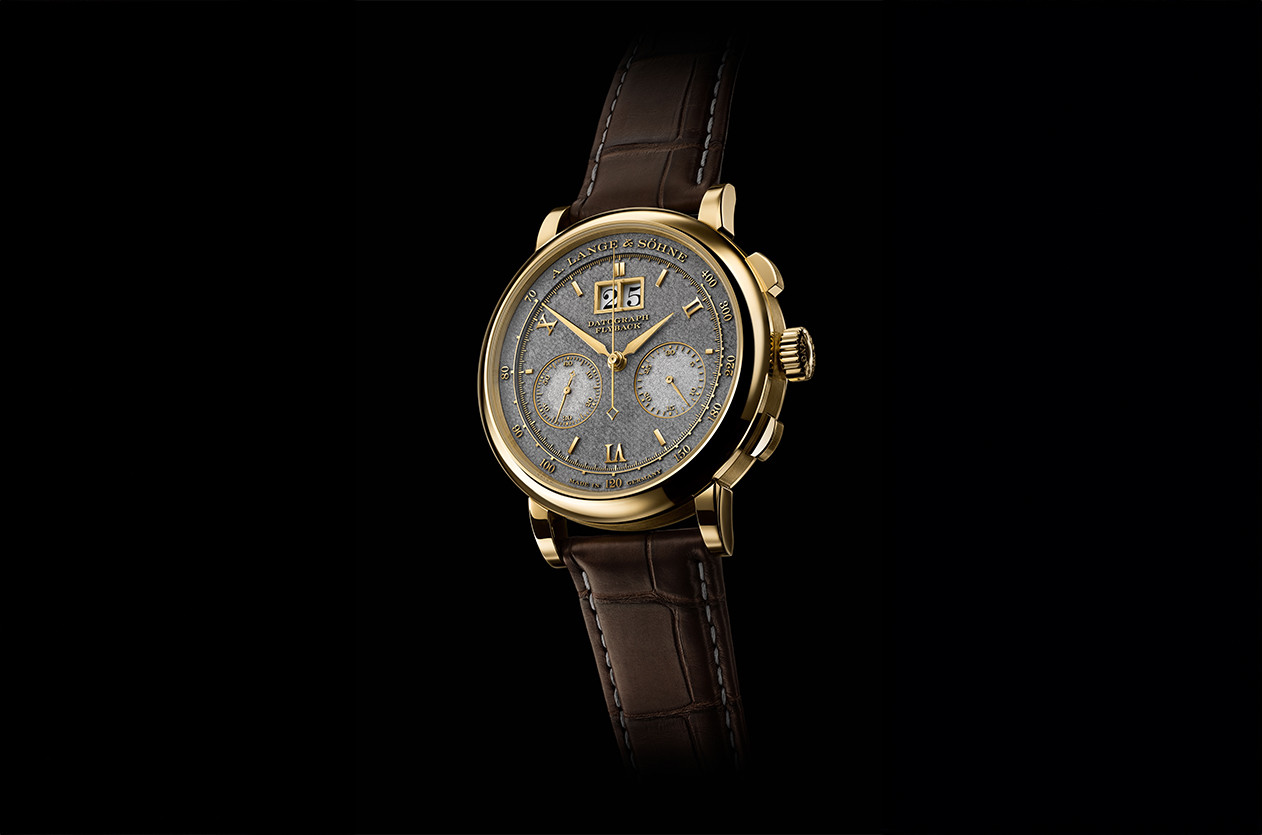
Introducing A. Lange & Söhne Continues Celebrating the 25th Anniversary of the Datograph
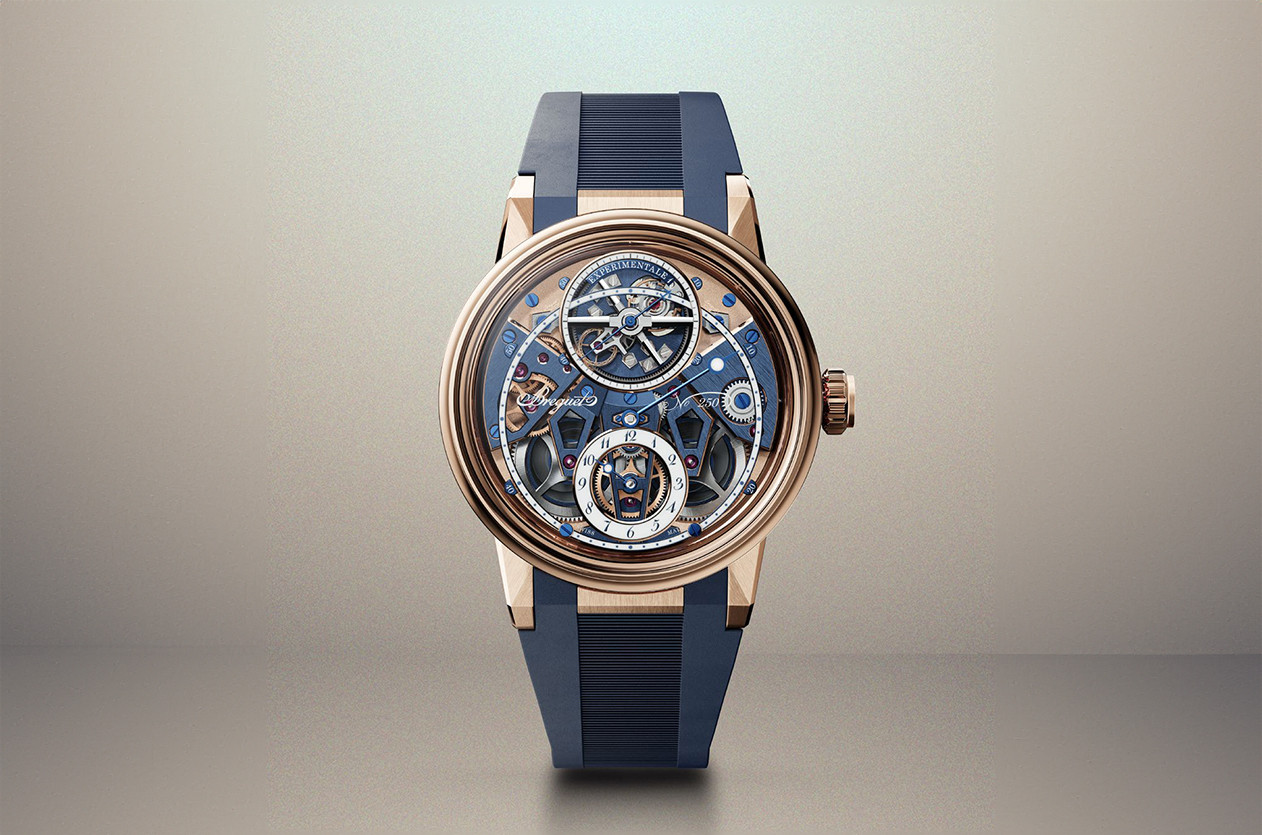
Introducing Breguet Unveils Its Final 250th-Anniversary Timepiece: Expérimentale 1
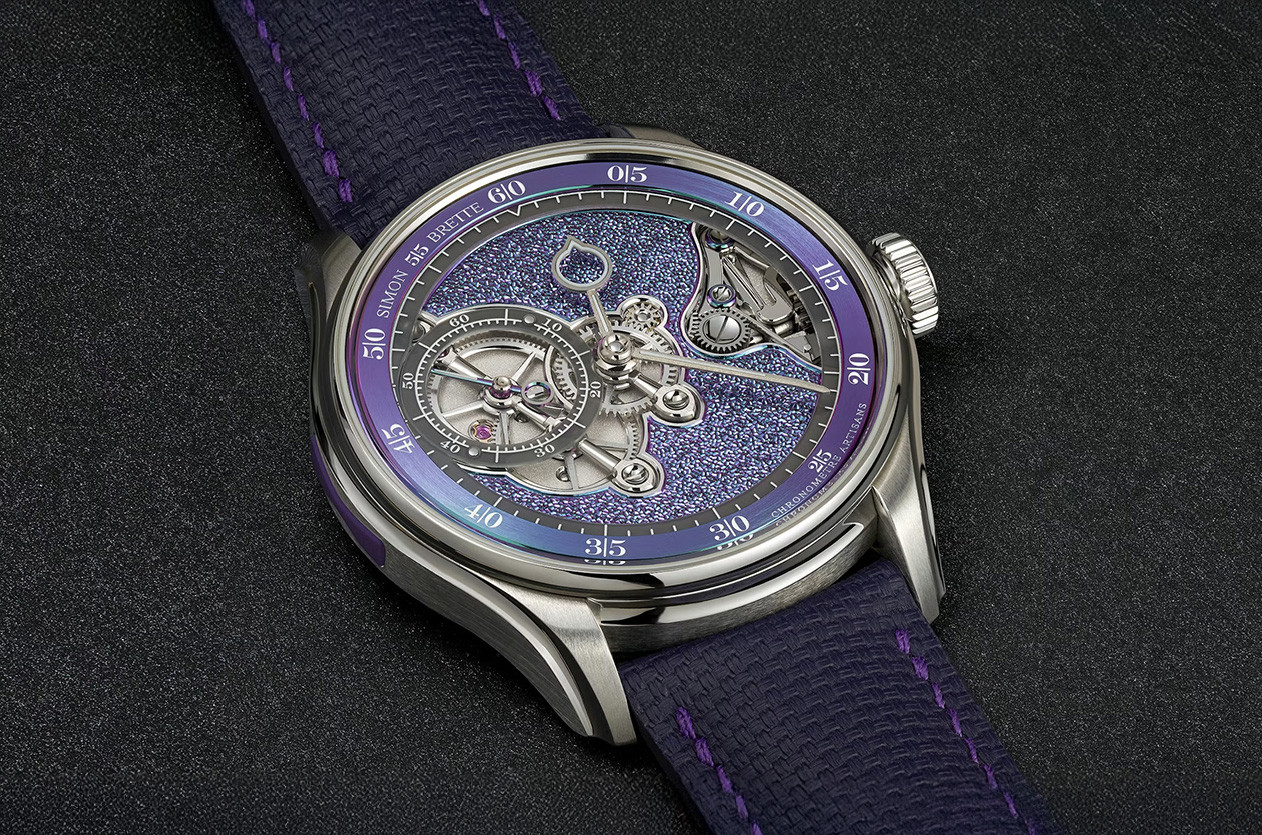
Introducing Simon Brette Unveils the Chronomètre Artisans in Stainless Steel
Hands on The New Vacheron Constantin Patrimony Collection
Introducing Moritz Grossmann Presents the TEFNUT Seddiqi 75 Anniversary Edition
Editorial The Most Sought After Dial Finishing
First Look A Special UAE Edition of “The World Is Yours Dual Time Zone”
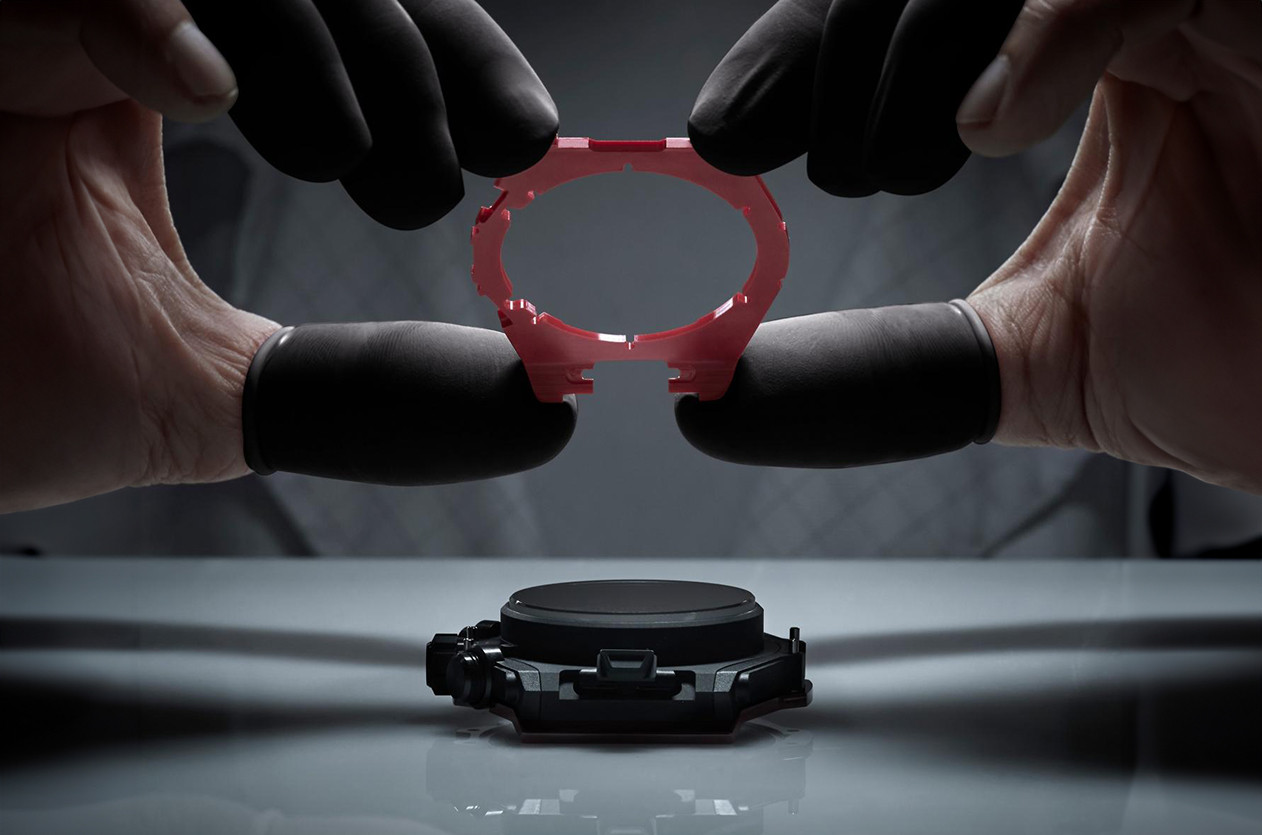
Editorial The Secrets of Watch Case Design

Editorial The Titanium Watch Revolution

Introducing The Voutilainen CSW or Cushion Shape Worldtime: A Sculpture in Time

Editorial Is Carbon Fiber the Key to Richard Mille and Horacio Pagani’s Success?
Comment Delete Text
This page is available in English only. Please click below to visit Arabic Home page!