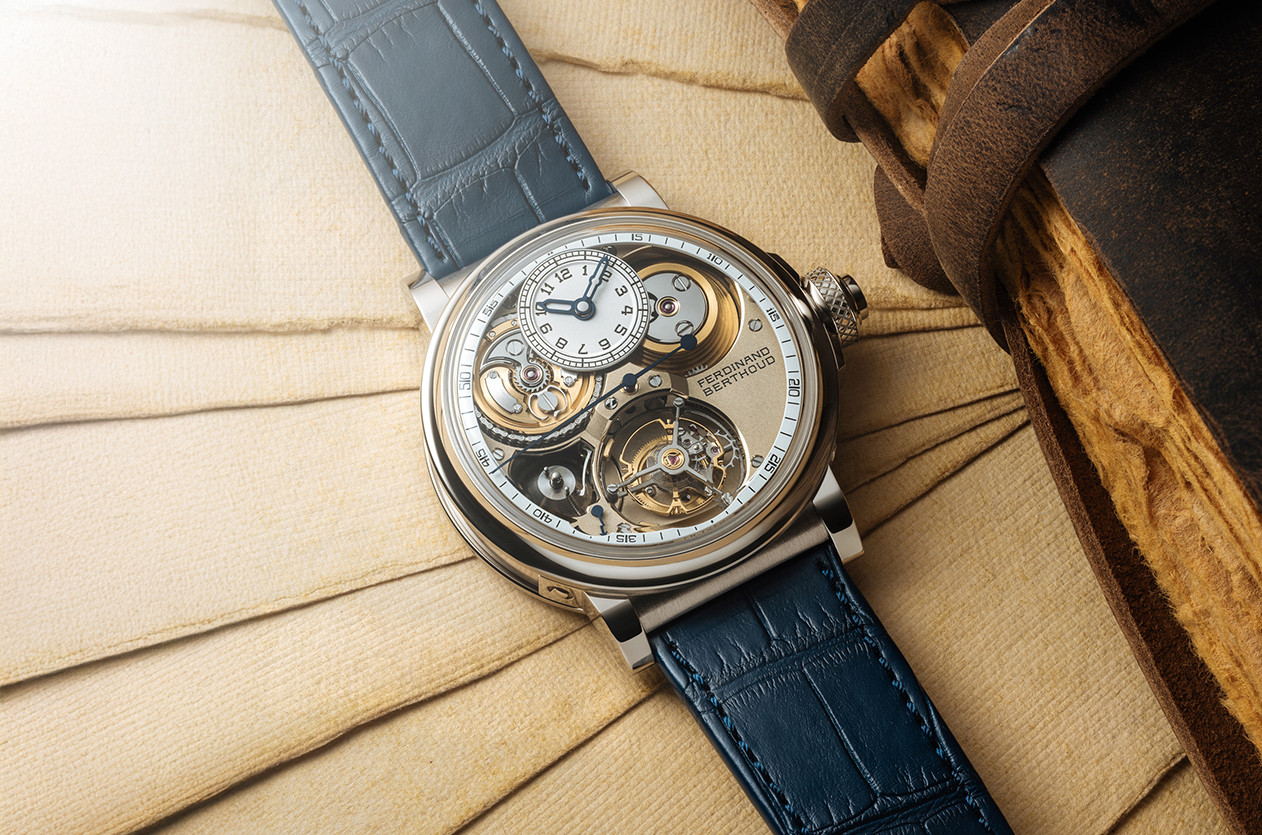
Introducing Ferdinand Berthoud Unveils the Mesure du Temps 1787 Chronomètre FB 2TV
Welcome to the hub of the horoloy
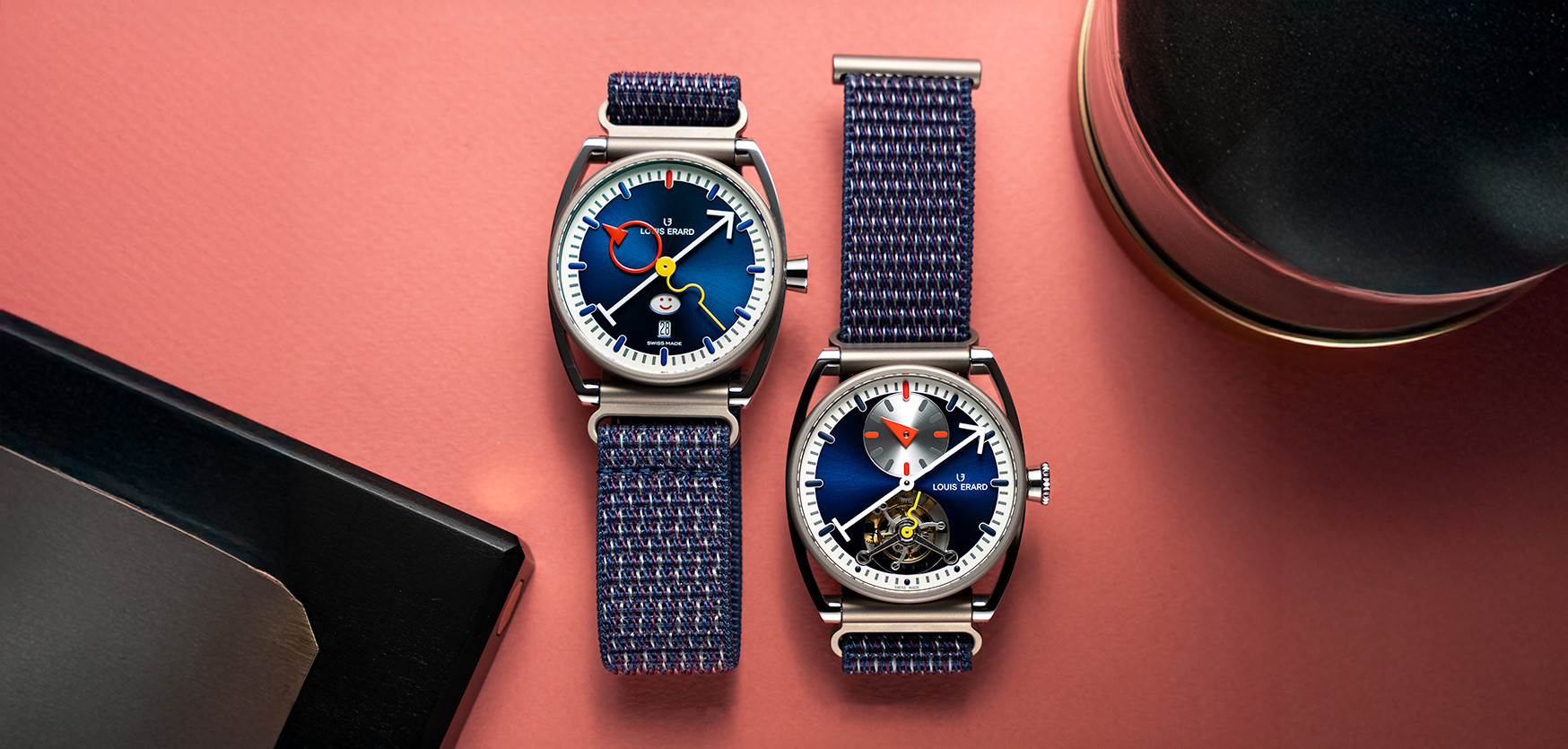
Louis Erard has spent recent years defining a very specific place for itself within contemporary Swiss watchmaking. Its strength lies in clarity of design and advanced mechanics. That balance has become central to Louis Erard’s identity.
That design awareness is especially visible in the brand’s collaborative work, where Louis Erard has shown a rare ability to absorb the language of an outside creative without losing its own. One of its most notable collaborations is with French designer Alain Silberstein, who has, over the years, developed a visual vocabulary that is instantly recognisable, one in which hands, markers, and displays become a composition of shapes as much as instruments of timekeeping.
The story of two legendary brands in watches and supercars, and what unites them
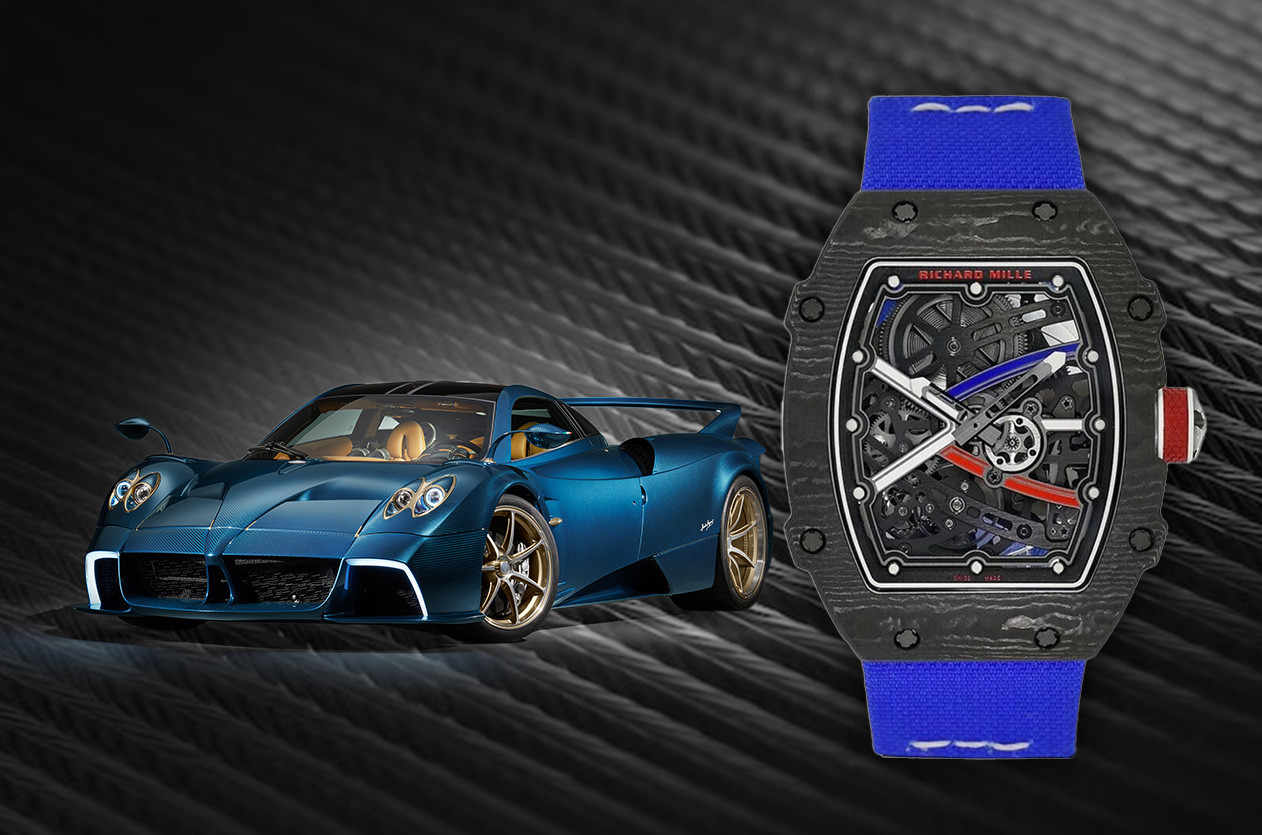
Carbon fiber has become a defining material in advanced mechanical industries, luxury watches, and high-end automobiles. Yet this material is most strongly associated with two names: ask any watch enthusiast about carbon fiber, and they will immediately mention Richard Mille, ask any supercar fan, and the answer will almost certainly be Pagani. Both brands have embraced this ultra-light, high-performance material to create some of the most iconic machines in fiercely competitive fields.
 Before examining their impact, it is important to clarify one point: neither Pagani in the automotive world nor Richard Mille in haute horlogerie was the first to use carbon fiber. However, both pushed the material to extraordinary levels, redefining its technical and aesthetic potential.
IWC Schaffhausen was an early adopter of carbon composites in the 1980s, and the same applies to automotive racing. Pagani was not the first to use carbon fiber in cars; in 1981, the McLaren MP4/1 became the first Formula 1 car with a full carbon-fiber monocoque, followed by road-car adoption such as the Ferrari F40 in 1987.
 The rise of Richard Mille and Pagani, along with the hype surrounding them, accelerated in the early 2000s, coinciding with growing fascination with carbon composites. Richard Mille was ranked sixth among the largest watch brands according to the latest Morgan Stanley report, surpassing many long-established names. Meanwhile, Pagani’s cars are now among the most sought-after in the hypercar segment, with resale prices reaching up to 26 times the original dealership price due to their rarity and high demand.
 This raises an intriguing question: did these brands make carbon fiber famous, or did carbon fiber help make these brands famous?
The history of carbon fiber and carbon-fiber-reinforced polymers (CFRPs) can be divided into four main periods: early development (1950s–60s), industrial growth (1970s–80s), major adoption, the first wave (1990s–early 2000s), and expanded use, the second wave (2010s to present).
 To understand its appeal, one must first understand the material itself. Carbon-fiber-reinforced polymer composites are highly engineered materials offering exceptional specific strength and stiffness. They are ideal for applications requiring high rigidity, low weight, and superior fatigue resistance. Depending on the fiber type, carbon fiber can provide up to ten times the specific strength of steel or aluminum. For over fifty years, CFRPs have been used in aerospace, automotive, rail transport, marine engineering, and wind energy.
 Carbon fiber traces its origins back to the 1860s, when Joseph Swan carbonized natural fibers while developing early light bulb filaments. In the 1950s, U.S. researchers produced the first modern carbon fibers from rayon, although their performance was limited. A breakthrough came in 1958 when Roger Bacon developed high-strength graphite fibers. In the early 1960s, Akio Shindo developed polyacrylonitrile (PAN)-based carbon fiber, which remains the foundation of modern production. By the 1970s, the material was adopted in aerospace and defense, expanding in the 1980s and 1990s to sporting goods, automotive components, and industrial applications.
Since its founding in 2001, Richard Mille has produced watches derived from experimental research in high-tech materials, reinforcing the brand’s performance-driven philosophy. One of its early slogans, “a racing machine on the wrist,” perfectly encapsulated this vision.
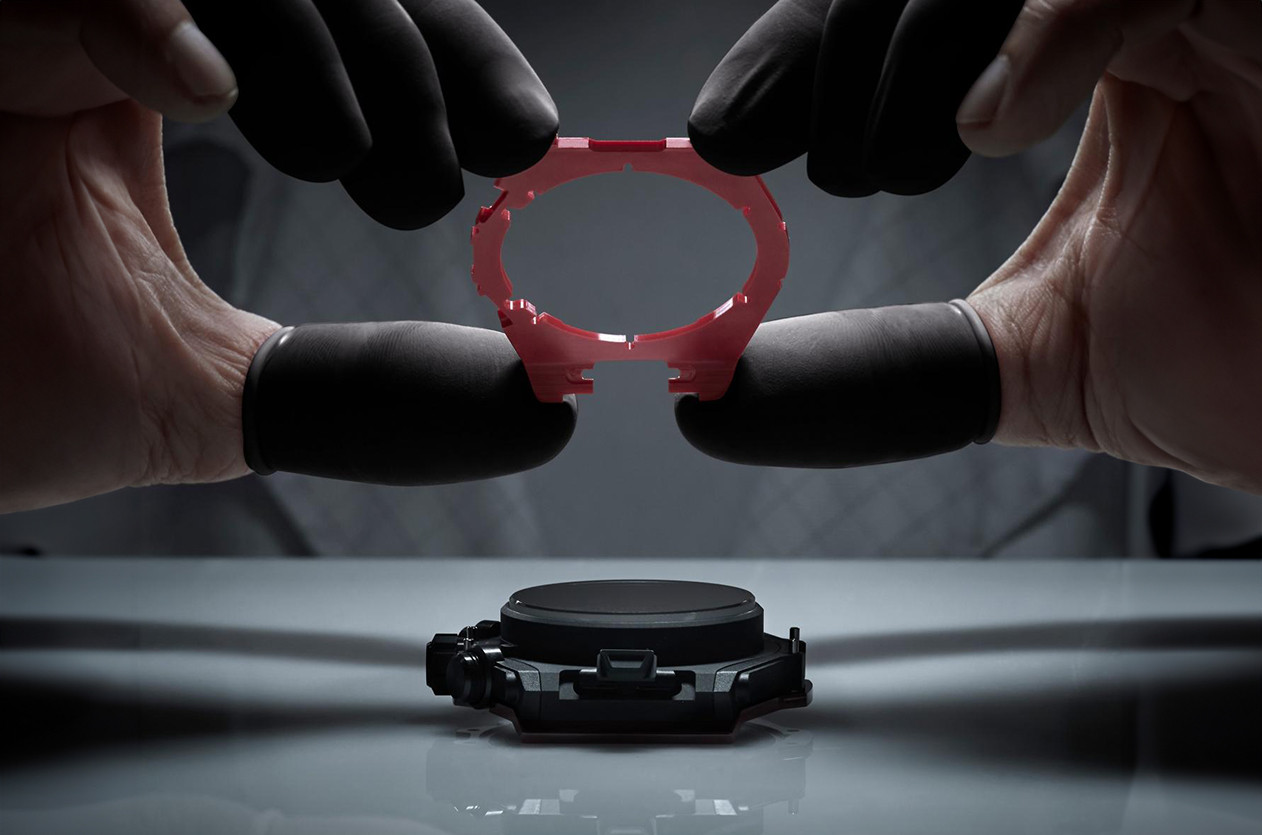
 The RM 006 marked a milestone as the first watch to feature a carbon-fiber baseplate. Carbon fiber had already revolutionized aviation and motorsport due to its strength, rigidity, and resistance to thermal deformation. Its deep black appearance also matched the brand’s aesthetic ambitions. However, manufacturing such a baseplate was extremely complex and costly due to the precision required in cutting and machining for watchmaking tolerances.
 Richard Mille went further by adopting NTPT® (North Thin Ply Technology), a proprietary composite made from hundreds of ultra-thin layers of carbon fiber bonded with resin. Unlike traditional woven carbon fiber, NTPT is machined perpendicular to the grain, revealing distinctive wave-like patterns while enhancing structural integrity. The brand was a pioneer in using this type of carbon for its cases, giving its watches their signature aesthetic.
 In Italy, Horacio Pagani was equally convinced that carbon fiber represented the future. When Lamborghini declined to invest in carbon composite technology, Pagani founded his own company to push material science beyond existing limits , a decision that continues to shape every Pagani hypercar today.
 The Zonda (1999) was an engineering masterpiece, extensively using carbon fiber in both the chassis and body panels. Subsequent models, such as the Huayra and Utopia, advanced this concept further with proprietary composites like Carbo-Titanium, combining carbon fiber with titanium strands for enhanced strength and rigidity.
In haute horlogerie, carbon fiber continues to evolve beyond purely sporty applications. Brands such as Roger Dubuis incorporate carbon composites into movement components, while others experiment with dials and decorative elements made of carbon, such as the Biver Automatic, transforming the material into an expression of contemporary elegance.
 Despite its appeal, carbon fiber remains difficult to manufacture and machine. Its production processes, layering techniques, and finishing methods are highly technical and beyond the scope of this article.
Ultimately, carbon fiber alone does not explain the success of Richard Mille or Pagani. Both brands invested heavily in research and innovation, developing proprietary composites such as NTPT® for Richard Mille and Carbo-Titanium for Pagani.
Their success stems from multiple factors: strategic partnerships, including collaborations with Audemars Piguet Renaud & Papi for Richard Mille and Mercedes-Benz for Pagani engines, an uncompromising commitment to exclusivity and finishing, and a profound cultural impact that extends far beyond engineering.
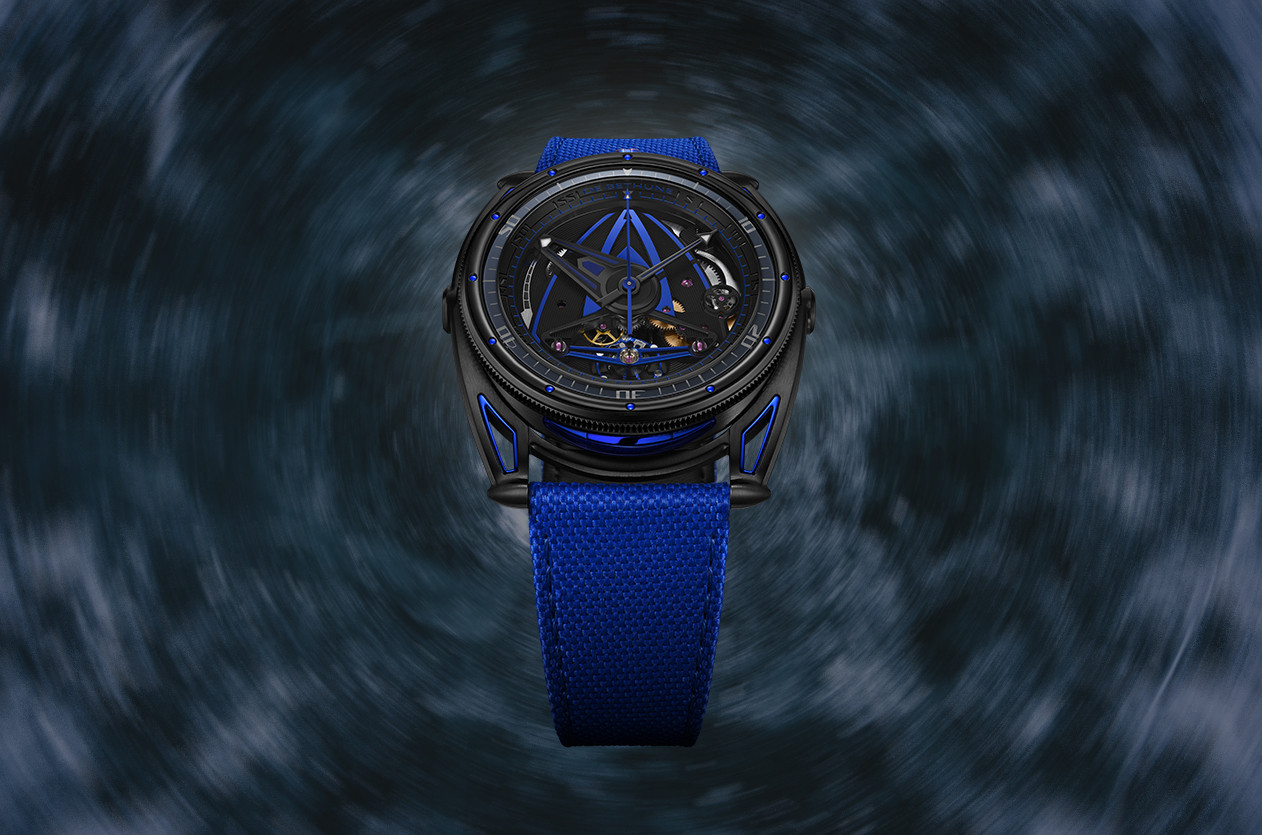
Introducing DB28GS Swordfish: The Luxury Dive Watch from De Bethune
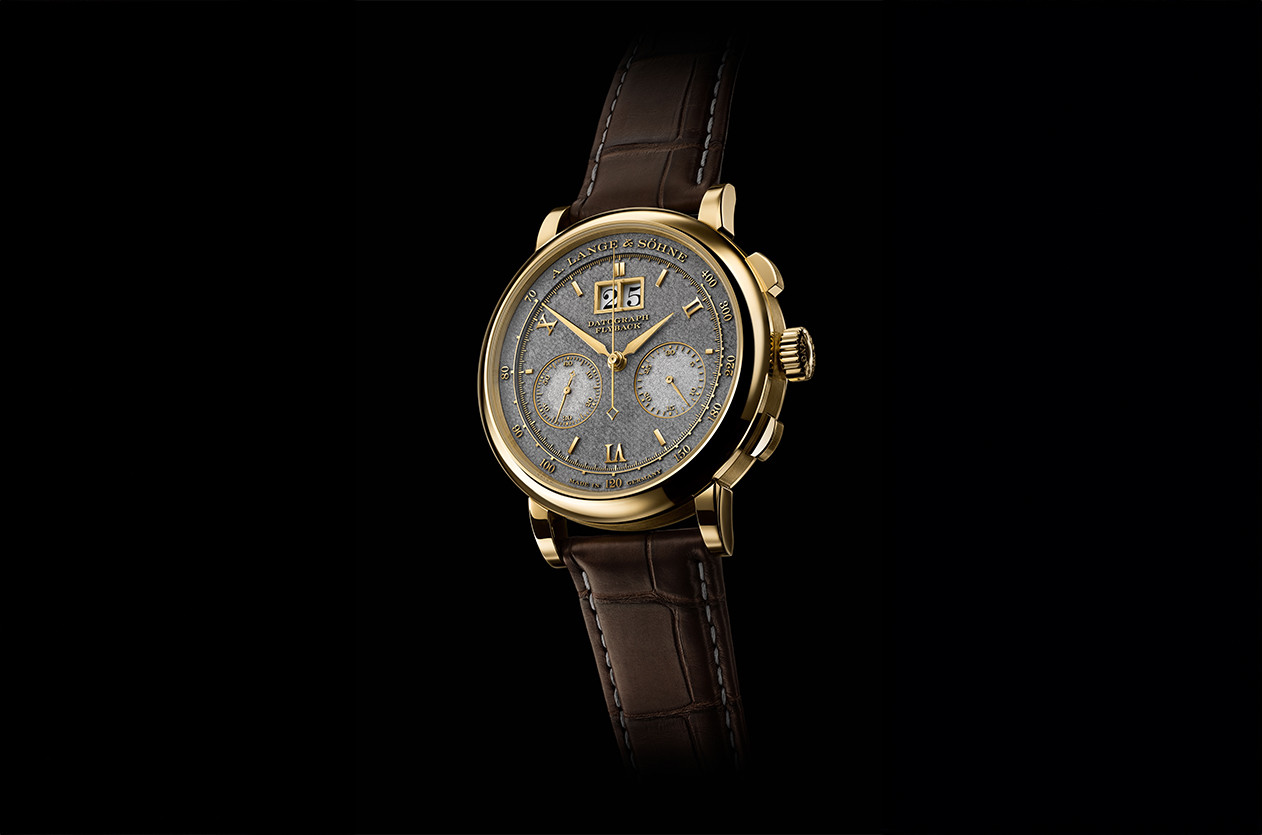
Introducing A. Lange & Söhne Continues Celebrating the 25th Anniversary of the Datograph
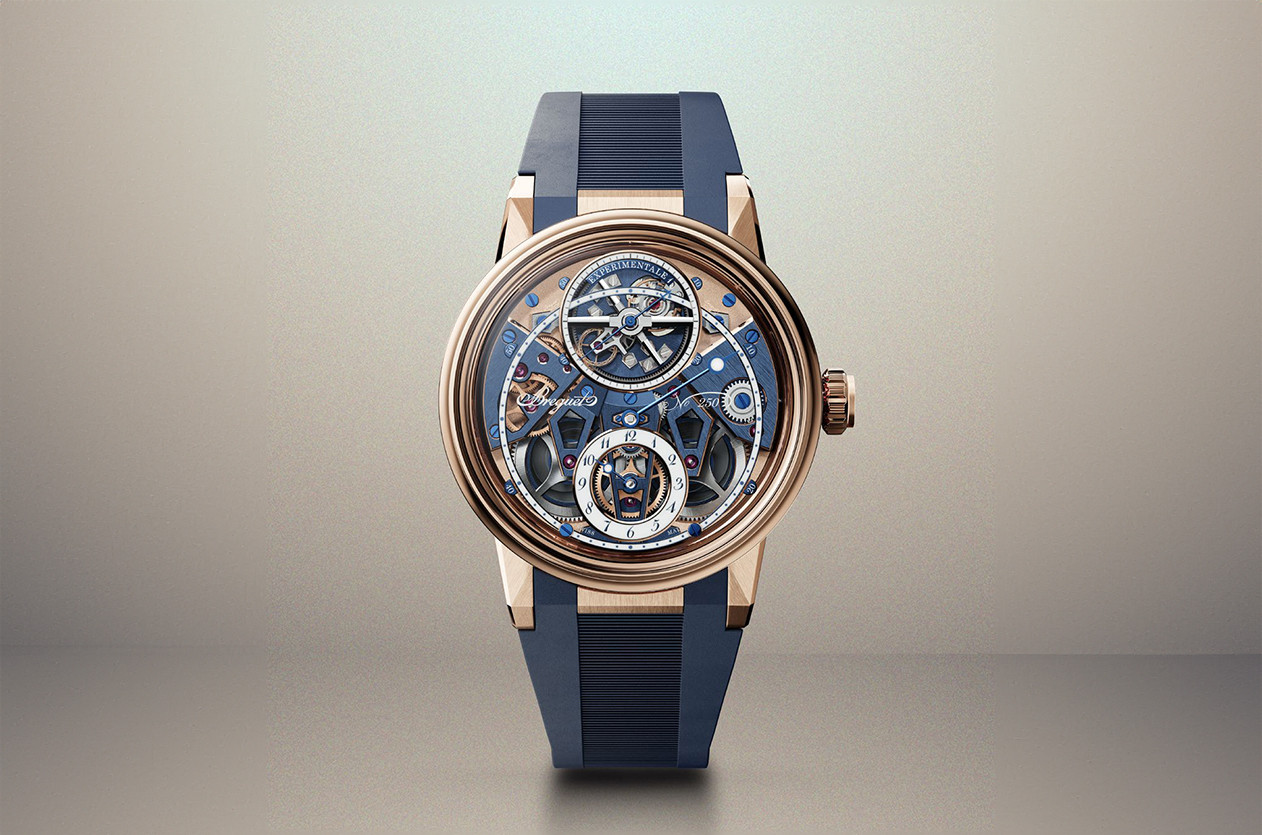
Introducing Breguet Unveils Its Final 250th-Anniversary Timepiece: Expérimentale 1
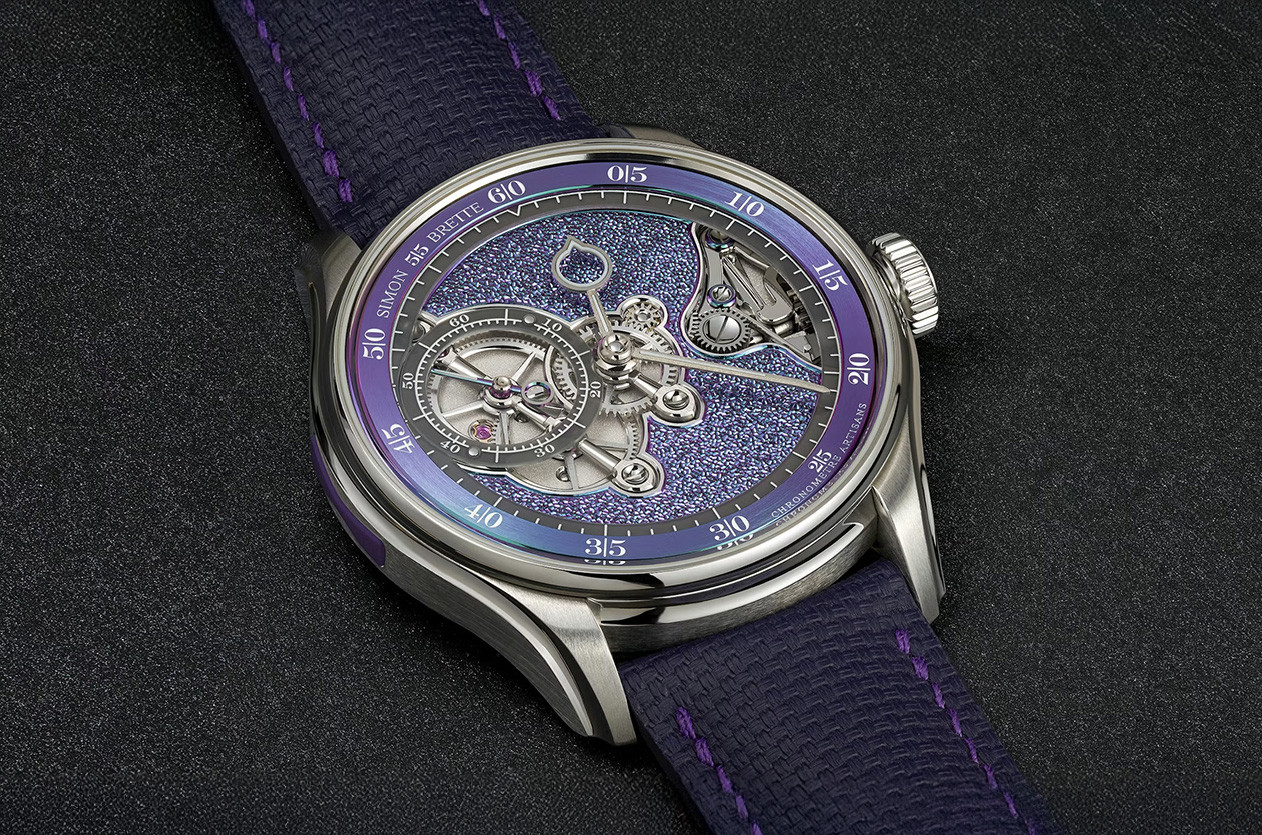
Introducing Simon Brette Unveils the Chronomètre Artisans in Stainless Steel
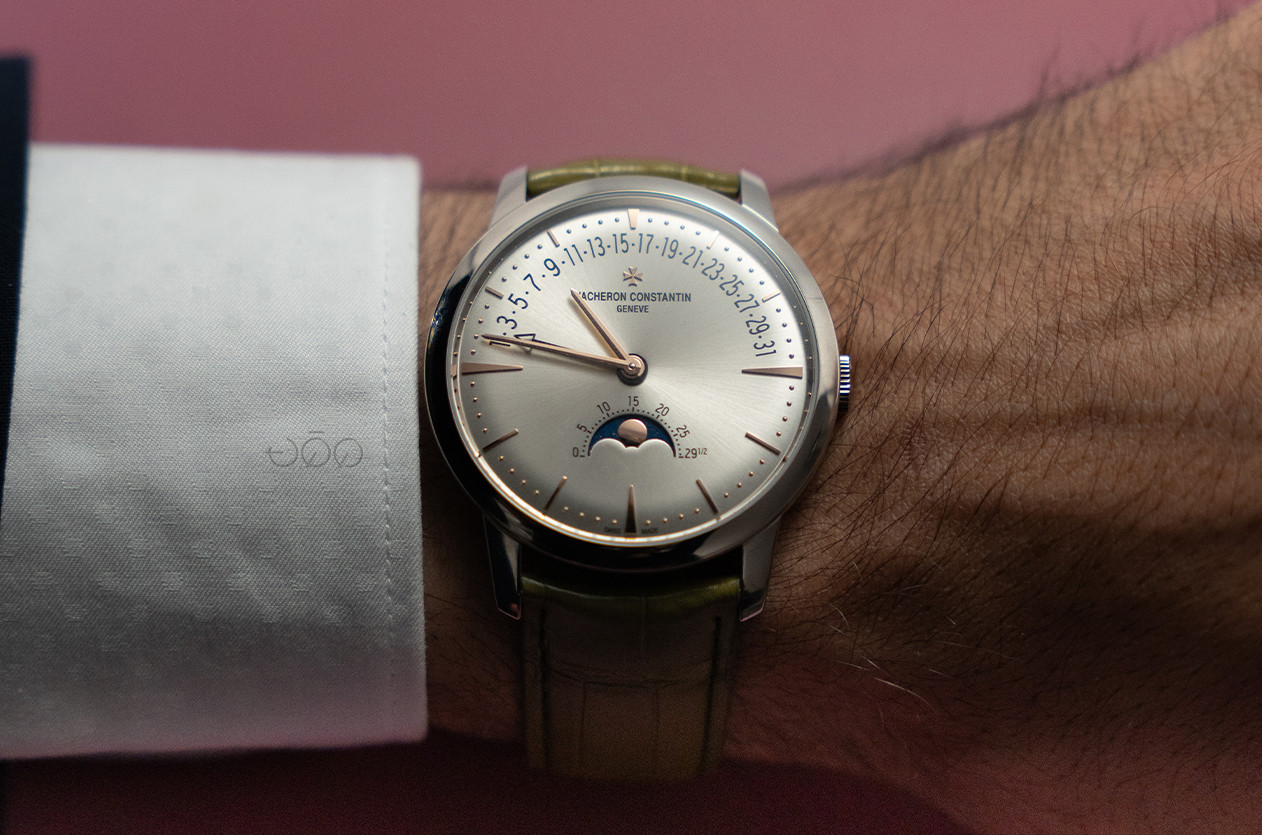
Hands on The New Vacheron Constantin Patrimony Collection
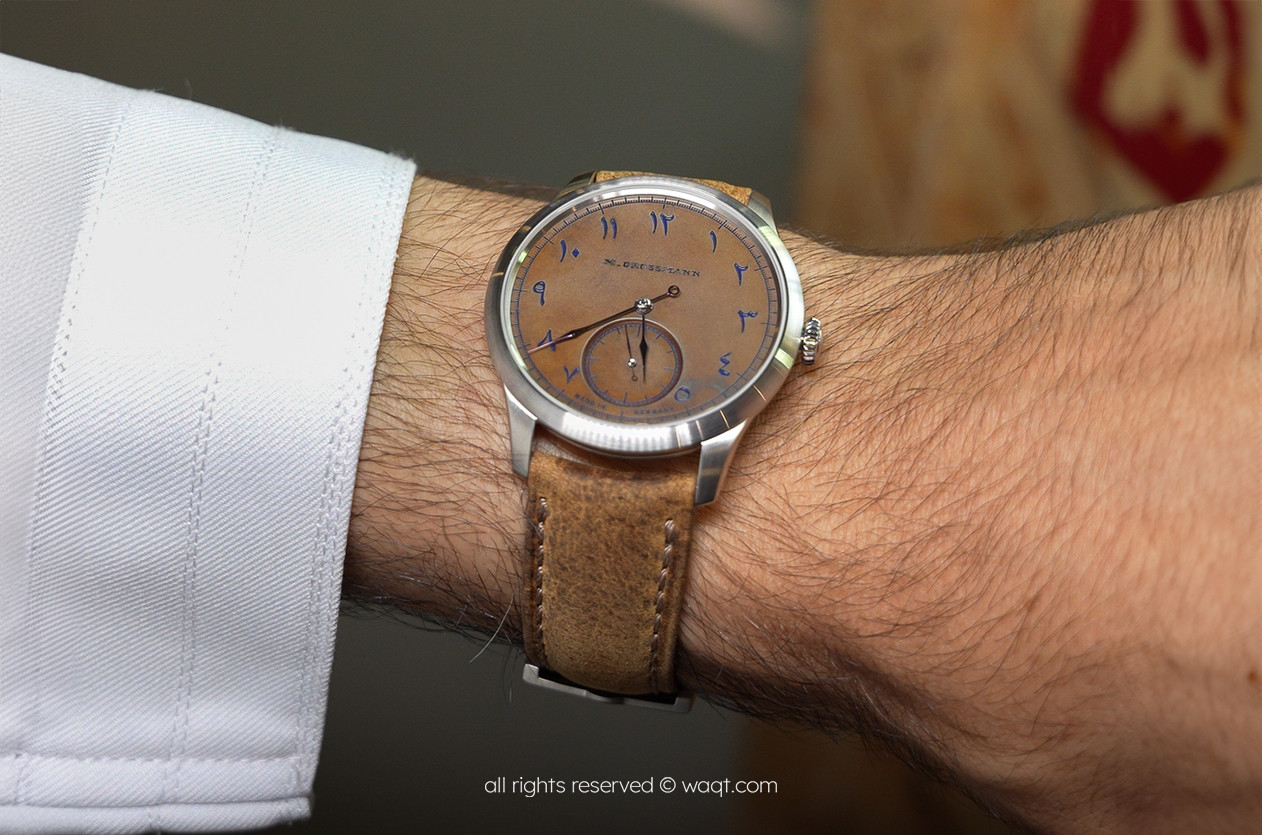
Introducing Moritz Grossmann Presents the TEFNUT Seddiqi 75 Anniversary Edition
Comment Delete Text
This page is available in English only. Please click below to visit Arabic Home page!