Introducing Breguet Refreshes the Tradition Collection with a Modern Touch
Welcome to the hub of the horoloy
The third chapter in Louis Vuitton’s journey through independent watchmaking
Modern high watchmaking has reached a point where technical prowess alone is no longer enough. Complications are abundant, materials are mastered, and finishing has become a shared language among the elite. What now separates meaningful creations from forgettable ones is intention: why a watch exists, the story behind it, and whether its complexity serves a clear idea.

Travel, despite being one of the oldest motivations for precision timekeeping, remains surprisingly underexplored at the highest level of contemporary watchmaking. True travel watches are not defined by additional hands or rotating discs alone. They demand autonomy, stability, and a mechanical architecture capable of remaining coherent across time zones, and changing conditions. They also demand restraint, a refusal to overwhelm the wearer with information that distracts from the act of reading time itself.
 |  |
This philosophy finds its expression today in the new LVDB-03 GMT Louis Varius, which sits at the crossroads of two worlds that rarely overlap. One is Louis Vuitton, a fashion house rooted in centuries-old traditions of trunk-making. The other is the independent brand De Bethune, where every component is questioned, rebuilt, and justified in the pursuit of chronometric integrity.
 |  |
LV’s director of watches Jean Arnault was the driving force behind this release, a project that had been quietly in development for nearly three years. From the outset, the vision was clear: this collaboration could only succeed if creative freedom was absolute. The project gained further momentum through the involvement of CEO Pierre-Jacques, who met with Arnault and encouraged him to approach Denis Flageollet directly, fully aware that the only way to bring him on board was to grant him complete autonomy in shaping both the collaboration and the watch itself.

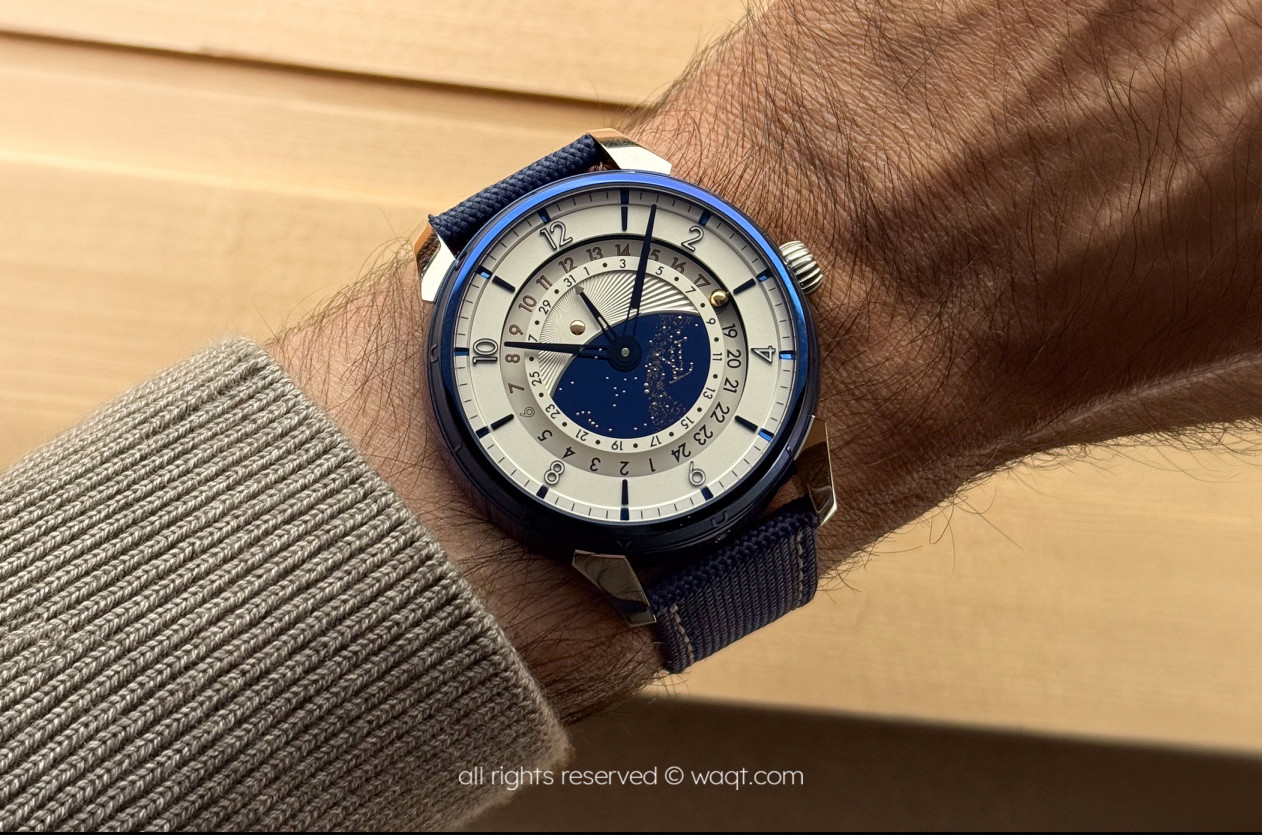
The watch is housed in a Tambour Taiko–shaped case executed in blued titanium, treated using a thermal oxidation process that produces a deep, saturated blue with shifting reflections. The architectural profile is sharpened by platinum lugs and a platinum crown, creating a deliberate contrast in both tone and texture. The bezel is sandblasted and blued, with the twelve Louis Vuitton letters polished individually.

The case measures 45 mm in diameter and 14.05 mm in thickness, dimensions that sound imposing on paper yet feel surprisingly balanced on the wrist, helped by the sculpted profile of the Tambour Taiko case and the visual lightness of its titanium construction. Turning the watch over reveals an open caseback that exposes the movement within, along with discreet engravings marking the collaboration and the individual numbering of each piece. Water resistance is rated at 30 metres.

The dial is structured across multiple layers. At its centre sits a blued titanium disc decorated with a celestial motif composed of white gold pins and fine gold leaf, arranged to form the Louis Vuitton constellation. Local time is displayed via a 12-hour disc, while a second disc presents a 24-hour GMT indication. Encircling the dial is a spherical day-and-night indicator that completes two full rotations every 24 hours, crafted in 18K rose gold for daytime and blued steel for night.
The hour and minute hands are diamond-cut brass with blue PVD coating, joined by a date hand tipped with a silvered arrow. Polished indexes and Tambour-style numerals frame the display, ensuring clarity despite the watch’s layered complexity.

Powering the watch is the calibre DB2507LV, a manual-winding movement developed and manufactured by De Bethune. It features a double self-regulating barrel, a titanium balance wheel with white gold inserts, a balance spring with a flat terminal curve, a silicon escape wheel, and a proprietary triple shock-absorbing system. The movement is finished to an exceptionally high standard, with microlight Côtes de Bethune decoration, polished titanium bridges, and an architecture designed for long-term stability during travel. It operates at a frequency of 28,800 vph (4 Hz) and offers a power reserve of five days.
The watch is delivered with two interchangeable straps. One is a blue fabric strap with grey edging and a black leather lining. The second is an extra-soft cognac alligator strap, fully lined in alligator leather and finished with tone-on-tone stitching. Both are secured by a polished and blued titanium pin buckle engraved with the Louis Vuitton and De Bethune signatures.
Production is strictly limited to 12 individually numbered pieces, priced at CHF 380,000, approximately AED 1,810,000. In addition, two of the 12 pieces will be paired with a specially developed Pendule Sympathique, offered at €4,000,000, approximately AED 17,600,000.
For more information, visit Louis Vuitton’s and De Bethune's official website.
Introducing DB28GS Swordfish: The Luxury Dive Watch from De Bethune
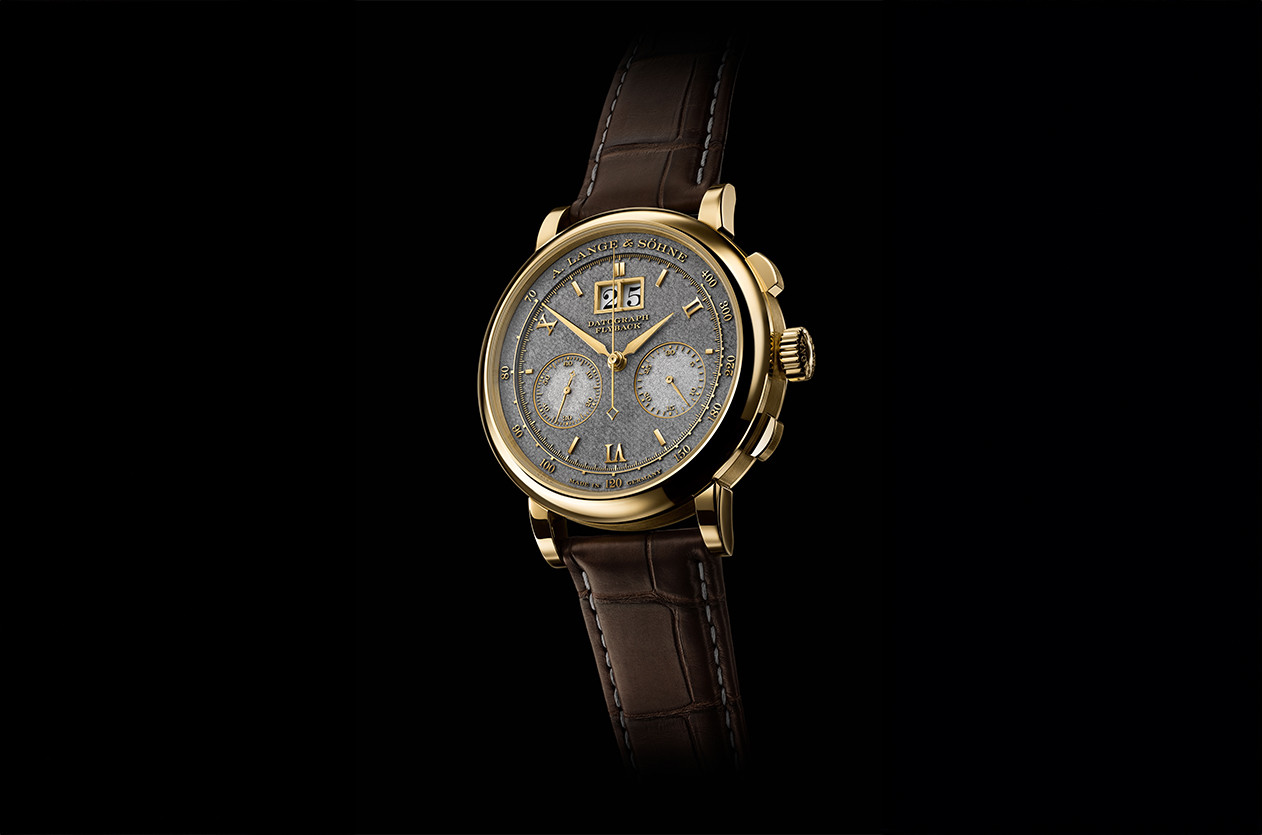
Introducing A. Lange & Söhne Continues Celebrating the 25th Anniversary of the Datograph
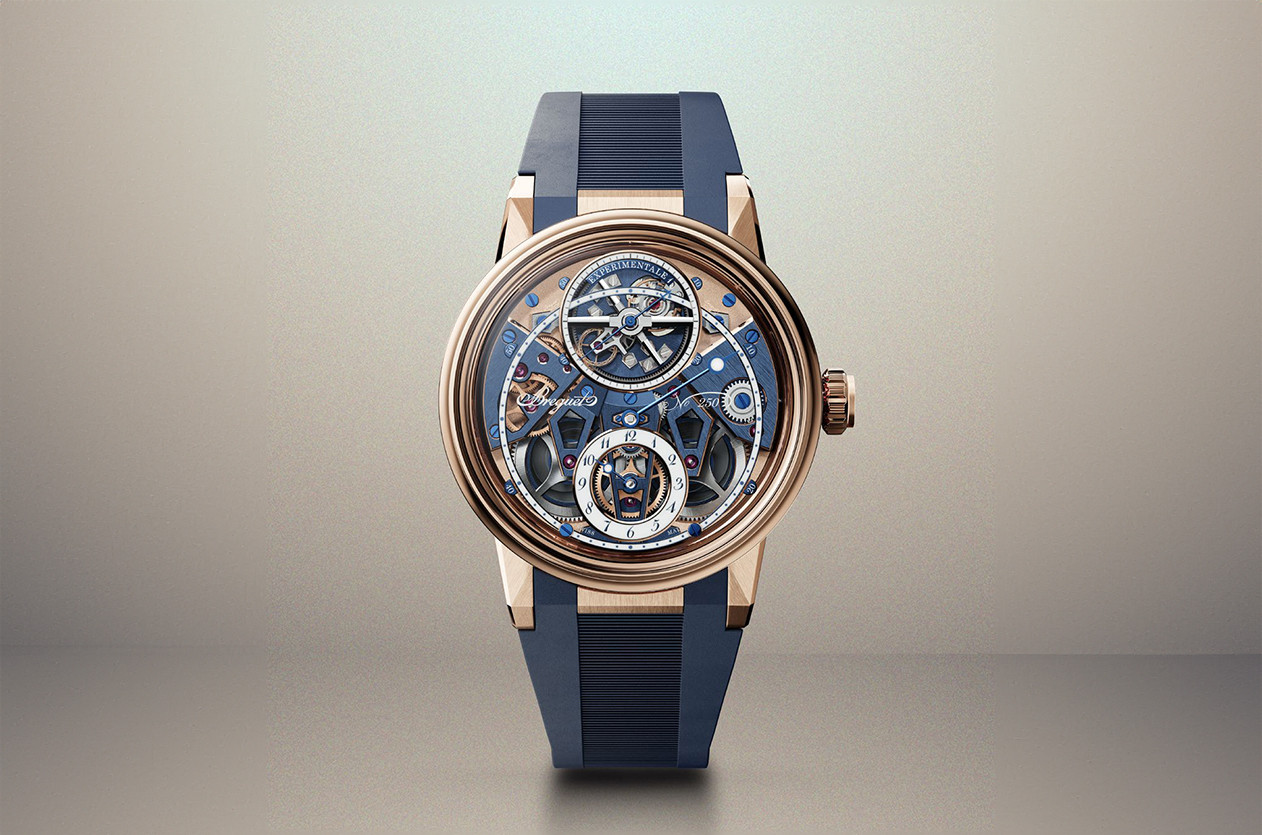
Introducing Breguet Unveils Its Final 250th-Anniversary Timepiece: Expérimentale 1
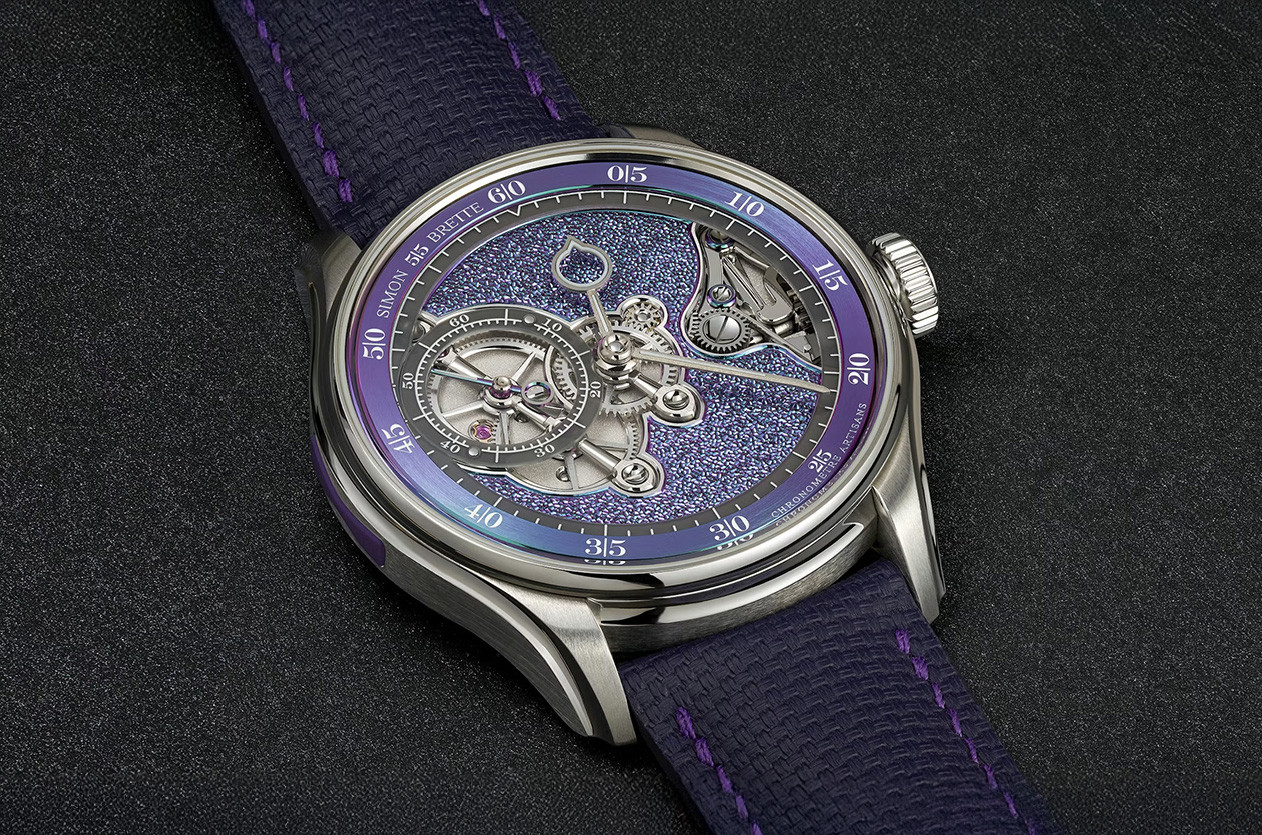
Introducing Simon Brette Unveils the Chronomètre Artisans in Stainless Steel
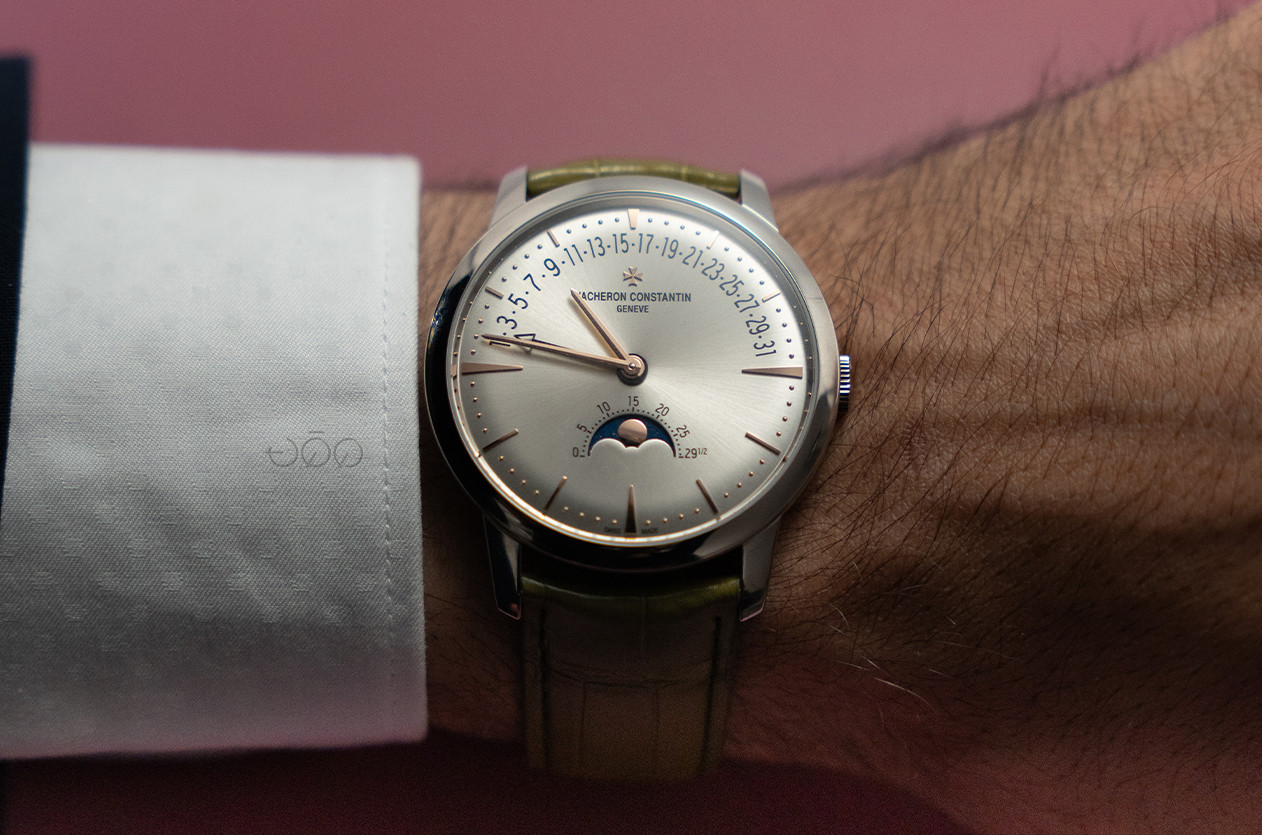
Hands on The New Vacheron Constantin Patrimony Collection
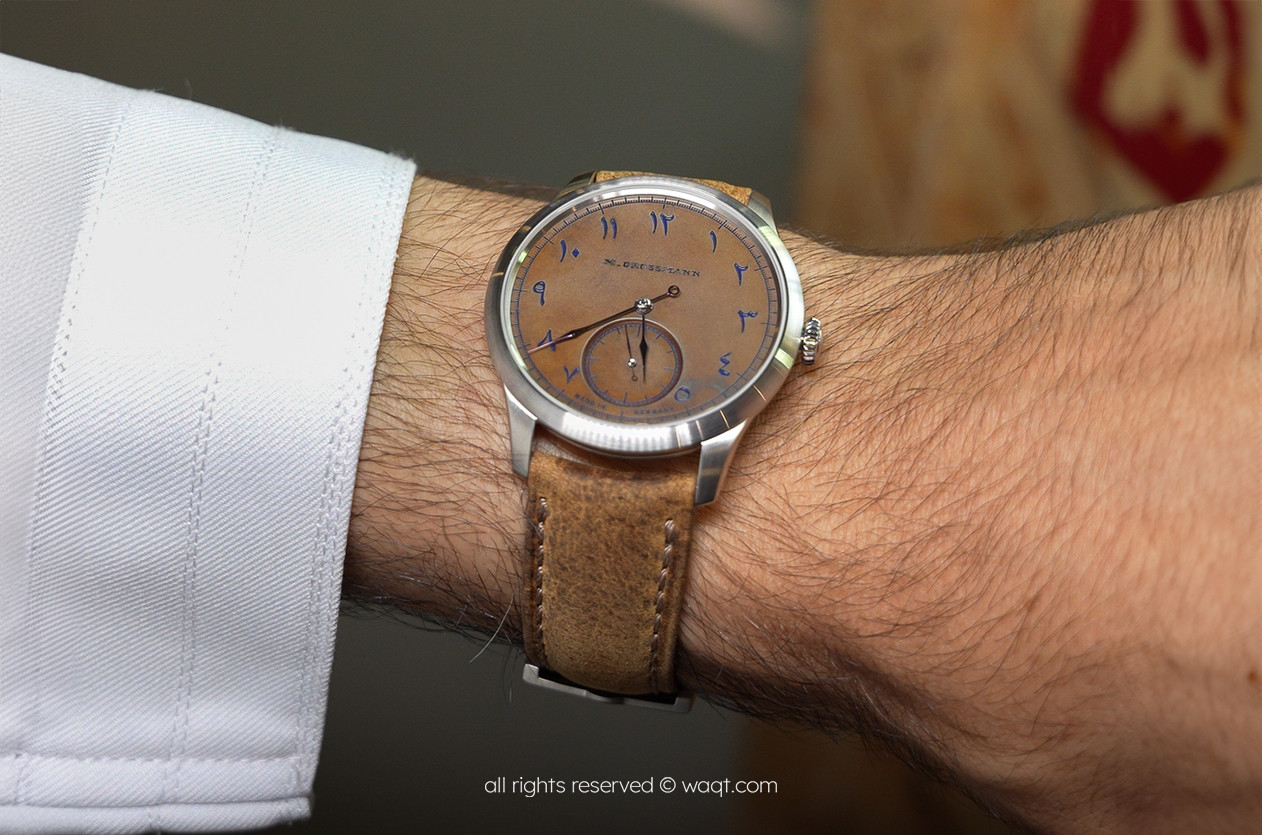
Introducing Moritz Grossmann Presents the TEFNUT Seddiqi 75 Anniversary Edition
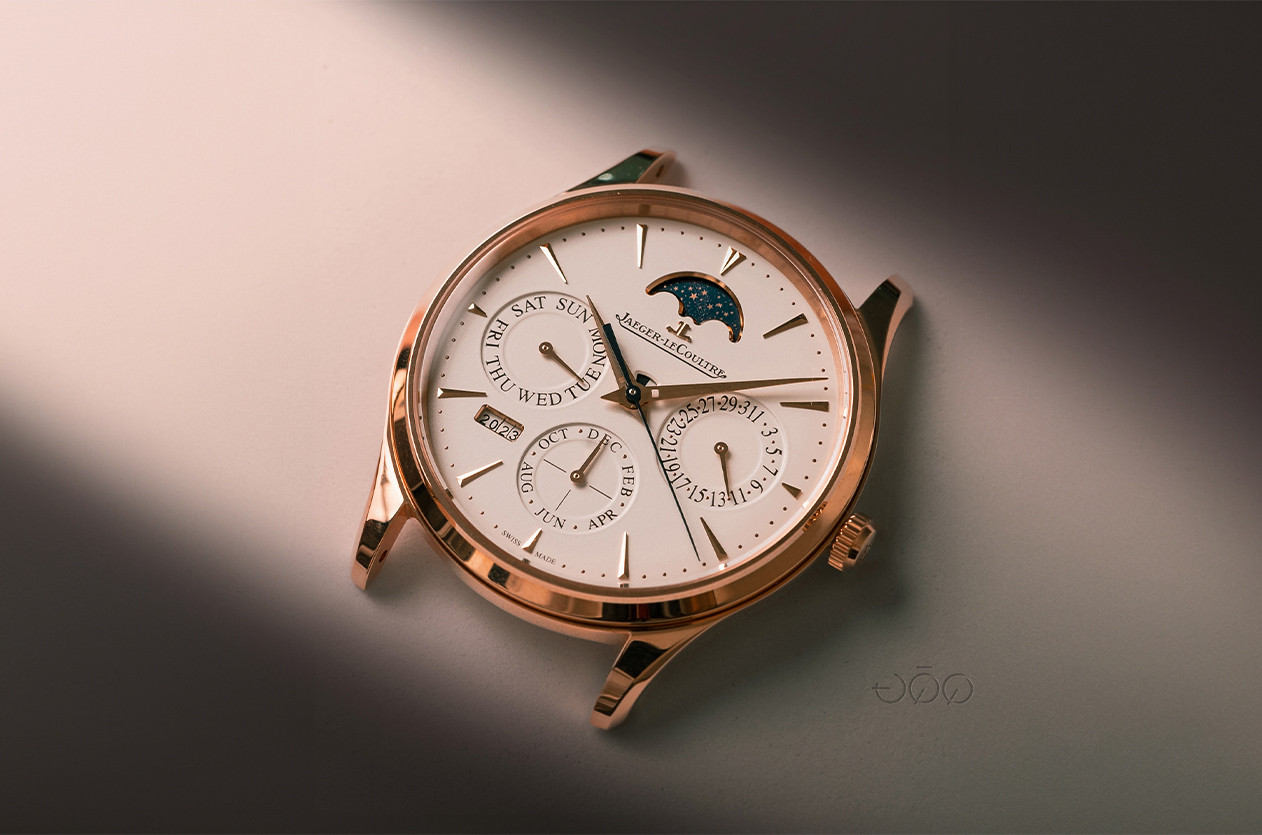
Editorial The Most Sought After Dial Finishing
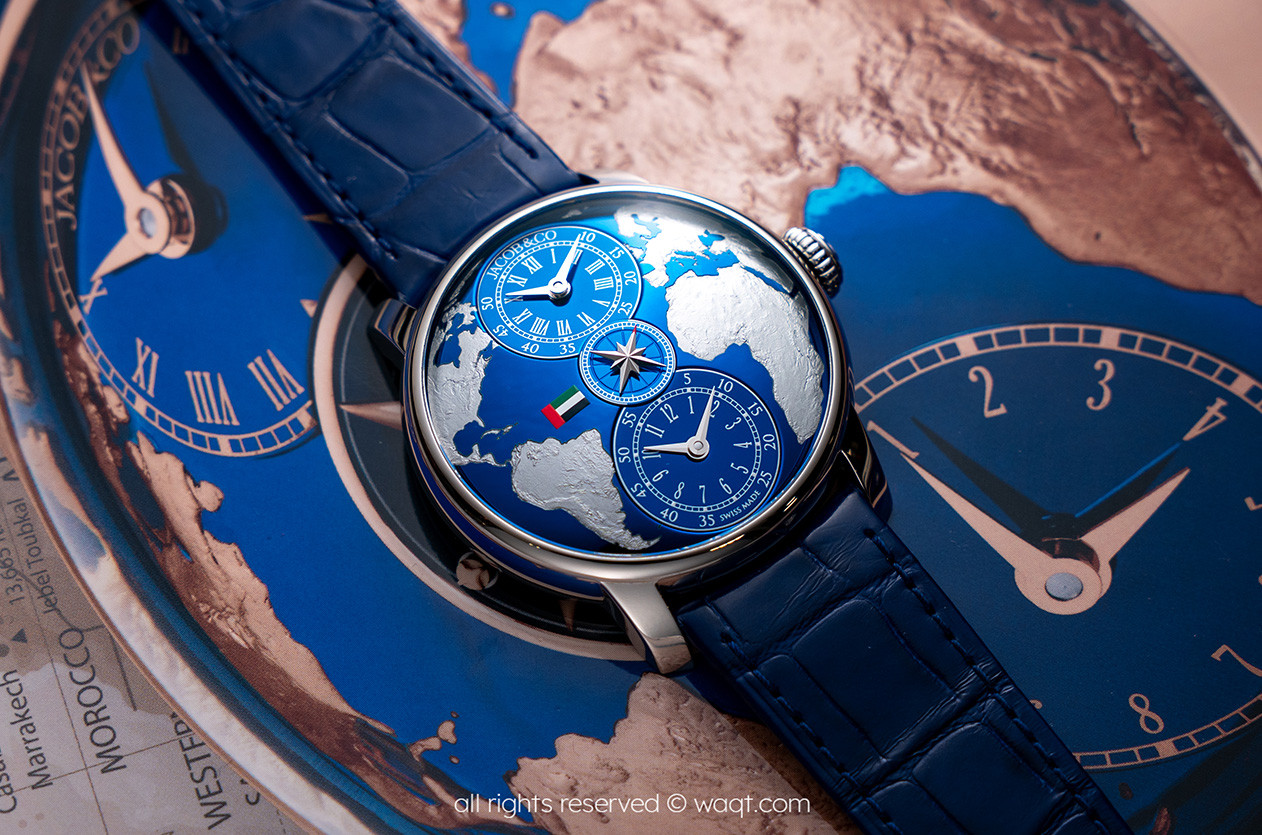
First Look A Special UAE Edition of “The World Is Yours Dual Time Zone”
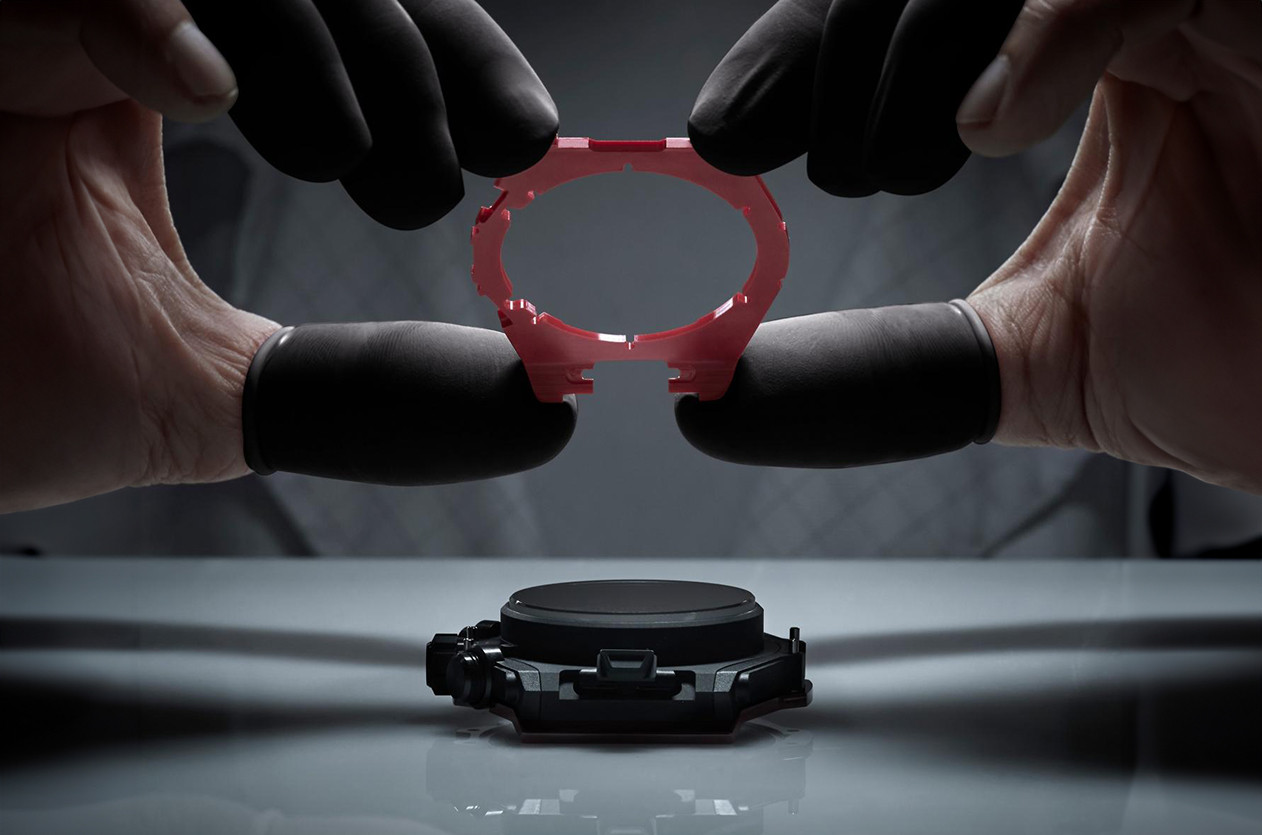
Editorial The Secrets of Watch Case Design

Editorial The Titanium Watch Revolution
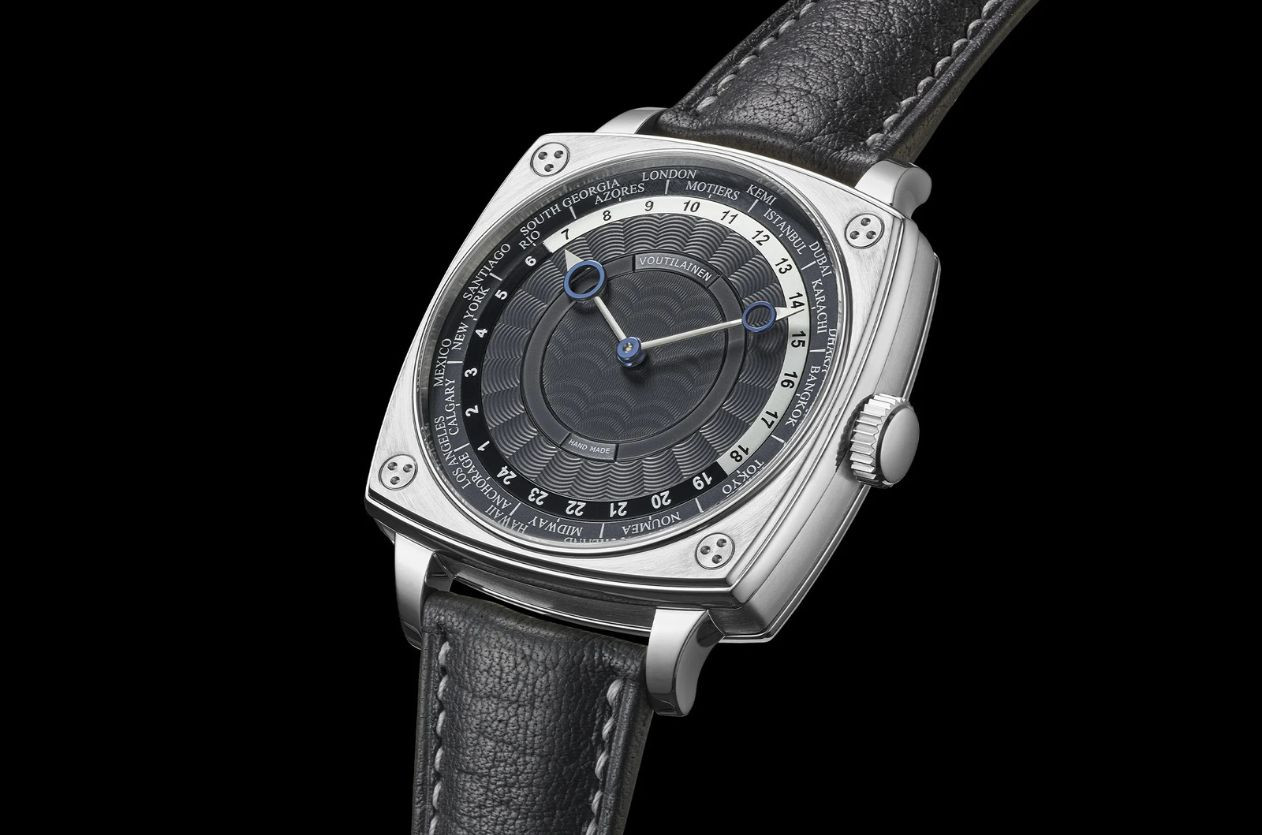
Introducing The Voutilainen CSW or Cushion Shape Worldtime: A Sculpture in Time
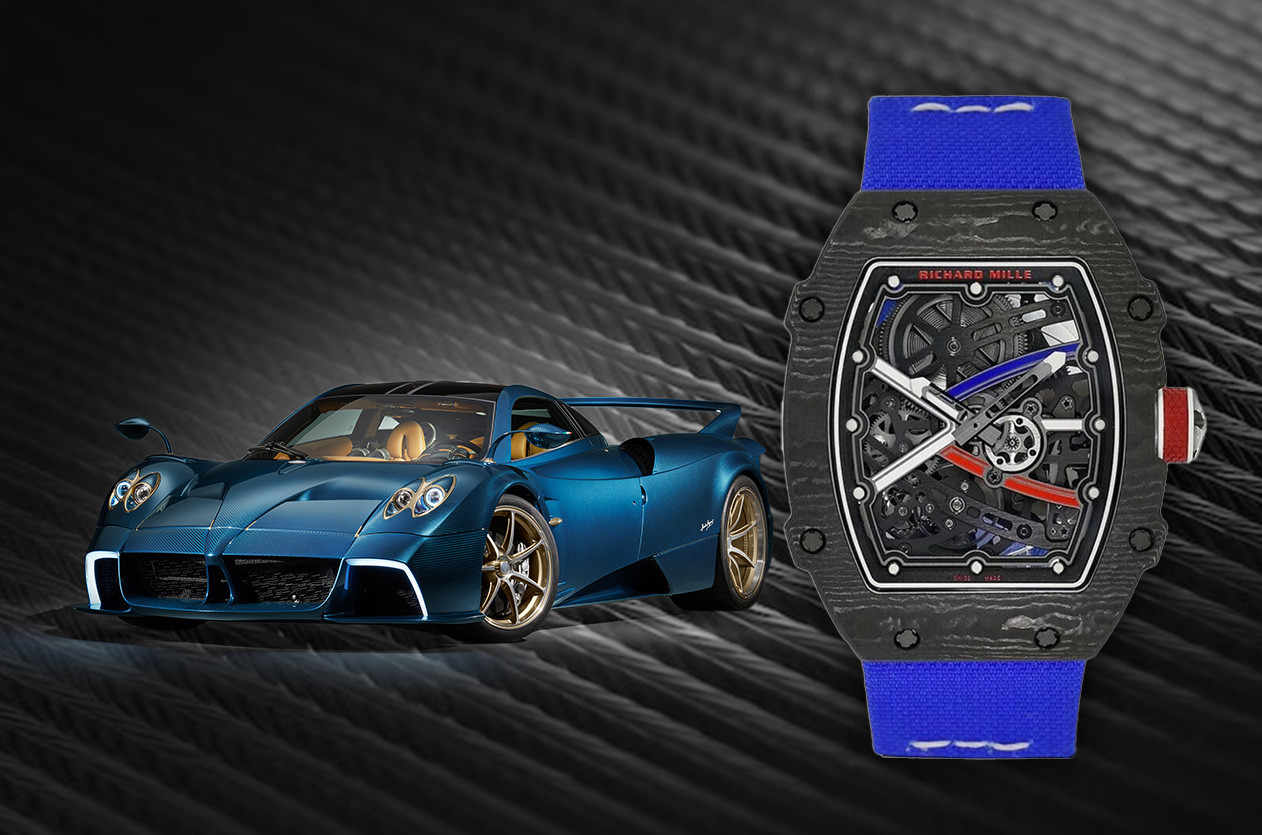
Editorial Is Carbon Fiber the Key to Richard Mille and Horacio Pagani’s Success?
Comment Delete Text
This page is available in English only. Please click below to visit Arabic Home page!