Introducing Breguet Refreshes the Tradition Collection with a Modern Touch
Welcome to the hub of the horoloy
A historic name finds its way back with a jumping-hour complication
There is a kind of credibility in watchmaking that cannot be manufactured through branding or storytelling alone. It comes from a real technical past, one built quietly behind the scenes, often at the highest levels of the industry, and later lost as priorities and structures shifted. Niton finds itself firmly in that category. Founded in Geneva in 1919, the brand established itself through movement development and mechanical problem-solving at a time when elegance and innovation were closely intertwined. Its disappearance was not the result of a lack of ideas, but rather a reflection of the industrial changes that reshaped Swiss watchmaking in the middle of the 20th century.

Niton’s return is not driven by market timing or trend analysis, but by personal discovery. When Yvan Ketterer uncovered the brand’s history through family research, the idea of reviving it emerged gradually and with intent. Alongside Leopoldo Celi, the decision was made to bring Niton back with a clear position. This would not be a nostalgic revival, nor a brand trading on decorative references to its past. Instead, Niton would reappear as a technically focused manufacture, grounded in modern design thinking and held to uncompromising standards.

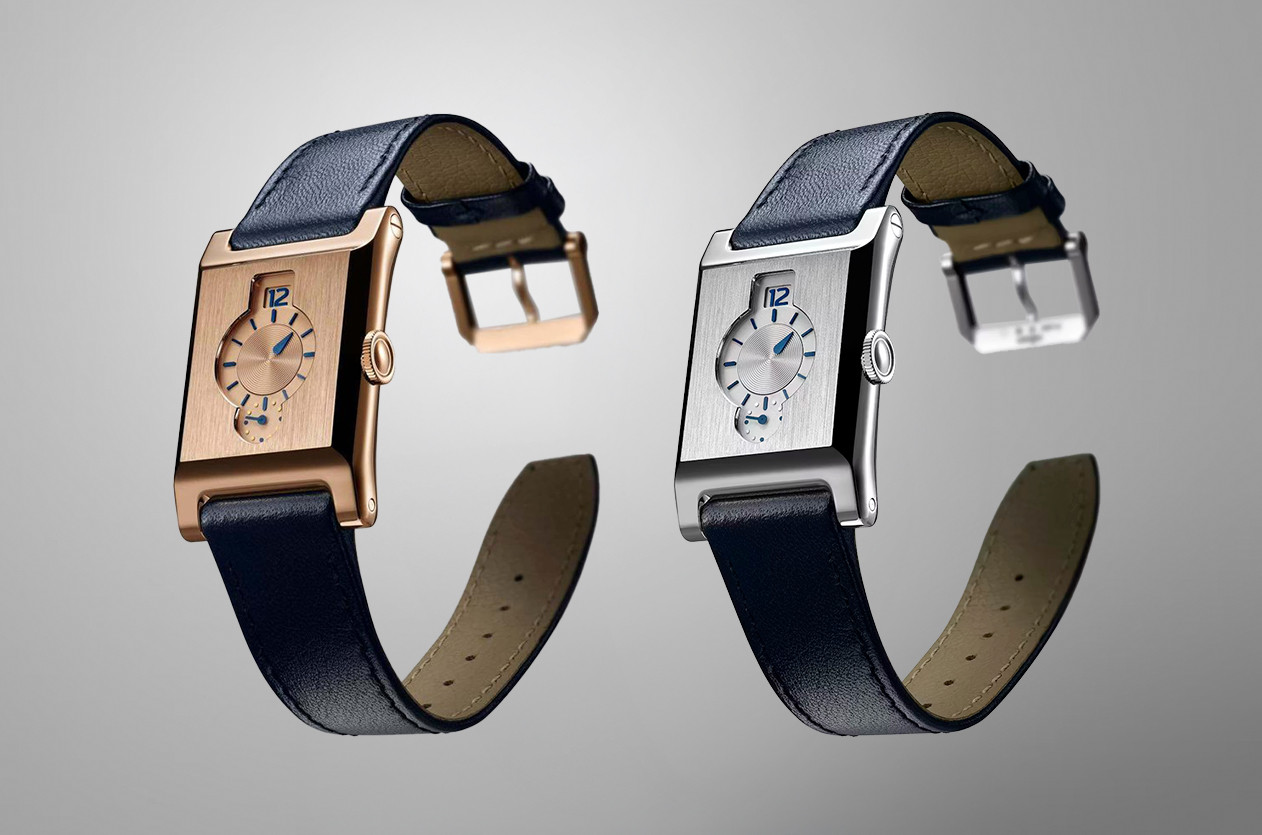
That philosophy is expressed clearly in its very first release Niton Prima, which introduces the brand’s contemporary identity in a single, confident move. The rectangular case features vertical brushing across the front surface and softly polished rounded sides. It is offered in either 18K rose gold or 950 platinum, measuring 27 mm in width and just 7.9 mm in thickness. A sapphire caseback reveals the movement inside, allowing the technical focus of the watch to remain visible. Water resistance is rated at 30 metres.

The opaline dial shifts subtly depending on the case material, whether rose gold or platinum. A blued central hand indicates the minutes as it moves across a rotating disc, while applied blue markers provide structure without visual clutter. At 12 o’clock, a jumping-hour display presents clean blue numerals, and at 6 o’clock you can spot the small seconds counter.

The watch is powered by the calibre NHS01, a fully proprietary shaped movement developed specifically for the Prima. It is manually wound, runs at 28,800 vph (4 Hz), and offers a 72-hour power reserve. Beyond its core timekeeping function, the movement incorporates two thoughtful technical features. A zero-reset mechanism returns the seconds hand to zero when setting the time, allowing for precise synchronisation, while a discreet hourly chime signals each jump of the hour without announcing the full time. The calibre is both COSC-certified and compliant with the Geneva Seal.
 |  |
The watch is paired with a blue grained calf-leather strap, secured by a pin buckle crafted to match the case material. Production is strictly limited to 19 pieces in rose gold and 19 pieces in platinum, a direct nod to the brand’s founding year of 1919. Pricing is set at CHF 44,750, approximately AED 213,500 for the rose gold version, and CHF 47,750, approximately AED 228,000 for the platinum model.
For more information, visit Niton’s official website.
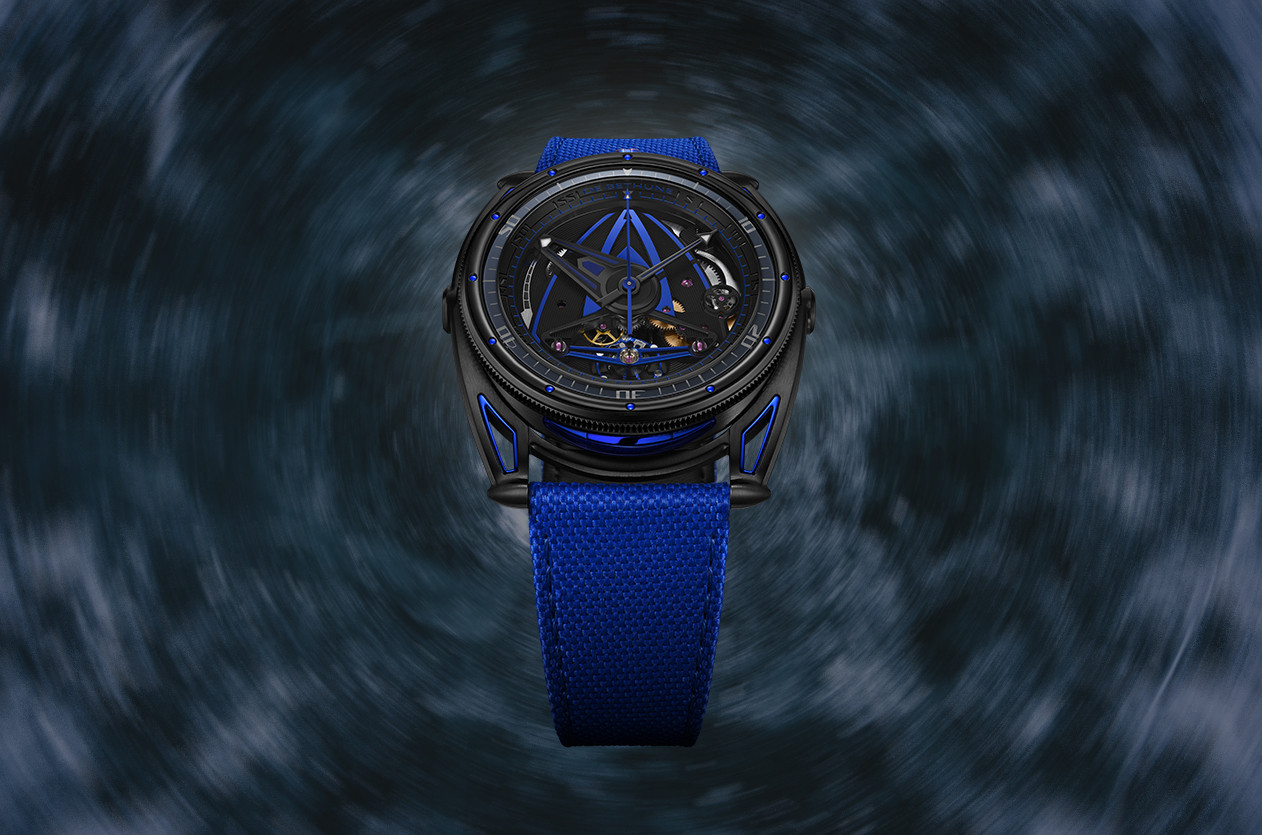
Introducing DB28GS Swordfish: The Luxury Dive Watch from De Bethune
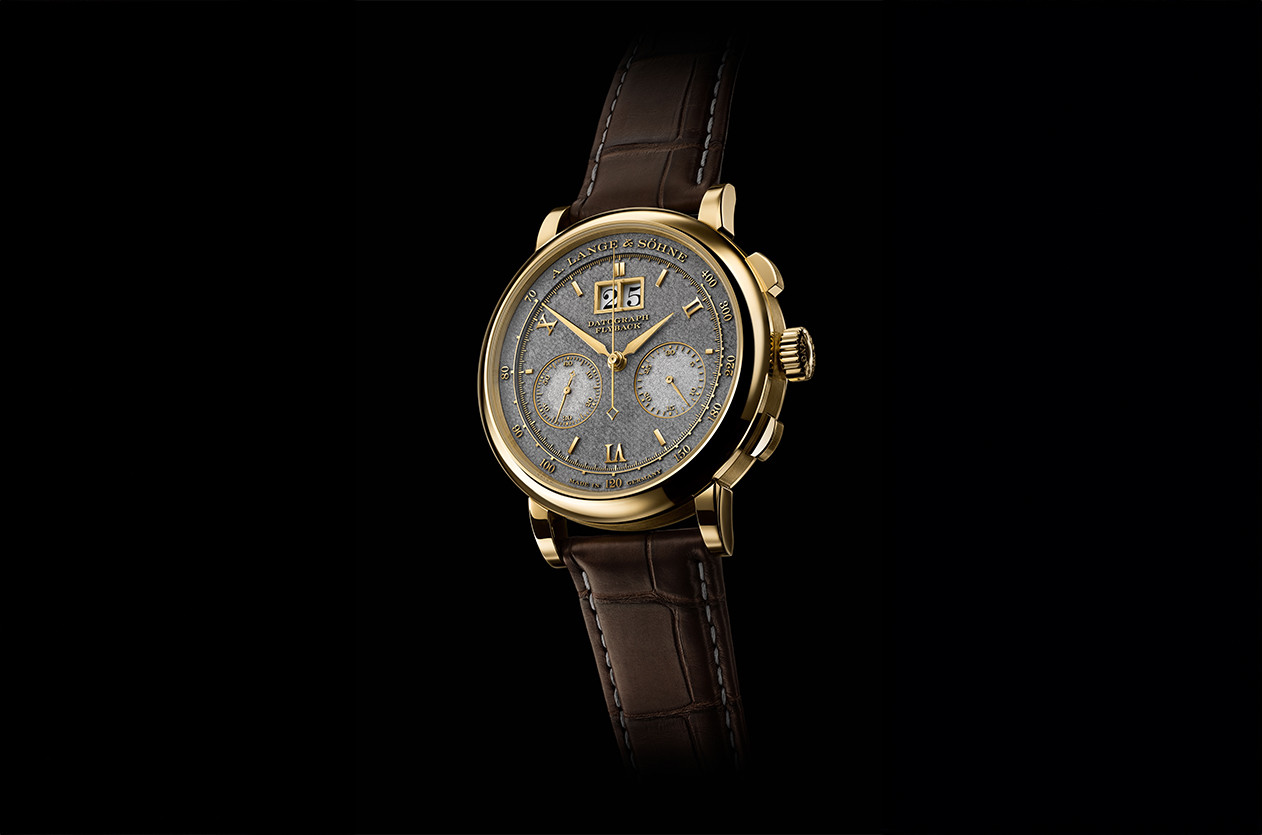
Introducing A. Lange & Söhne Continues Celebrating the 25th Anniversary of the Datograph
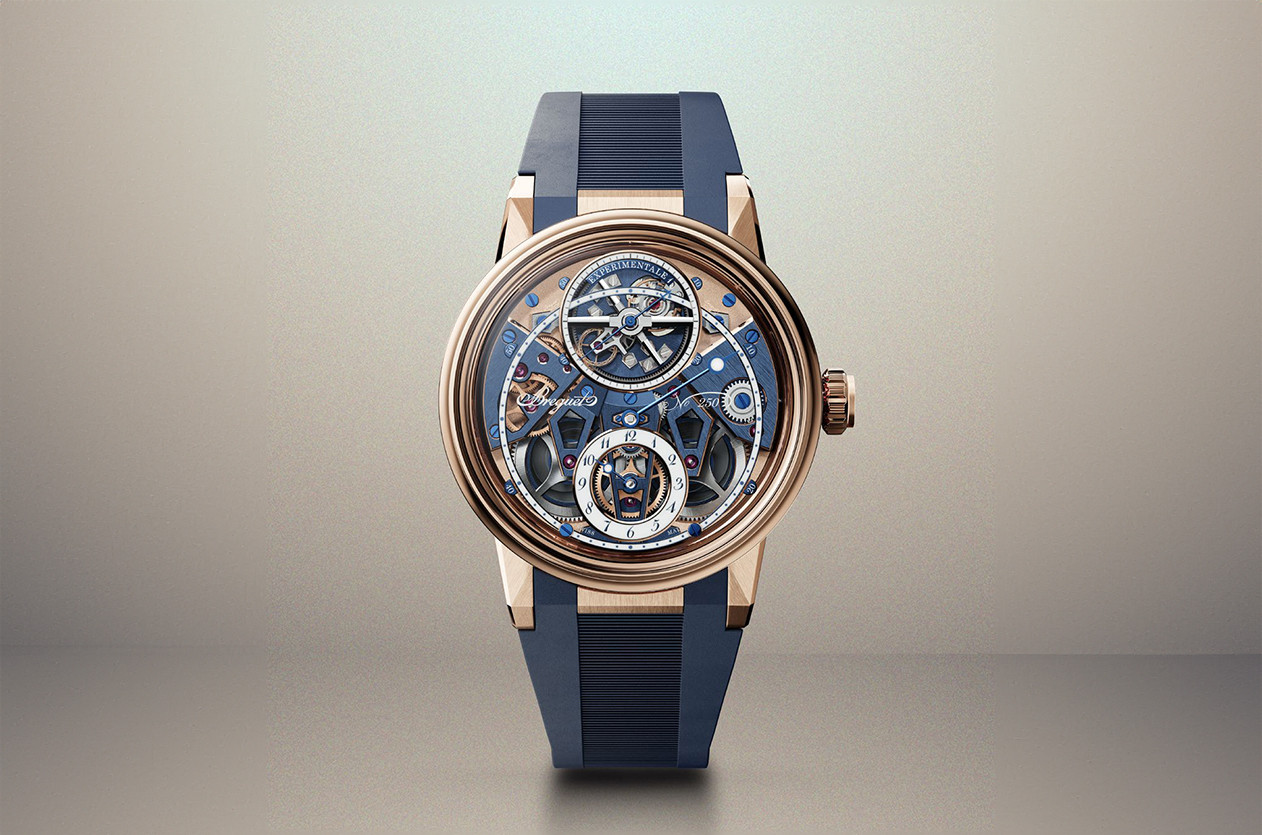
Introducing Breguet Unveils Its Final 250th-Anniversary Timepiece: Expérimentale 1
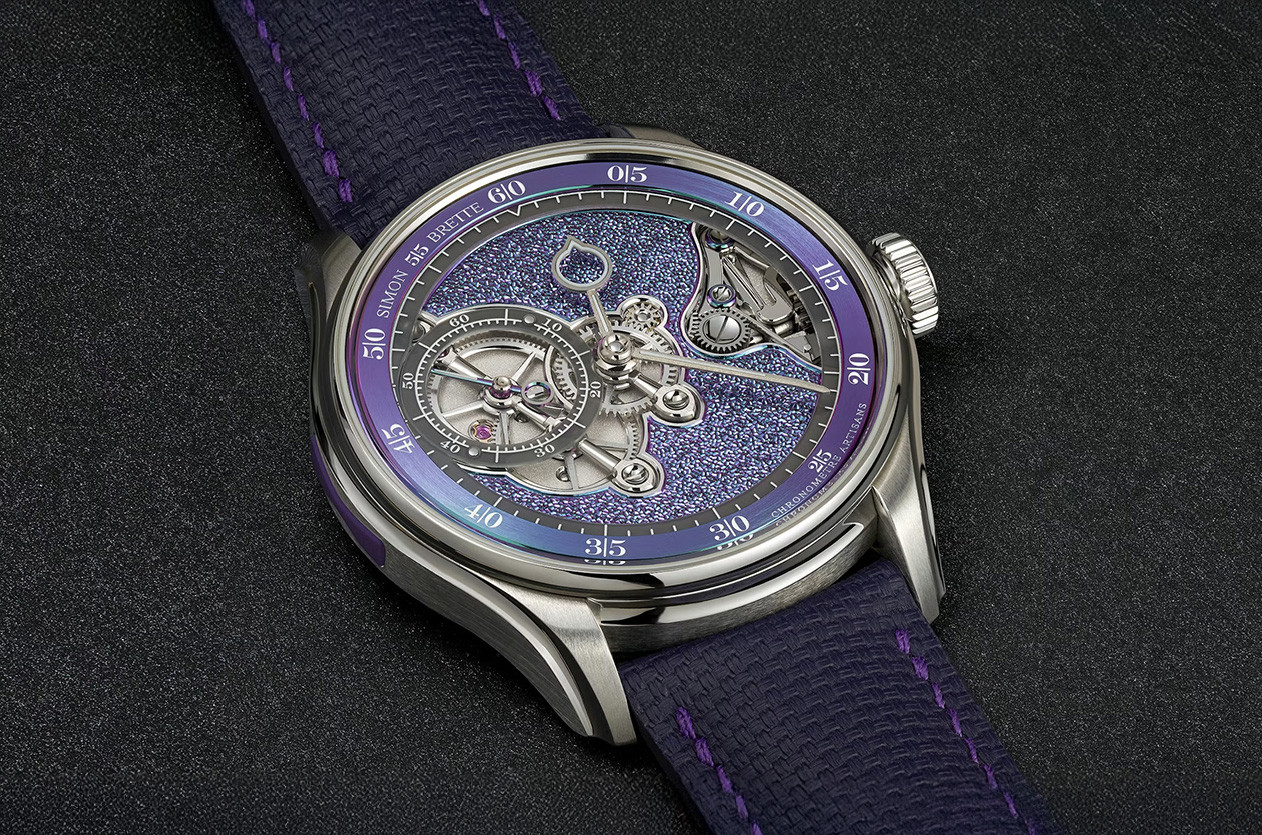
Introducing Simon Brette Unveils the Chronomètre Artisans in Stainless Steel
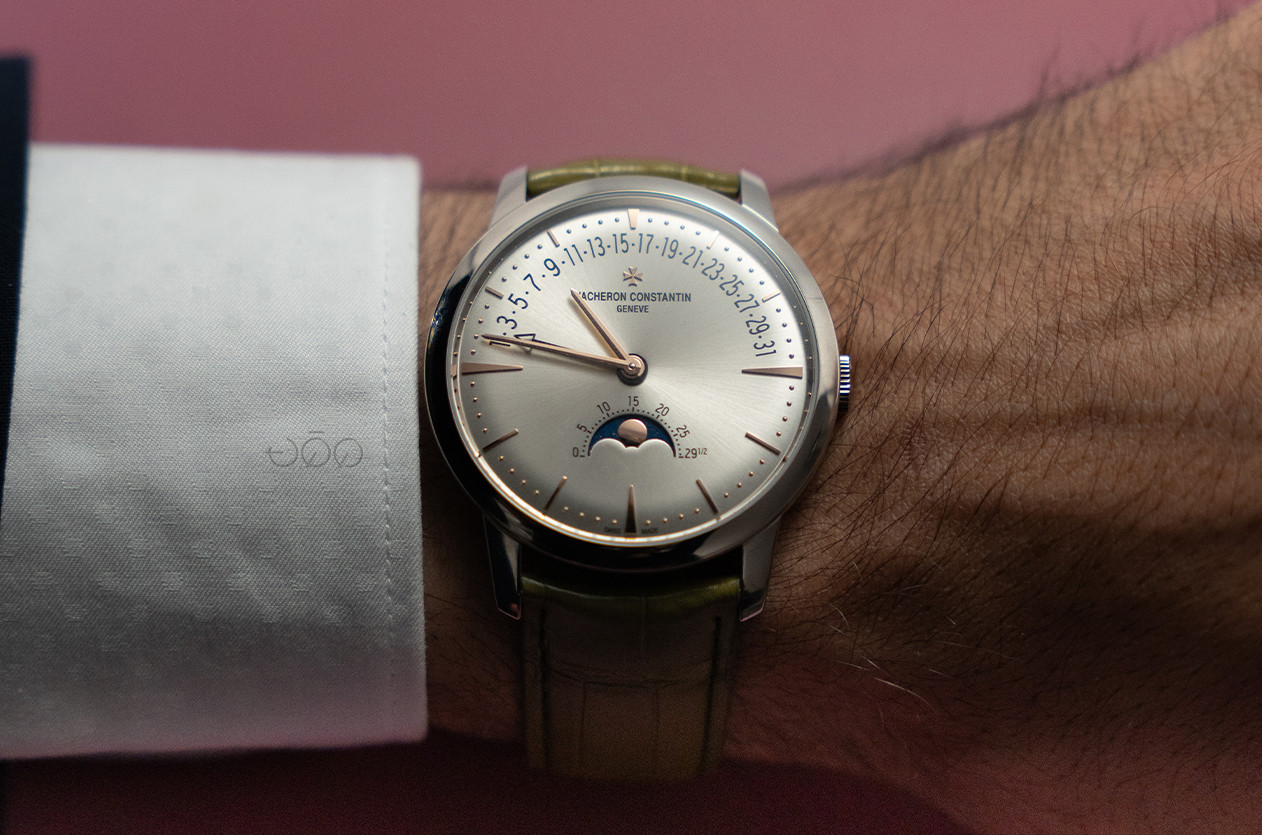
Hands on The New Vacheron Constantin Patrimony Collection
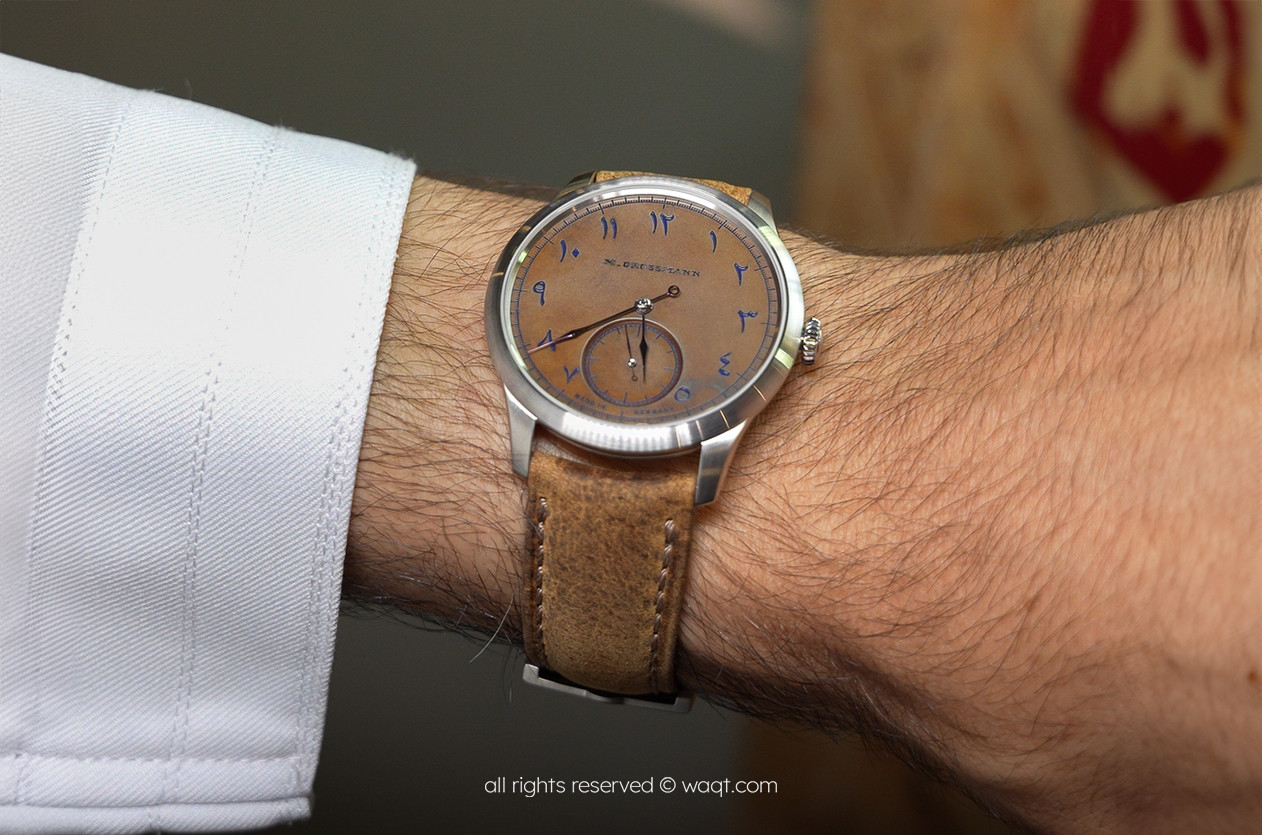
Introducing Moritz Grossmann Presents the TEFNUT Seddiqi 75 Anniversary Edition
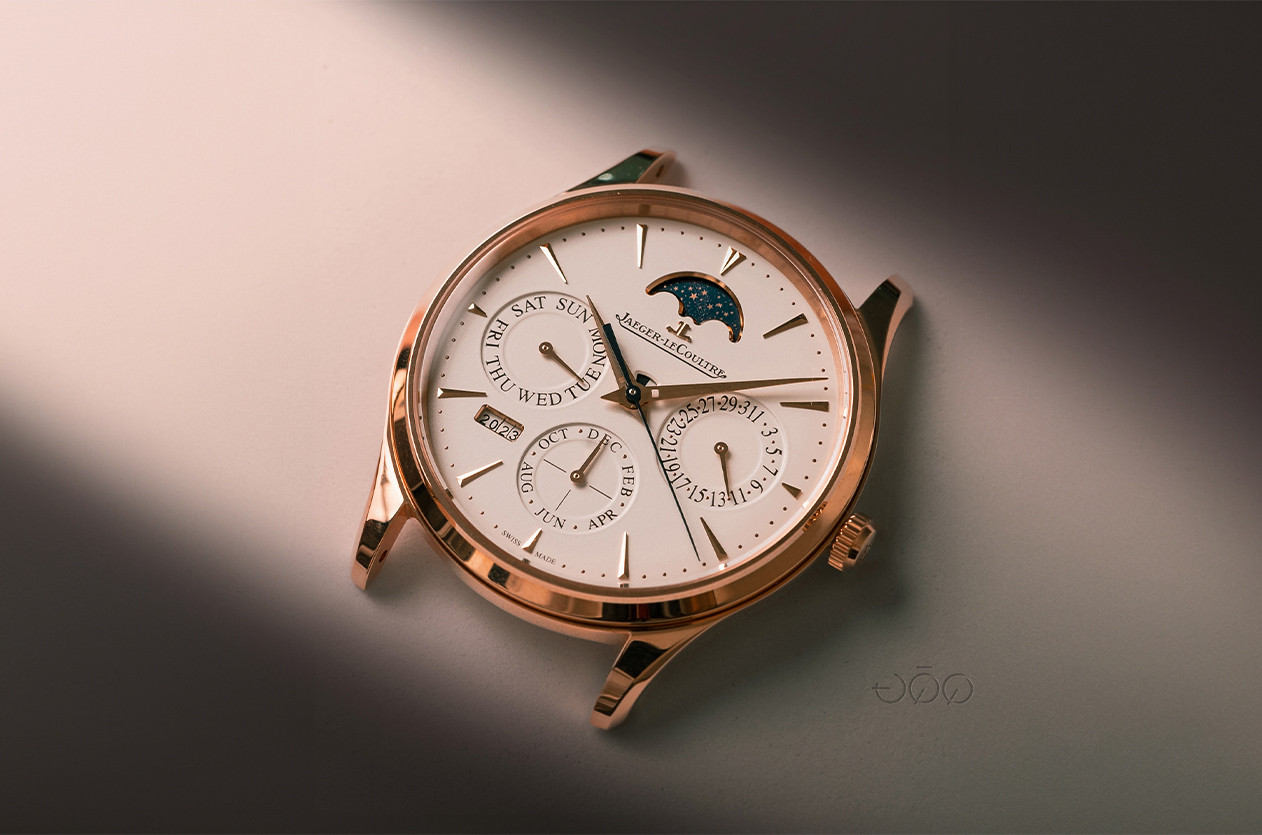
Editorial The Most Sought After Dial Finishing
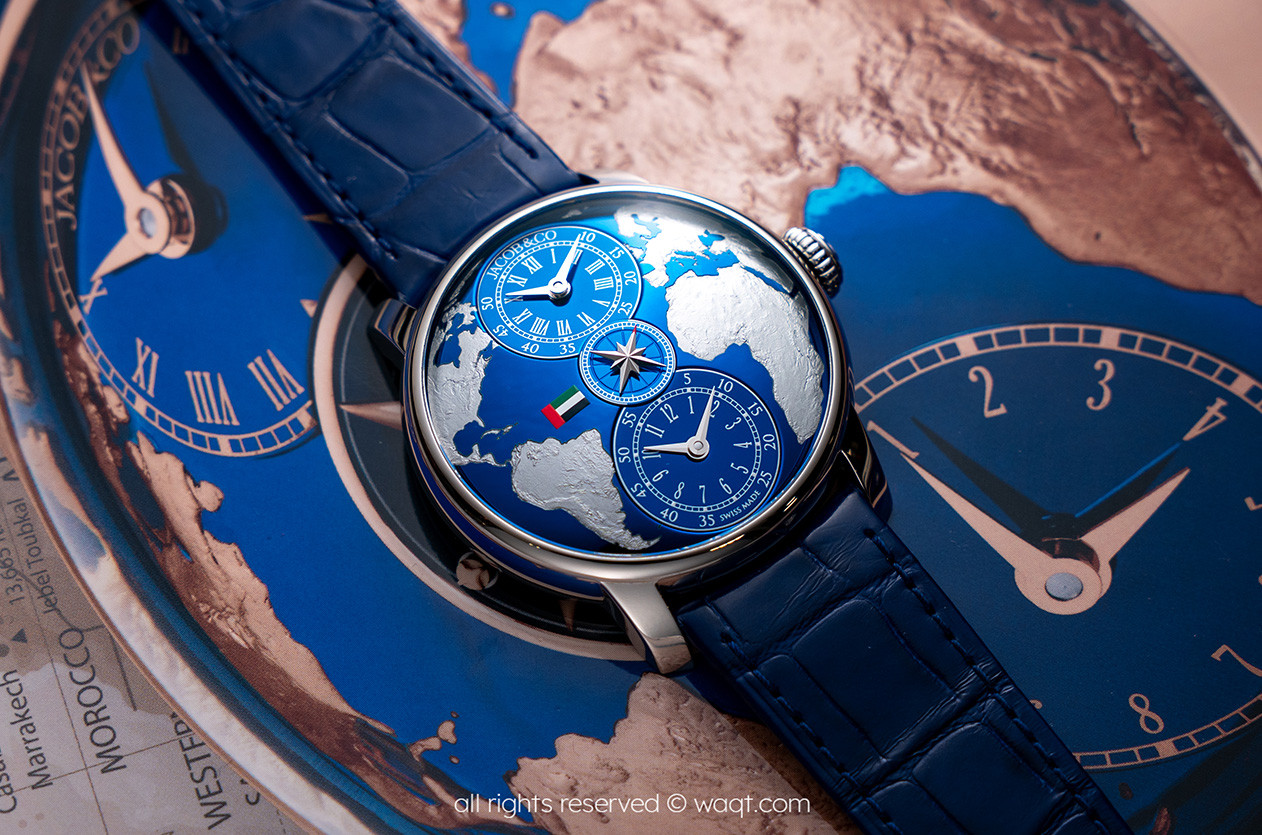
First Look A Special UAE Edition of “The World Is Yours Dual Time Zone”
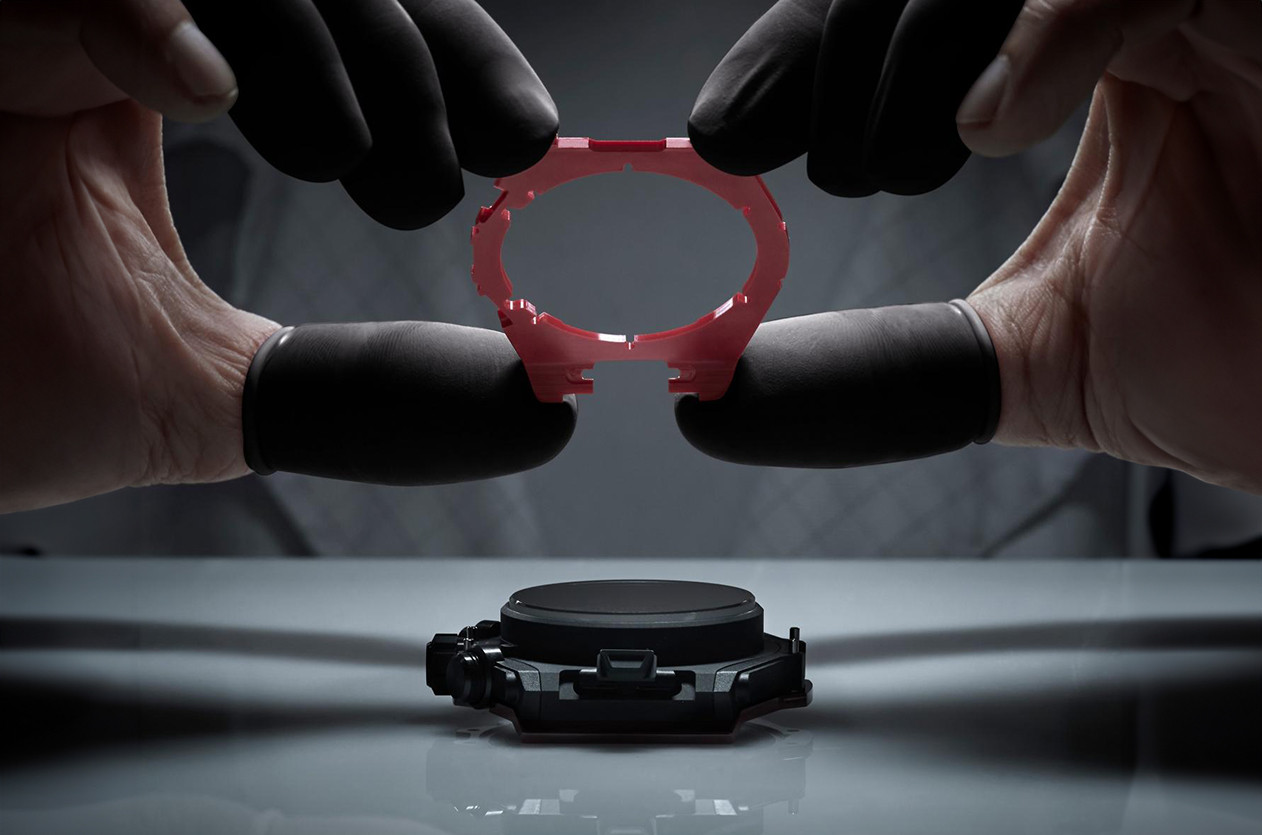
Editorial The Secrets of Watch Case Design
Editorial The Titanium Watch Revolution
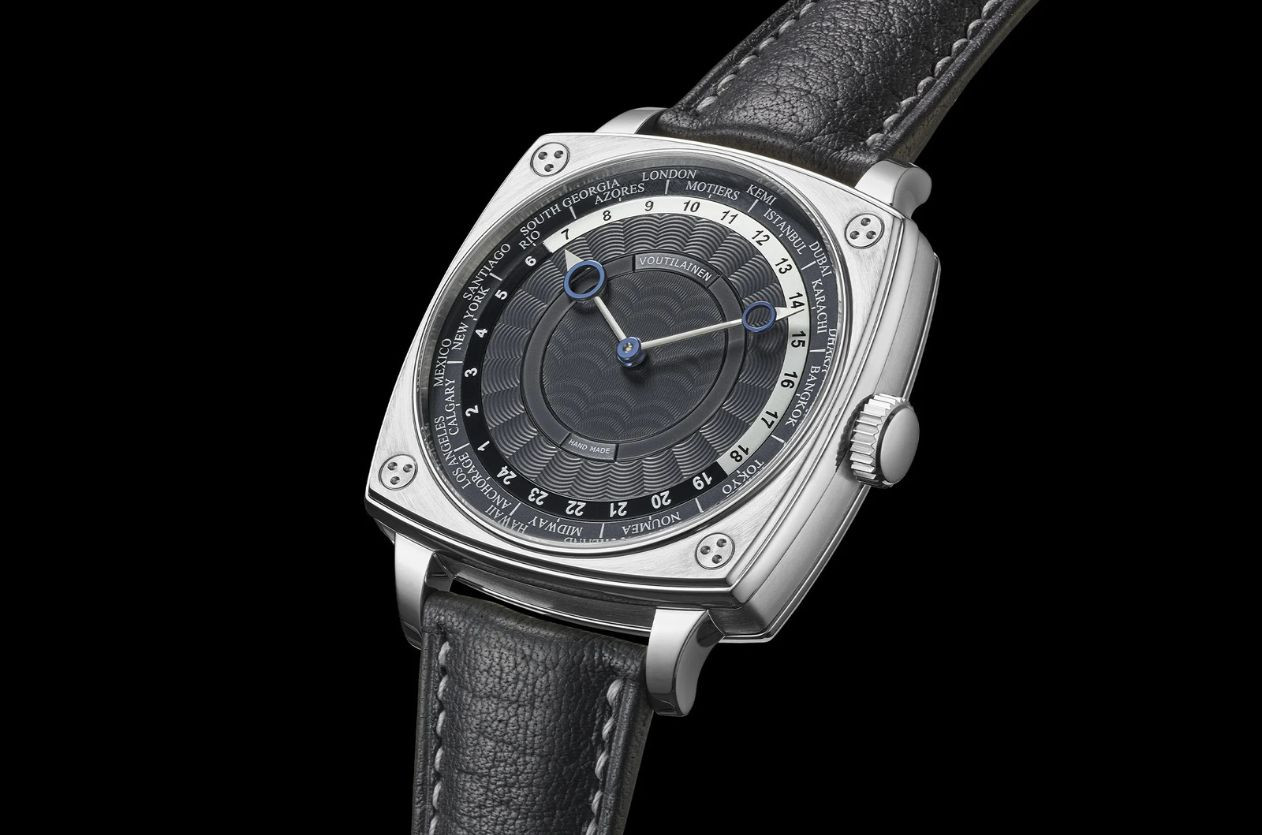
Introducing The Voutilainen CSW or Cushion Shape Worldtime: A Sculpture in Time
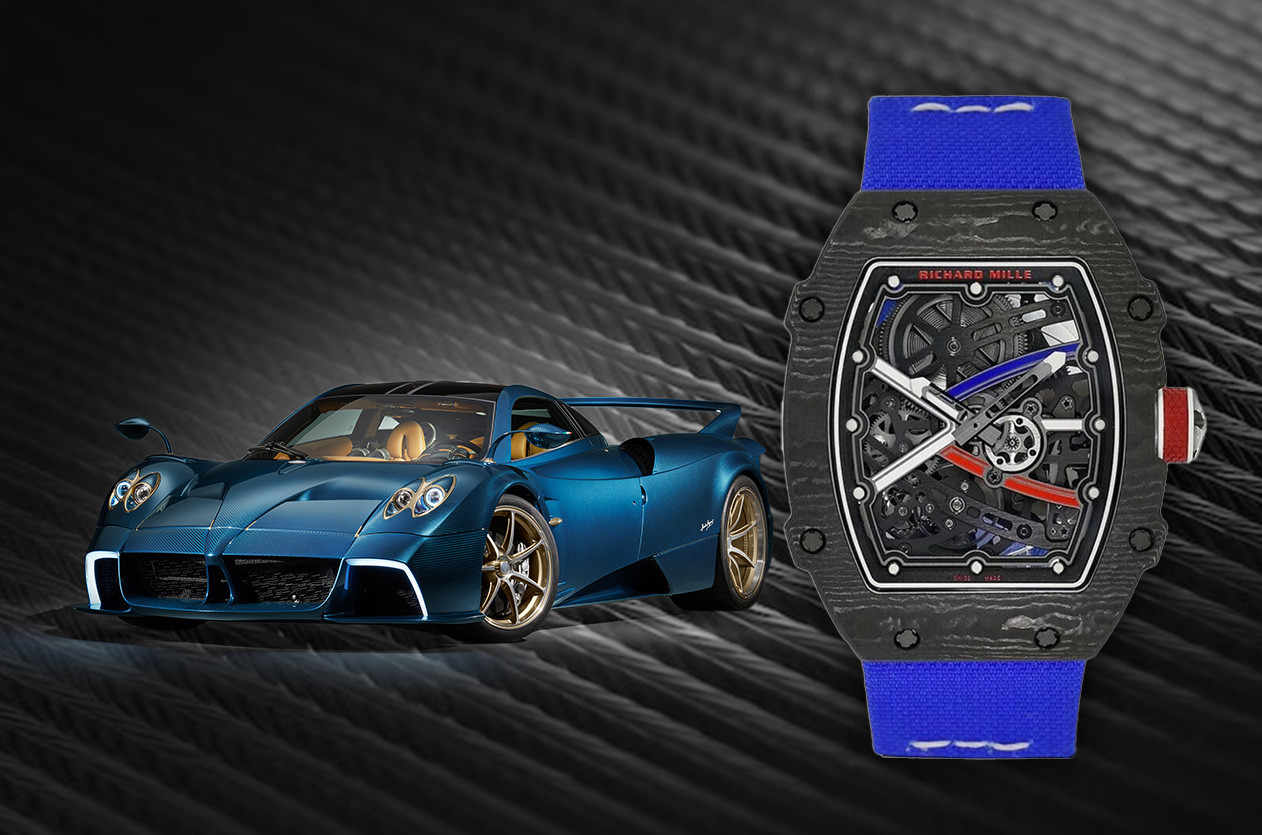
Editorial Is Carbon Fiber the Key to Richard Mille and Horacio Pagani’s Success?
Comment Delete Text
This page is available in English only. Please click below to visit Arabic Home page!