Introducing Ferdinand Berthoud Unveils the Mesure du Temps 1787 Chronomètre FB 2TV
Welcome to the hub of the horoloy
Eleven rare timepieces embody the evolution of chronometry in the XXIII Geneva Watch Auction.
In the history of timekeeping, few pursuits have proven as enduring, or as consequential, as the quest for precision. Long before wristwatches became objects of daily wear, the ability to measure time accurately was a scientific and geopolitical necessity, shaping navigation, astronomy, and ultimately the balance of power at sea.
 The origins of this pursuit can be traced to the great longitude problem of the 18th century, when the British Crown offered a reward for the development of a chronometer precise enough to determine a ship’s position at sea. While John Harrison is remembered as the eventual victor, he was far from alone. Across England and Europe, a generation of watchmakers approached the same problem from radically different technical perspectives, each proposing a distinct solution to the fundamental challenge of regulating time.
 At the upcoming Geneva Watch Auction: XXIII (9 & 10 May 2026), Phillips will present a remarkable private collection of 11 timepieces that together trace this evolution.
Spanning nearly 140 years, from a circa 1797 marine chronometer based on the work of Thomas Mudge to a record-setting German flying tourbillon school watch from 1935, the collection offers a rare opportunity to follow the development of chronometric science through the objects themselves.
“This collection tells the story of one of the greatest intellectual pursuits in watchmaking: the quest for precision,” said Aurel Bacs, Senior Consultant, Phillips in Association with Bacs & Russo. “Chronometry was never solved in a single moment. It was pursued, challenged, and reinvented over generations. Bringing these timepieces together is incredibly special because it allows collectors to experience, in one place, how different makers, across countries and eras, each sought to define precision in their own way.”

The Origins of Precision
The story begins in the late 18th century with a historically important constant-force one-day marine chronometer by Robert Pennington and Richard Pendleton (Lot 131, Estimate: CHF 80,000–160,000), produced circa 1797 and signed No. 25, based on the work of Thomas Mudge.
Mudge, a contemporary of John Harrison and inventor of the detached lever escapement, developed a constant-force marine timekeeper in his own bid for the Longitude Prize. Though ultimately unsuccessful in securing official recognition.
Determined to preserve and commercialize his father’s work, Mudge Jr. established a workshop in 1794 with Howells, Pennington, and Pendleton, skilled makers tasked with producing faithful reproductions of Mudge’s chronometers. In total, just 26 examples were completed. The present No. 25 is among the very few survivors and is only the fourth known example preserved in unaltered condition.
The Spread of Chronometry
By the early 19th century, the pursuit of precision had expanded beyond England.
 In Dresden, circa 1840, Johann Christian Friedrich Gutkaes (Lot 185, Estimate: CHF 10,000–20,000) produced a pocket chronometer combining an Earnshaw detent escapement with fusée-and-chain transmission and a helical balance spring. No more than 10 such Gutkaes pocket chronometers are known, and only five have appeared at auction in the past 40 years. Widely regarded as a founding force behind Glashütte watchmaking, Gutkaes’ influence extended through his apprentice and son-in-law, Ferdinand Adolph Lange, founder of A. Lange & Söhne.
In Switzerland, Louis Richard emerged as a pivotal, and today often underappreciated, figure. He played a formative role in establishing the Swiss marine chronometer industry, laying the foundations for a tradition that would define the country for generations.
Obsessed with precision, Richard acquired astronomical instruments to conduct his own celestial observations, while his workshop was equipped with both an ice chamber and an oven to test performance under extreme temperatures.
 Two watches in the collection illustrate the breadth of his work. The earlier, a groundbreaking circa 1860 tourbillon chronometer (Lot 108, Estimate: CHF 100,000–200,000), represents an extraordinary technical synthesis: a constant-force mechanism integrated within a tourbillon regulator and governed by a triple detent escapement, an unprecedented configuration believed to be unique in the history of watchmaking.
The movement is further distinguished by a free-sprung, three-arm bimetallic compensation balance and a helical hairspring. The tourbillon carriage incorporates Richard’s patented system of three detents for rest, impulse, and disengagement, regulated by a pivoted constant-force spiral to ensure exceptional isochronism. The watch was formerly the property of Harlow Shapley, Director of the Harvard College Observatory.

A later example (Lot 129, Estimate: CHF 30,000–60,000), produced circa 1870, reflects Richard’s architectural influence, with a three-bridge construction that anticipates the visual language later associated with Girard-Perregaux. Here, the tourbillon is displayed beneath two elegantly shaped brass bridges, complemented by a third executed in steel.
The Maturity of Chronometry
As the 19th century progressed, watchmakers continued to push the boundaries of what was mechanically possible.
 Victor Kullberg, one of the leading chronometer makers of his time, is represented by an exceptionally rare circa 1890 tourbillon pocket chronometer (Lot 130, Estimate: CHF 40,000–80,000). It is one of only three known examples, and the only one fitted with a detent escapement.
Kullberg supplied marine chronometers to the British, Norwegian, Swedish, Russian, and American navies, and was appointed Chronometer Maker to Norway and Sweden in 1874. Combining English chronometer tradition with inventive refinements such as the reversed fusée, his work exemplifies the era’s innovative spirit.
The Age of Observatory Trials
By the early 20th century, the pursuit of precision had become increasingly formalized through observatory trials.
 Paul Ditisheim (Lot 138, Estimate: CHF 60,000–120,000), one of the great scientific watchmakers of the period, dedicated his career to understanding the effects of temperature, pressure, and magnetism on timekeeping. His 1903 tourbillon chronometer, one of only eight tourbillons made by Ditisheim, features a one-minute tourbillon with an Earnshaw-type spring detent escapement and a Guillaume balance with gold and platinum timing screws. It achieved a record-setting score of 94.9 points at the Kew Observatory, surpassing all previous results.
Similarly, two exceptional watches by Charles Frodsham demonstrate the continued dominance of English chronometry.
The first (Lot 13, Estimate: CHF 30,000–60,000), dating from 1909, combines a one-minute tourbillon and split-seconds chronograph. The movement, supplied by Nicole, Nielsen & Co., is housed in a rare two-tone silver and pink gold case. Submitted to the Kew Observatory trials, it received a Class A certificate in 1911 with an impressive score of 79.7 marks.
 The second (Lot 136, Estimate: CHF 70,000–140,000), circa 1915, is an extraordinary grand complication featuring a minute repeater, split-seconds chronograph, and one-minute tourbillon, among the most complex and costly English timepieces of its era. It formed part of a series commissioned by J.P. Morgan Jr. between 1898 and 1934 as gifts for his bank partners and family members. The present watch was given to Thomas Lamont, one of Wall Street’s most influential figures and a key financier of the Allied forces during the First World War.
Precision in a Changing World
The story of this collection concludes in the interwar period with three remarkable expressions of chronometric development.
 An unusual marine chronometer by Vacheron & Constantin (Lot 222, Estimate: CHF 20,000–40,000), produced circa 1926, was created at a pivotal moment when maritime navigation was entering a new, electrified age. Rather than relying on traditional solutions, Vacheron & Constantin demonstrated notable technical confidence: the movement is remarkably slim for its type, replacing the conventional fusée with a spring barrel and stop-work, while retaining a refined spring detent escapement mounted directly on the bottom plate between the bridges. Marine chronometers signed by Vacheron & Constantin are exceptionally rare, with only a small handful known.
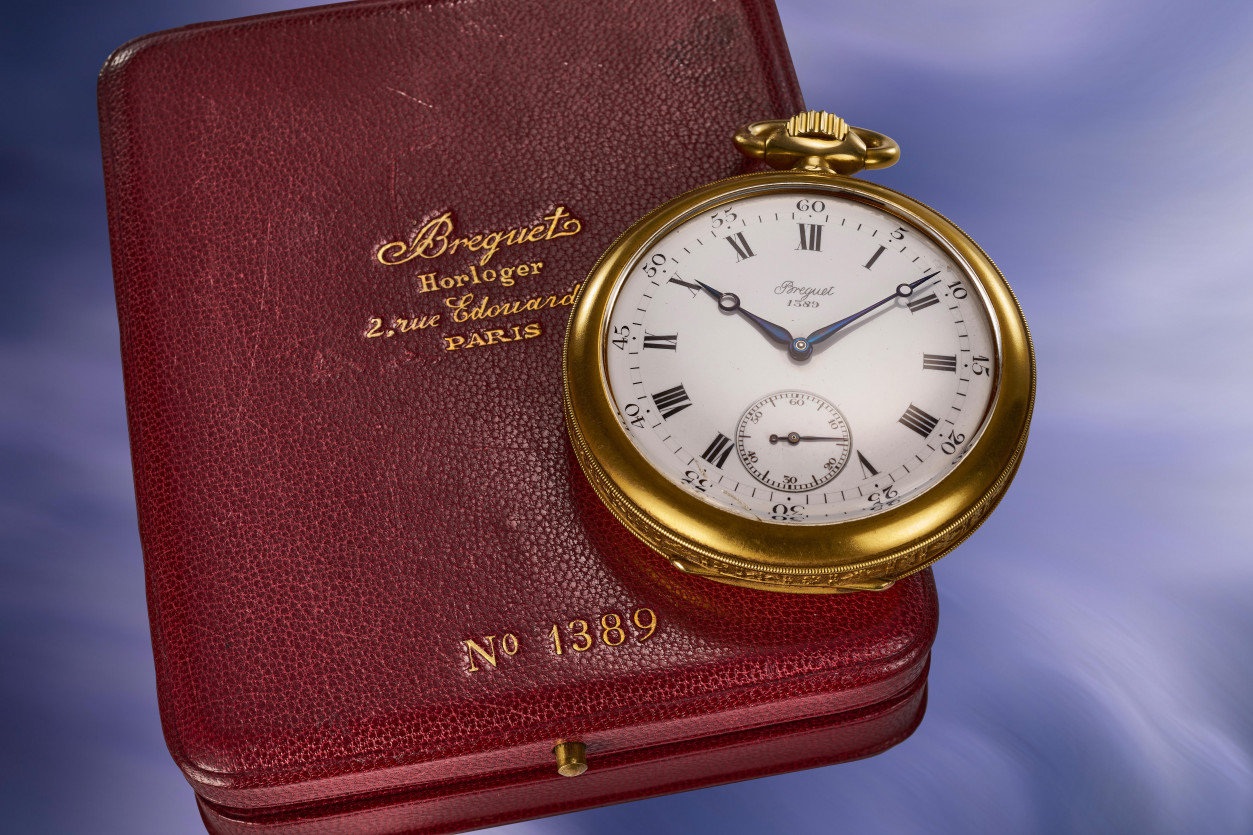
Also included is a tourbillon pocket chronometer by Breguet (Lot 91, Estimate: CHF 70,000–140,000), produced circa 1930. At its heart is a one-minute tourbillon supplied by the specialist James Pellaton, whose work helped define the architecture of high-grade tourbillon regulators of the period. The present example, numbered 1389, was formerly part of the collection of Jean Dollfus, one of the most important Breguet collectors of his time.

Finally, representing the heights of handcrafted chronometry, is a 1935 Karl Geitz school watch (Lot 14, Estimate: CHF 80,000–160,000), created under the tutelage of Alfred Helwig at the Deutsche Uhrmacherschule (DUS) in Glashütte, Germany. Combining a one-minute flying tourbillon with a spring detent escapement, two systems inherently sensitive to disturbance — the watch also incorporates a power reserve indicator and a bimetallic compensating balance.
Its historical significance was cemented in 1937, when it was awarded First Prize in the “Special Class” at the Deutsche Seewarte chronometry trials. Geitz would go on to become one of Germany’s most influential watchmaking educators, founding the Hessische Uhrmacherschule near Frankfurt in 1951, now named in his honor.
These 11 timepieces trace more than a century of experimentation in precision timekeeping, from the late 18th century to the early 20th. Together, they reflect a continuous process of refinement, with each generation of watchmakers proposing new solutions to the same fundamental challenge.
This exceptional collection will be offered as part of the Phillips Geneva Watch Auction: XXIII, taking place at the Hotel President in Geneva on 9 & 10 May 2026.
For more information visit Phillips official website.
Introducing DB28GS Swordfish: The Luxury Dive Watch from De Bethune
Introducing A. Lange & Söhne Continues Celebrating the 25th Anniversary of the Datograph
Introducing Breguet Unveils Its Final 250th-Anniversary Timepiece: Expérimentale 1
Introducing Simon Brette Unveils the Chronomètre Artisans in Stainless Steel
Hands on The New Vacheron Constantin Patrimony Collection
Introducing Moritz Grossmann Presents the TEFNUT Seddiqi 75 Anniversary Edition
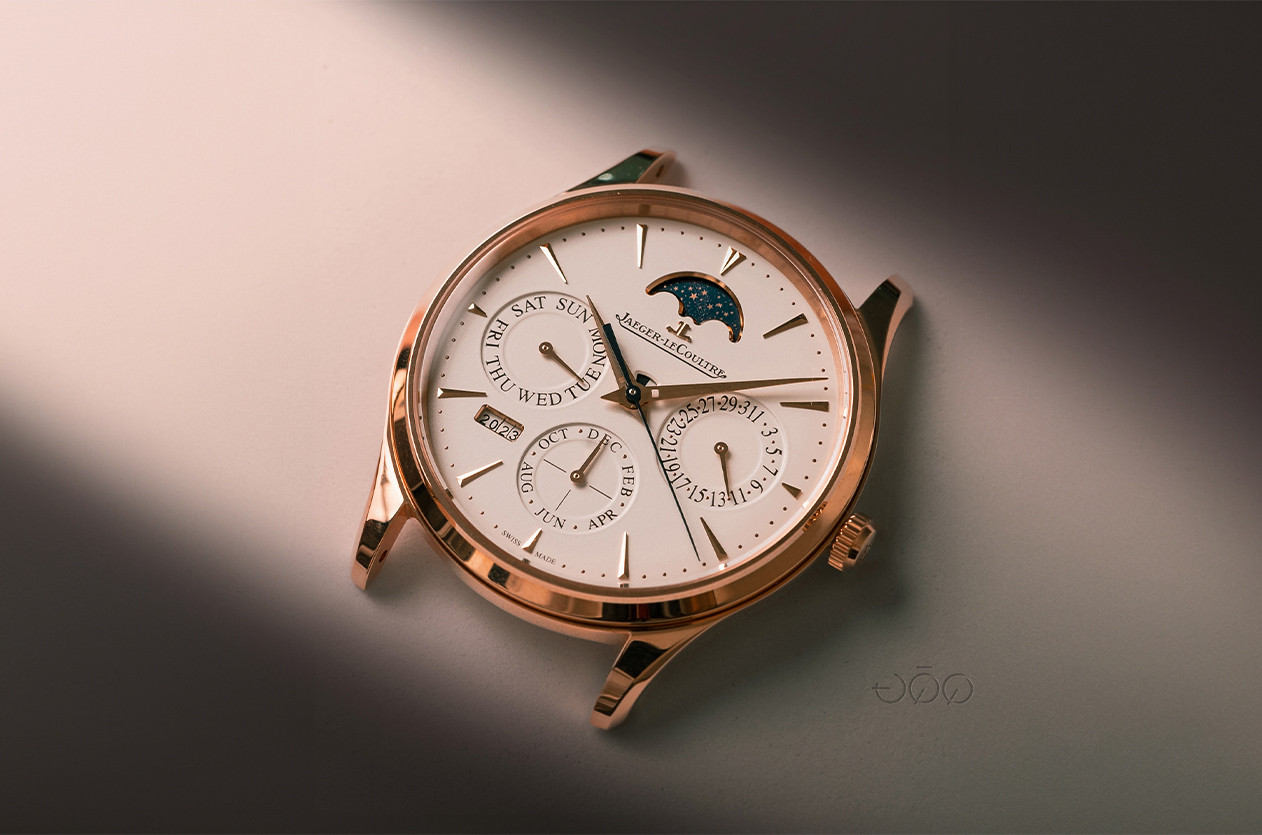
Editorial The Most Sought After Dial Finishing
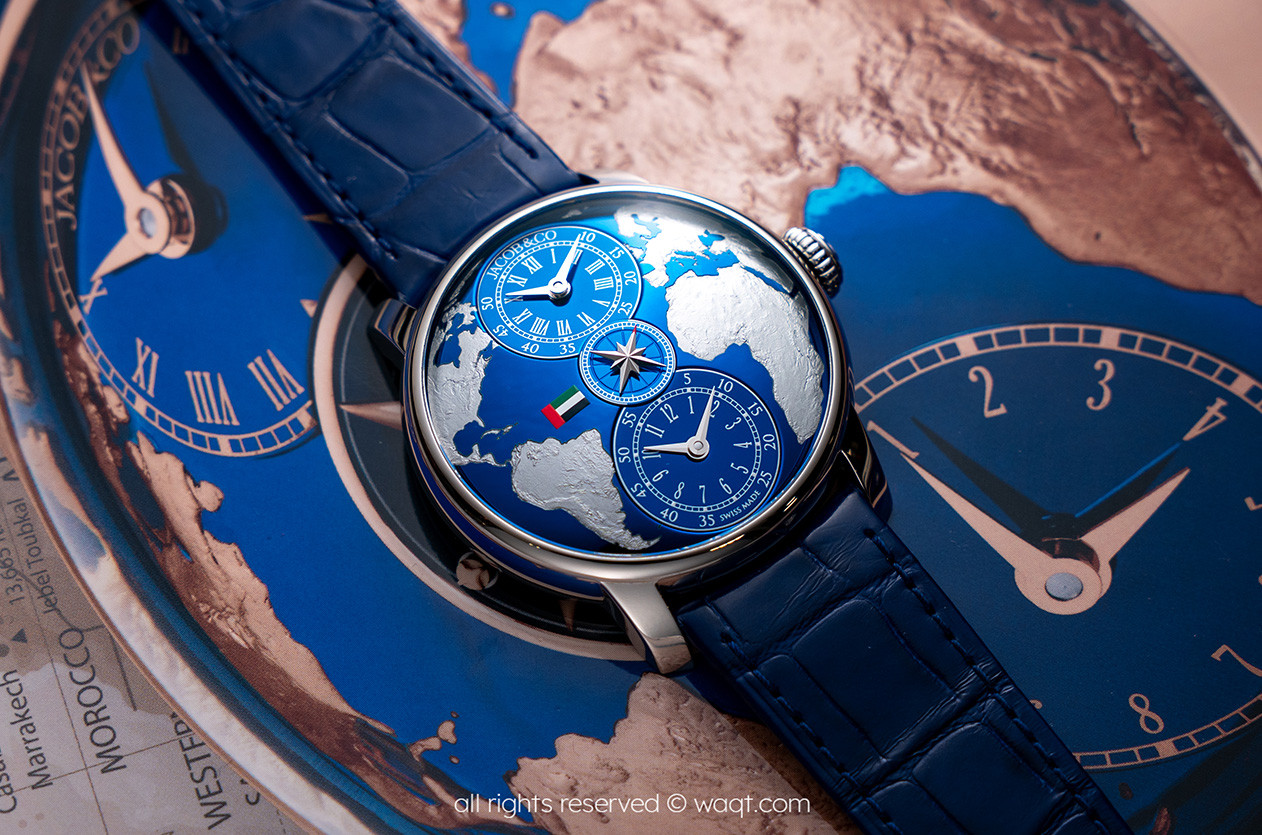
First Look A Special UAE Edition of “The World Is Yours Dual Time Zone”
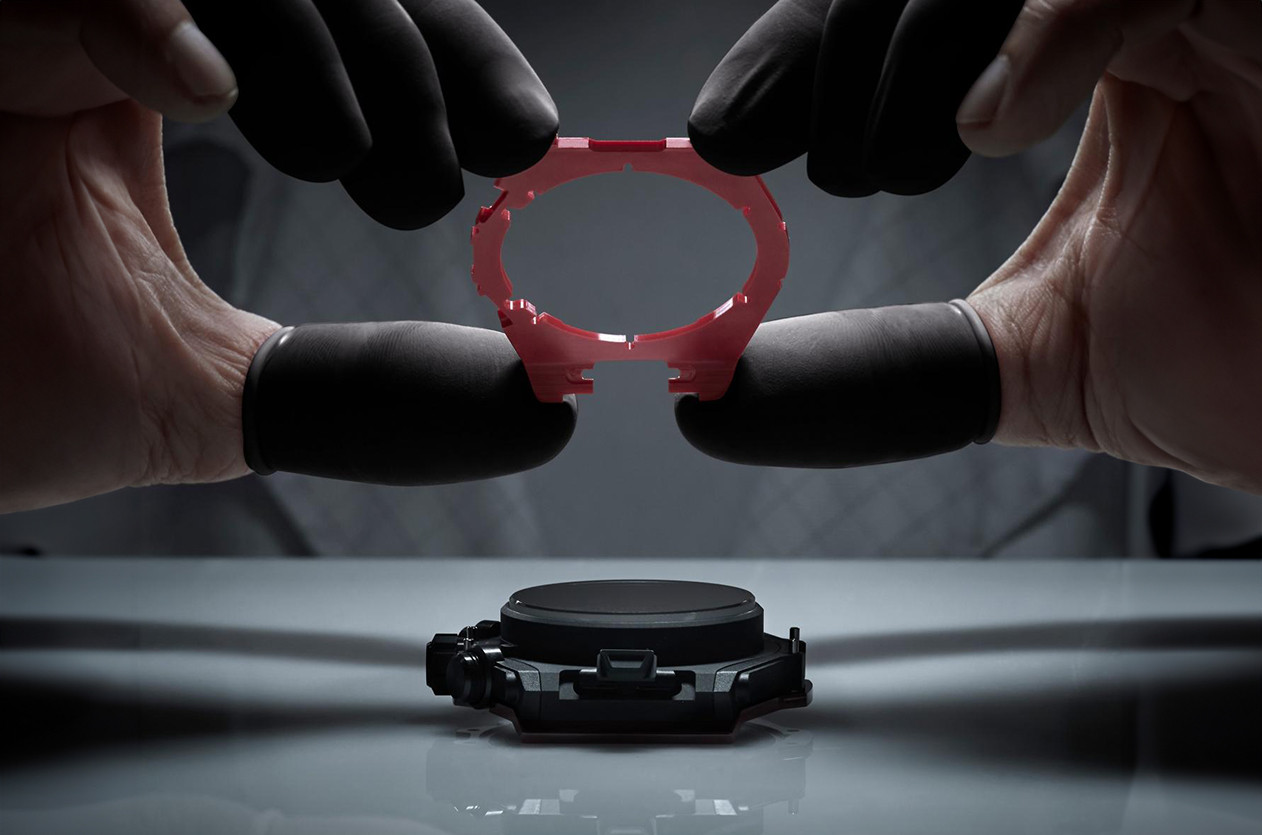
Editorial The Secrets of Watch Case Design

Editorial The Titanium Watch Revolution
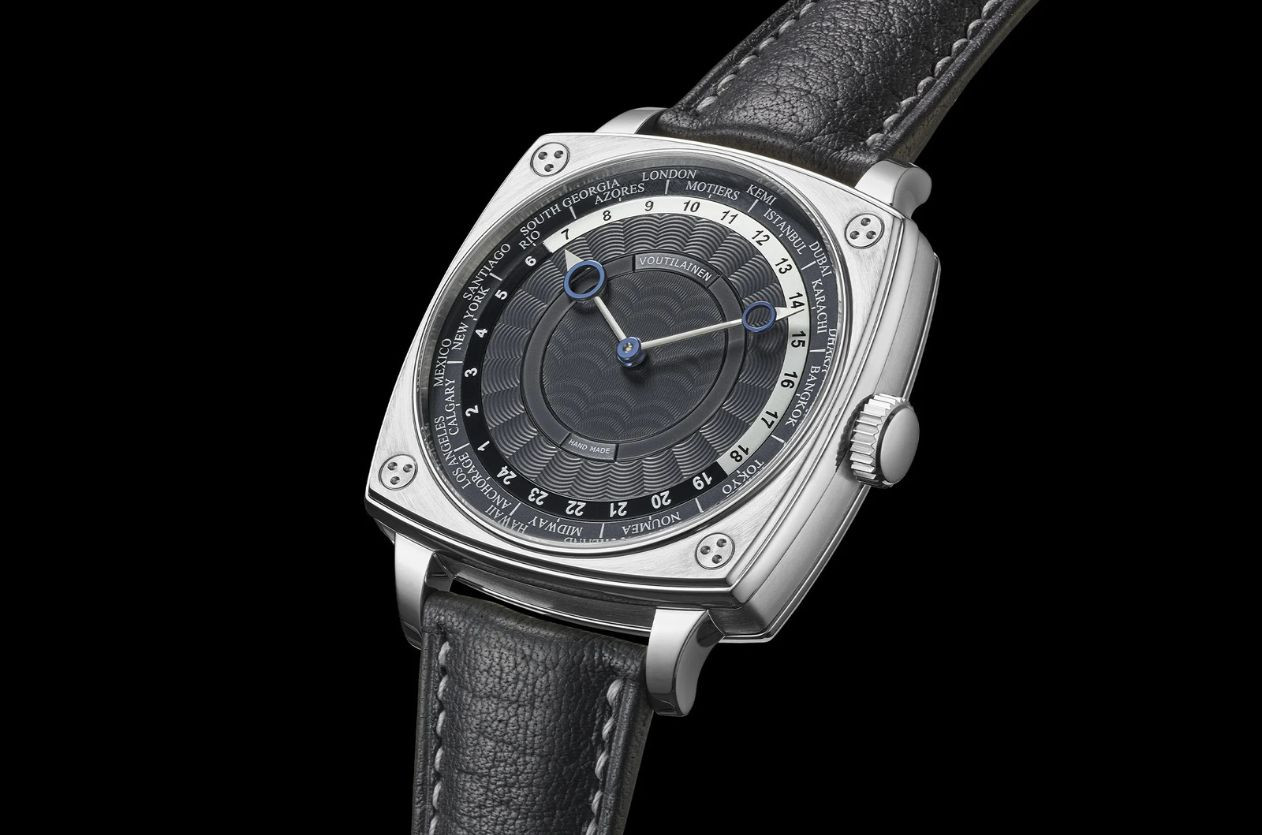
Introducing The Voutilainen CSW or Cushion Shape Worldtime: A Sculpture in Time

Editorial Is Carbon Fiber the Key to Richard Mille and Horacio Pagani’s Success?
Comment Delete Text
This page is available in English only. Please click below to visit Arabic Home page!