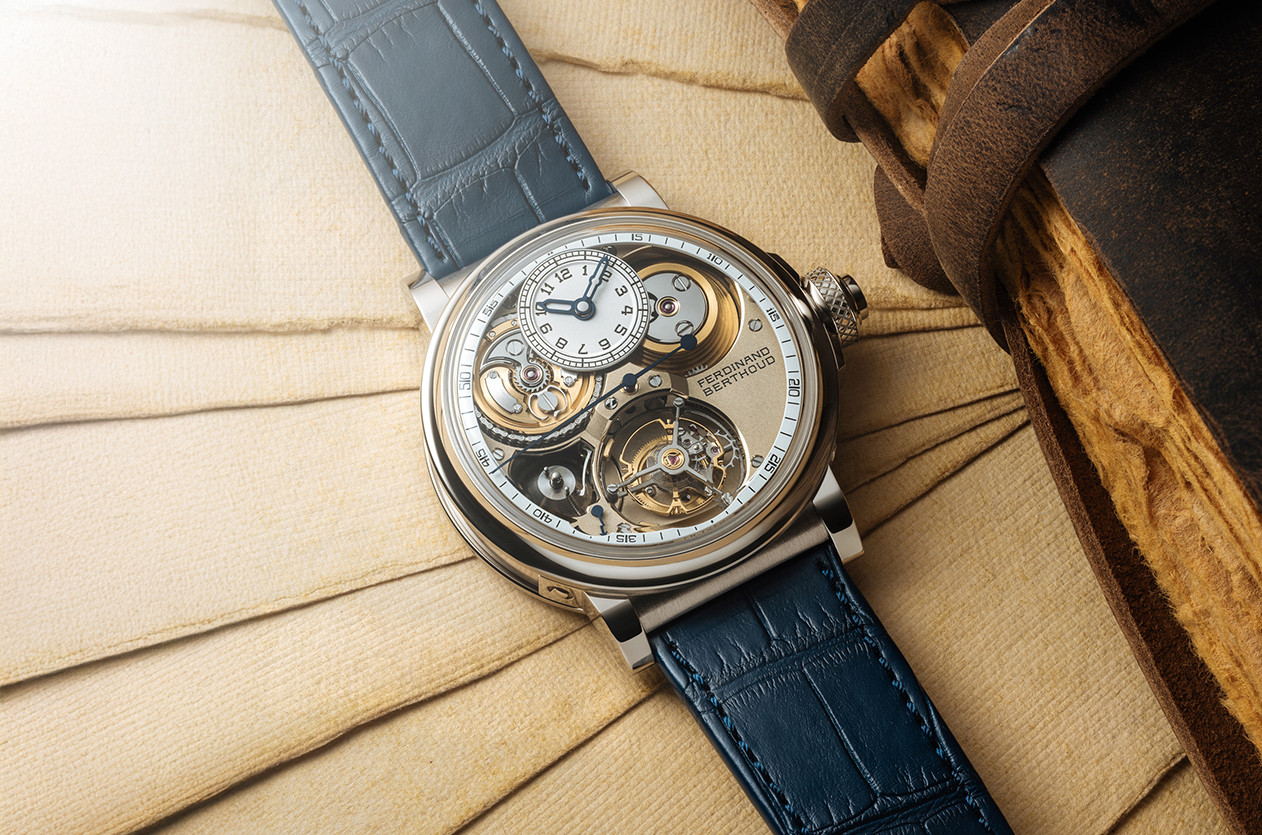
Introducing Ferdinand Berthoud Unveils the Mesure du Temps 1787 Chronomètre FB 2TV
Welcome to the hub of the horoloy
Rolex Tops CHF 11B, Omega Loses Share, Independents Post Biggest Gains

Morgan Stanley’s annual report on the state of the Swiss watch industry, compiled with the support of the Geneva-based consultancy LuxeConsult and based on estimated sales figures for 50 Swiss watch brands, is eagerly awaited each year and attracts significant attention across the industry. this highly detailed report examines how the watch industry has evolved and ranks the top 50 watch brands by turnover and unit sales, based on rigorous estimates
This ninth annual Swiss Watch Industry Report, published by Morgan Stanley in partnership with LuxeConsult, provides a comprehensive overview of market performance in 2025. The sector experienced its second consecutive year of contraction, with export figures declining by 1.7% compared to 2024.
 “2025 was a year of uncertainty, requiring agility, discipline, and strategic clarity from CEOs across the Swiss watch industry,” summarized Oliver Müller, industry expert and owner of LuxeConsult, on his LinkedIn account, where he outlined ten key insights from the report.
Structural polarization continues to intensify. The four largest privately owned Swiss watch brands — Rolex, Patek Philippe, Audemars Piguet, and Richard Mille, increased their combined market share by 2.2 percentage points to reach 49.1%, meaning these manufacturers now control roughly half of the Swiss watch industry.

Shifting dynamics within the luxury segment have reshaped the rankings. Omega fell two places to fifth, overtaken by Audemars Piguet (third) and Patek Philippe (fourth), underscoring the continued strength of the ultra-luxury segment.
The so-called “Club of Billionaires” now counts only six brands. Longines exited the group after sales fell 18% year-on-year to CHF 920 million.
Rolex remains the undisputed market leader, surpassing CHF 11 billion in wholesale sales and gaining 100 basis points in market share, further consolidating its structural dominance despite economic headwinds.

Among listed companies, Cartier delivered an outstanding performance, reinforcing its position as number two with an 8.7% market share (+70 basis points), up from 5.7% in 2019, an increase of 300 basis points.
Within Richemont, portfolio divergences remain evident. The Specialist Watchmakers division recorded a decline of 56 basis points year-on-year (now −273 basis points compared to 2019). IWC Schaffhausen, however, achieved growth of 5 basis points. At the group level, including Cartier, Van Cleef & Arpels, and Montblanc, market share remained essentially stable at 17.6%, largely supported by strong jewelry performance (Cartier +10 basis points; Van Cleef & Arpels +13).
Swatch Group continues to face structural pressure. The group recorded the largest market-share decline in the industry (−216 basis points to 16.1%), bringing its cumulative loss since 2019 to approximately 1,029 basis points. Omega (−8% year-on-year) continued to lose share (−60 basis points), particularly to Rolex.
Premiumization continues to accelerate. Watches priced above CHF 50,000 now account for 37.3% of export value and generated 89% of total growth in 2025, despite representing only 1.4% of total volume. Value creation is increasingly concentrated in the top segment.

Independent brands continue to outperform. As in previous years, Rolex, Patek Philippe, Audemars Piguet, and Richard Mille recorded the largest gains in market share.
LVMH remains the sixth-largest Swiss watch group with a 5.25% market share (−16 basis points). All of its dedicated watch brands recorded declines, including TAG Heuer (−2 basis points), Hublot (−7 basis points), and Zenith (−15 basis points).
Overall, 2025 proved to be a challenging year for the Swiss watch industry, with only a limited number of manufacturers reporting sales growth. The rankings presented in the report are based on estimates rather than figures officially disclosed by the brands.
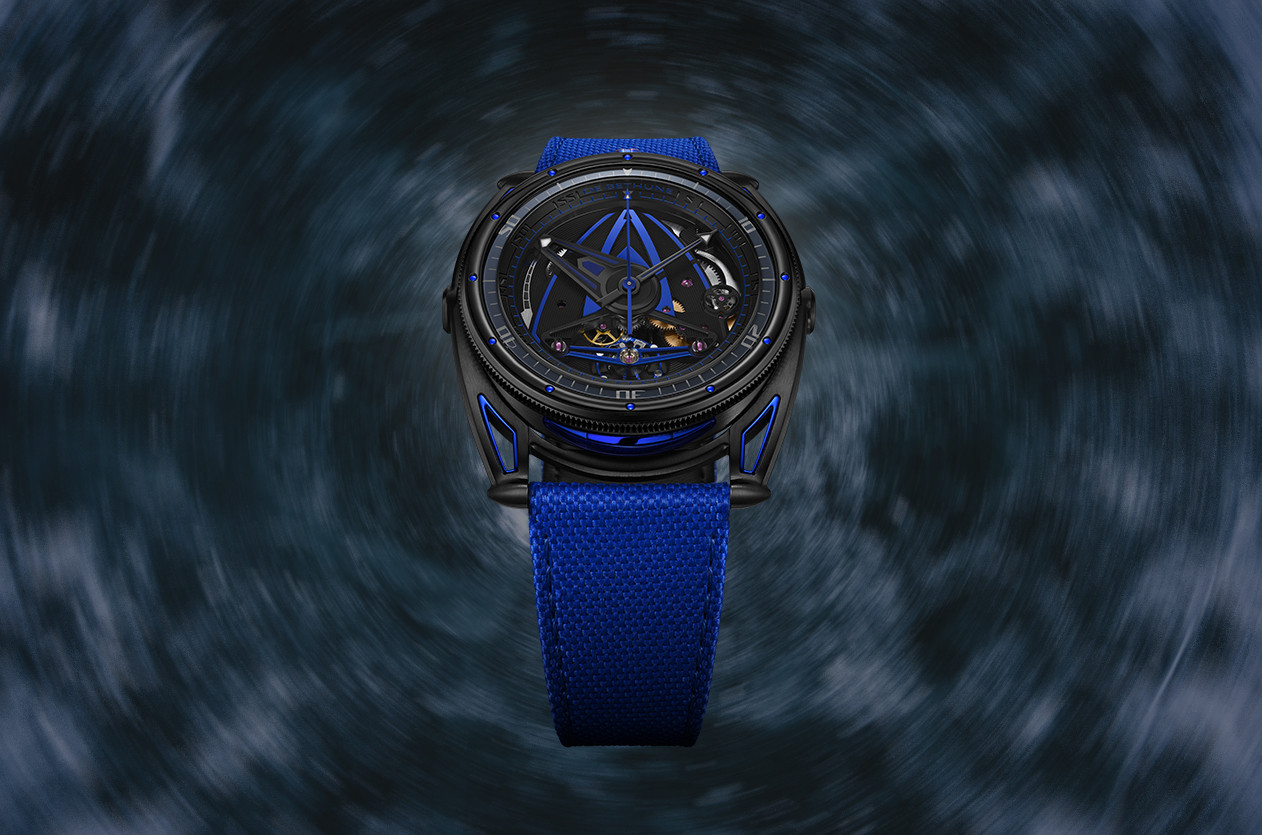
Introducing DB28GS Swordfish: The Luxury Dive Watch from De Bethune
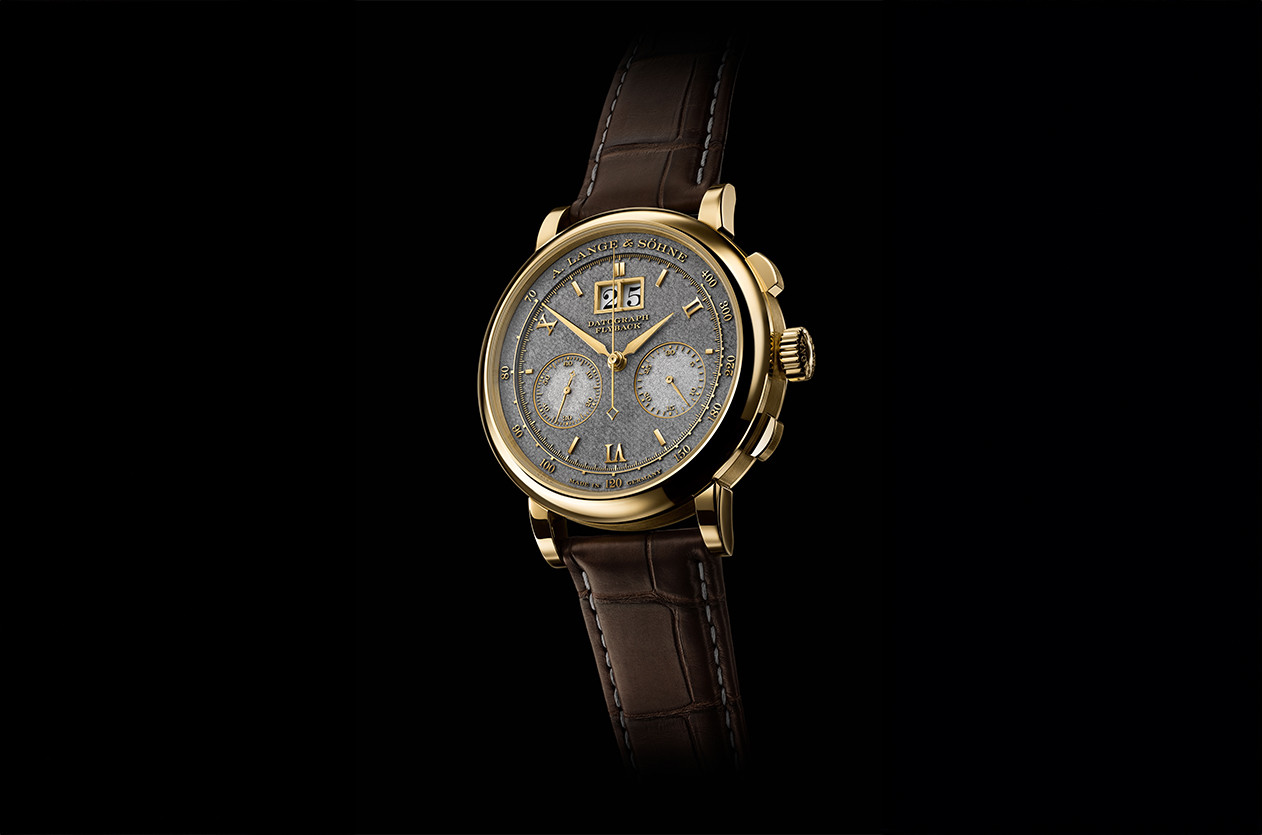
Introducing A. Lange & Söhne Continues Celebrating the 25th Anniversary of the Datograph
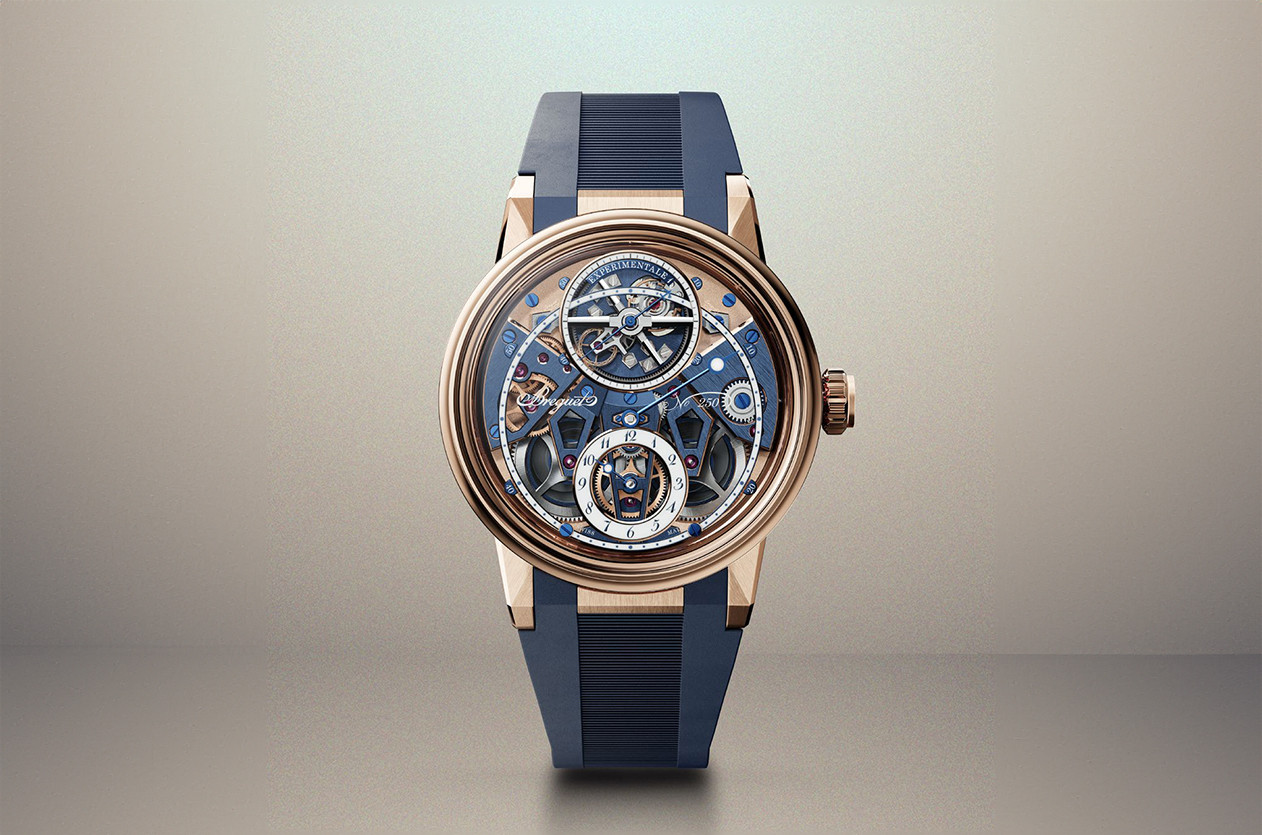
Introducing Breguet Unveils Its Final 250th-Anniversary Timepiece: Expérimentale 1
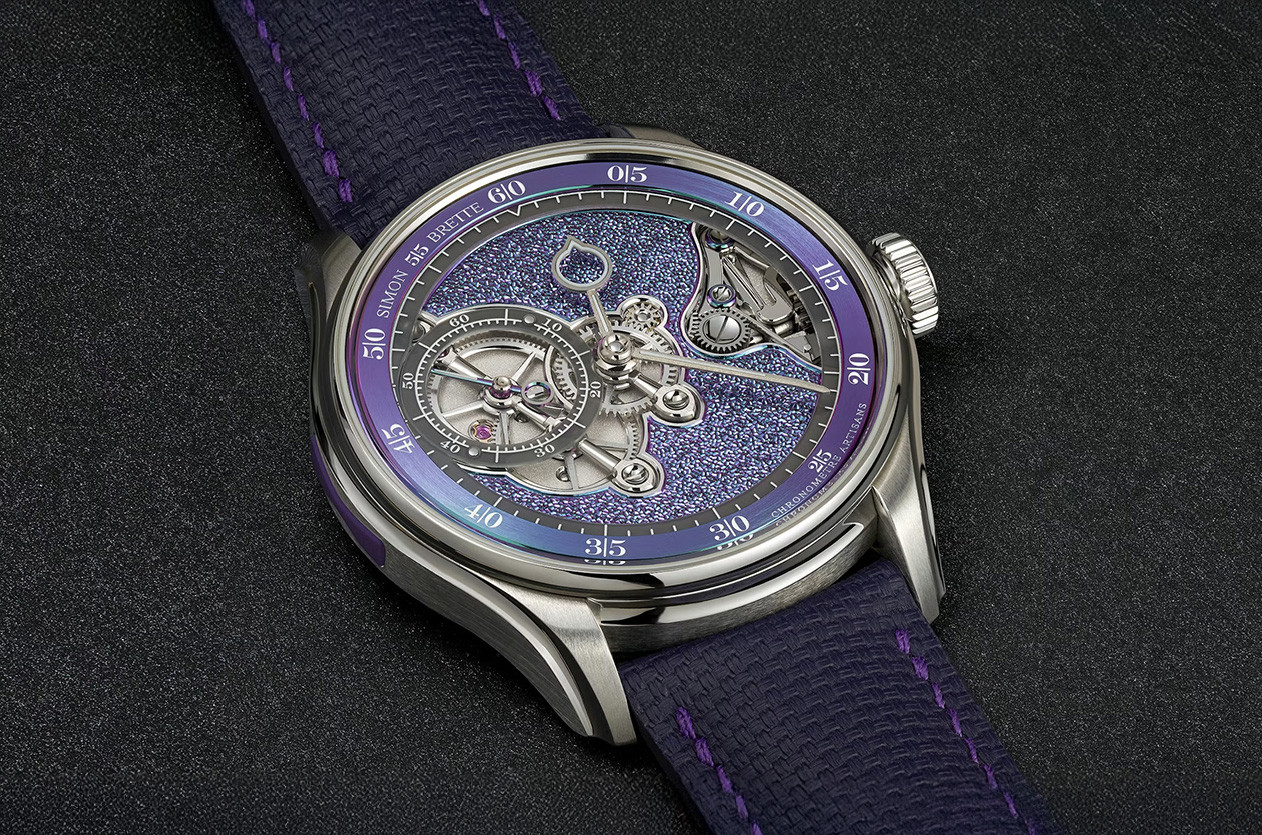
Introducing Simon Brette Unveils the Chronomètre Artisans in Stainless Steel
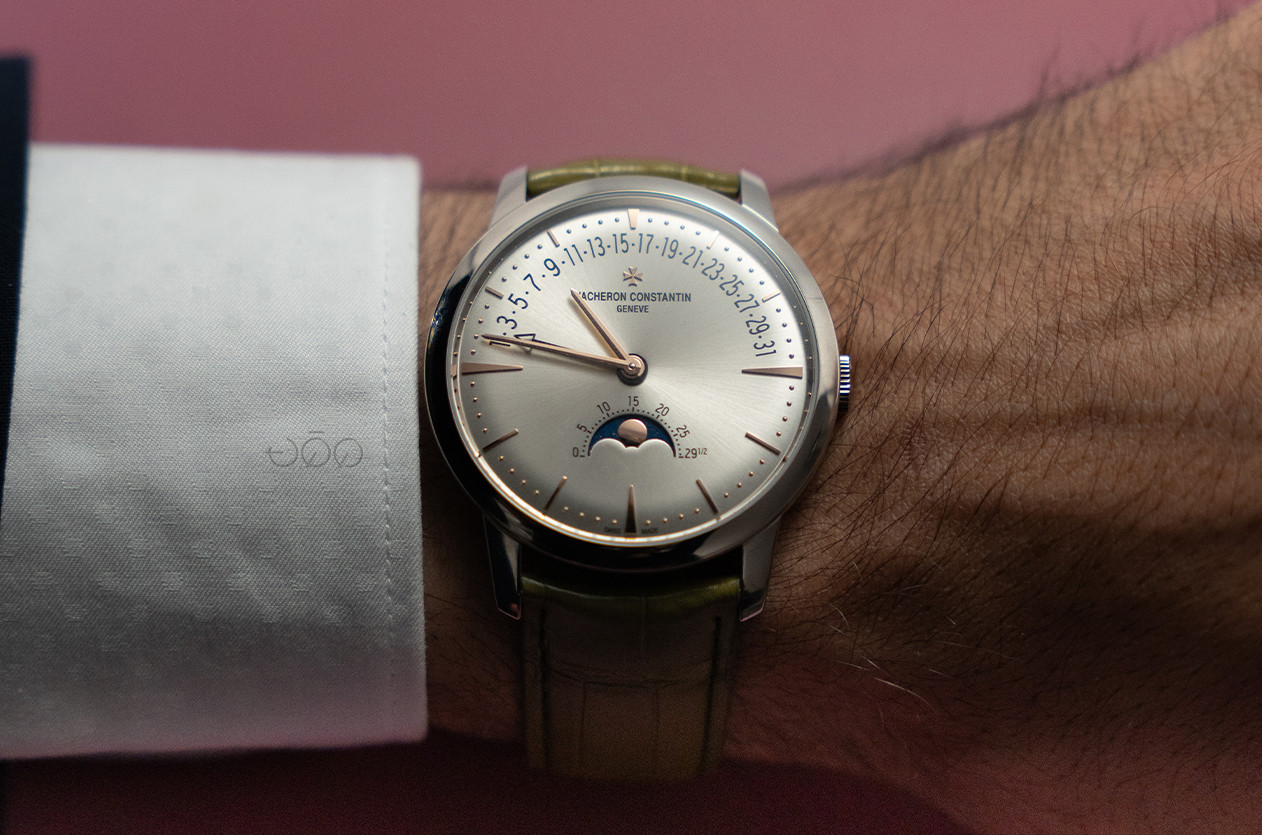
Hands on The New Vacheron Constantin Patrimony Collection
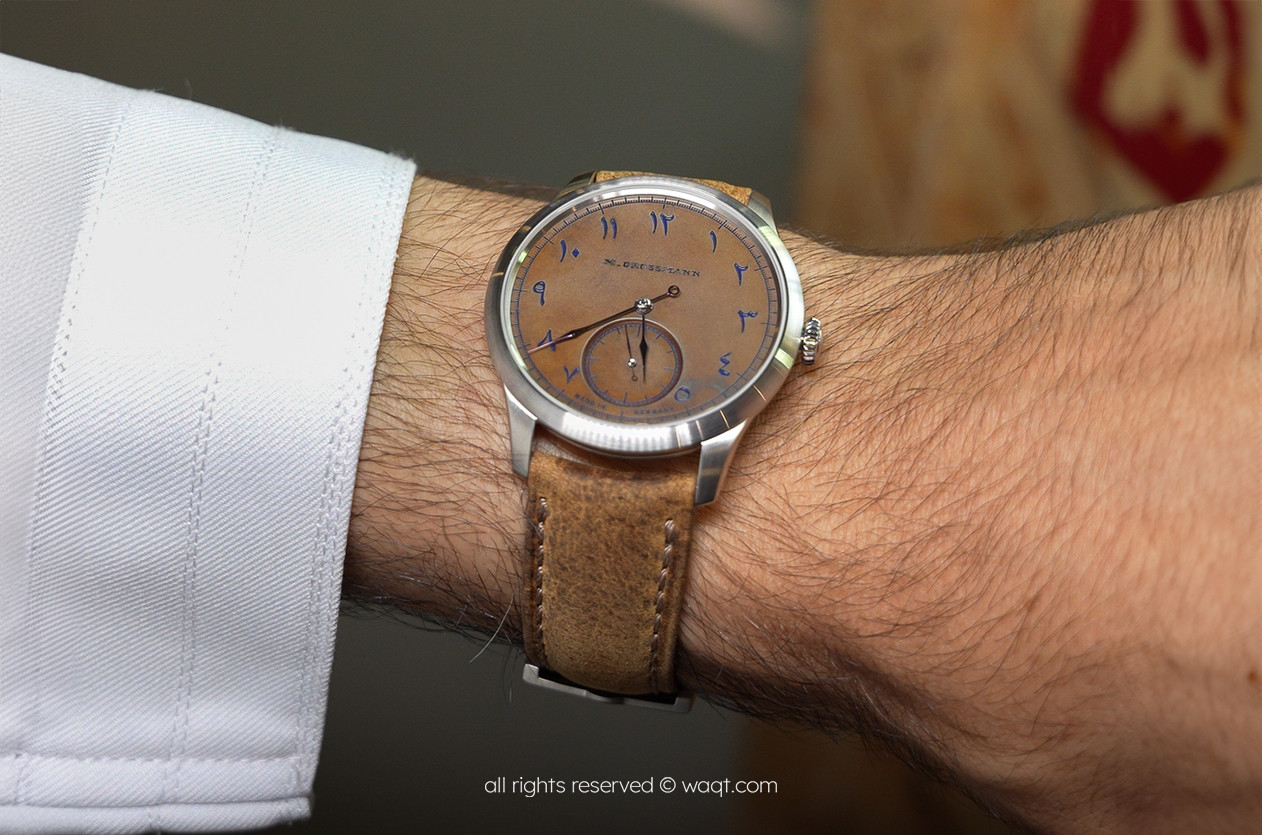
Introducing Moritz Grossmann Presents the TEFNUT Seddiqi 75 Anniversary Edition
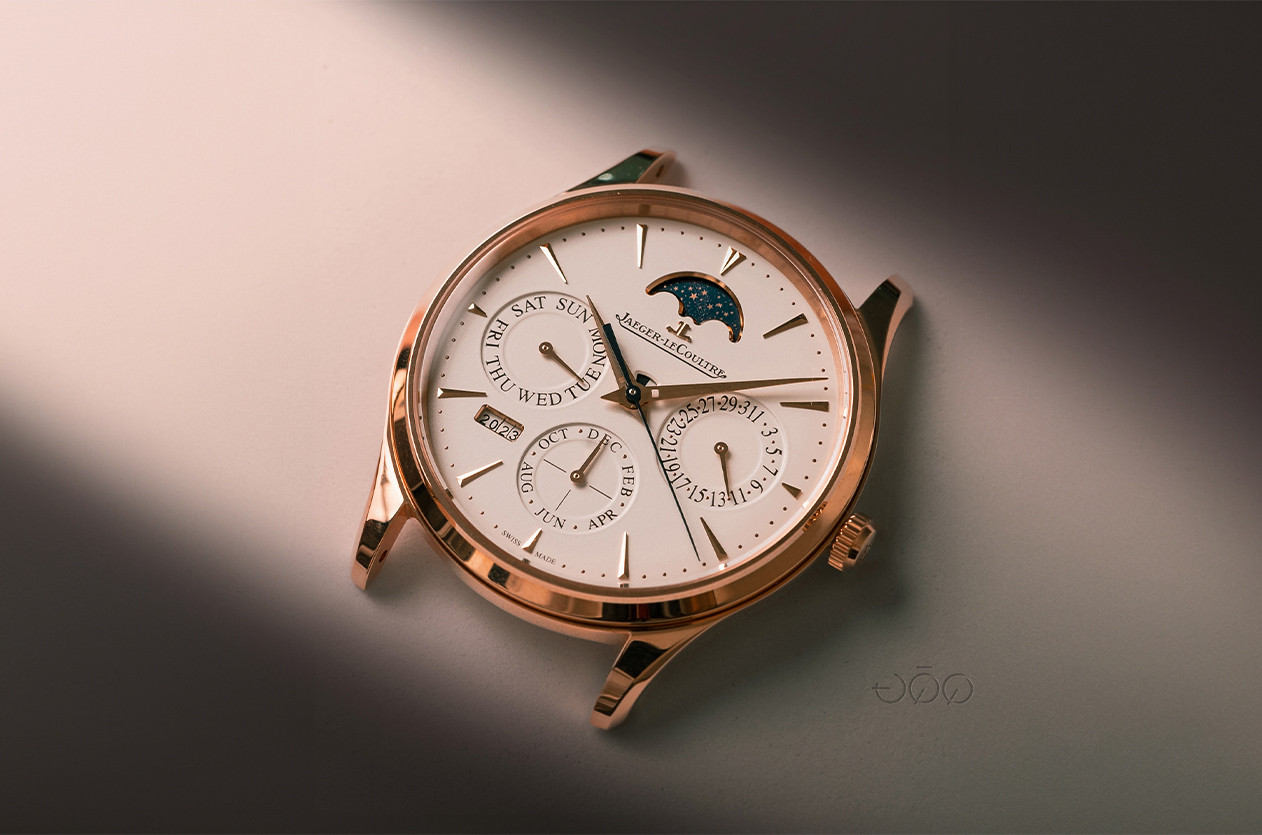
Editorial The Most Sought After Dial Finishing
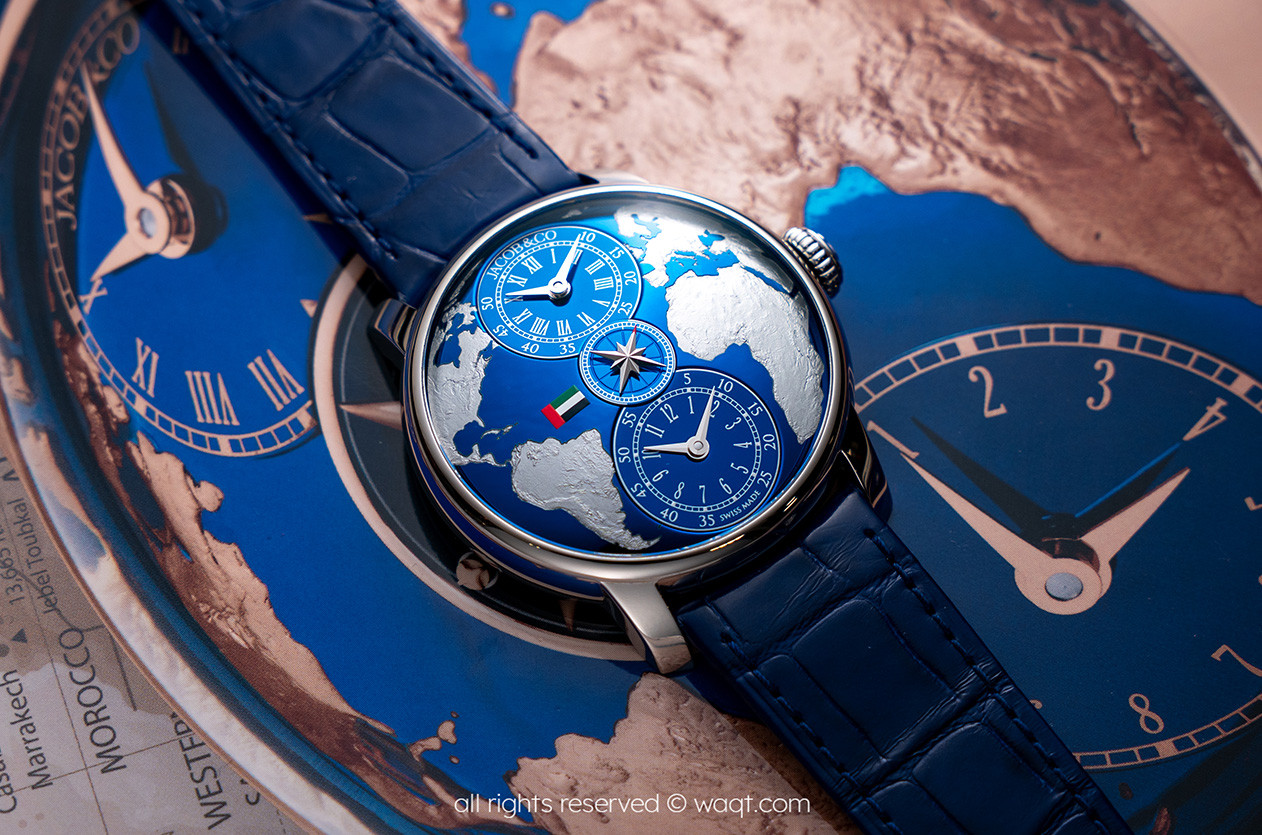
First Look A Special UAE Edition of “The World Is Yours Dual Time Zone”
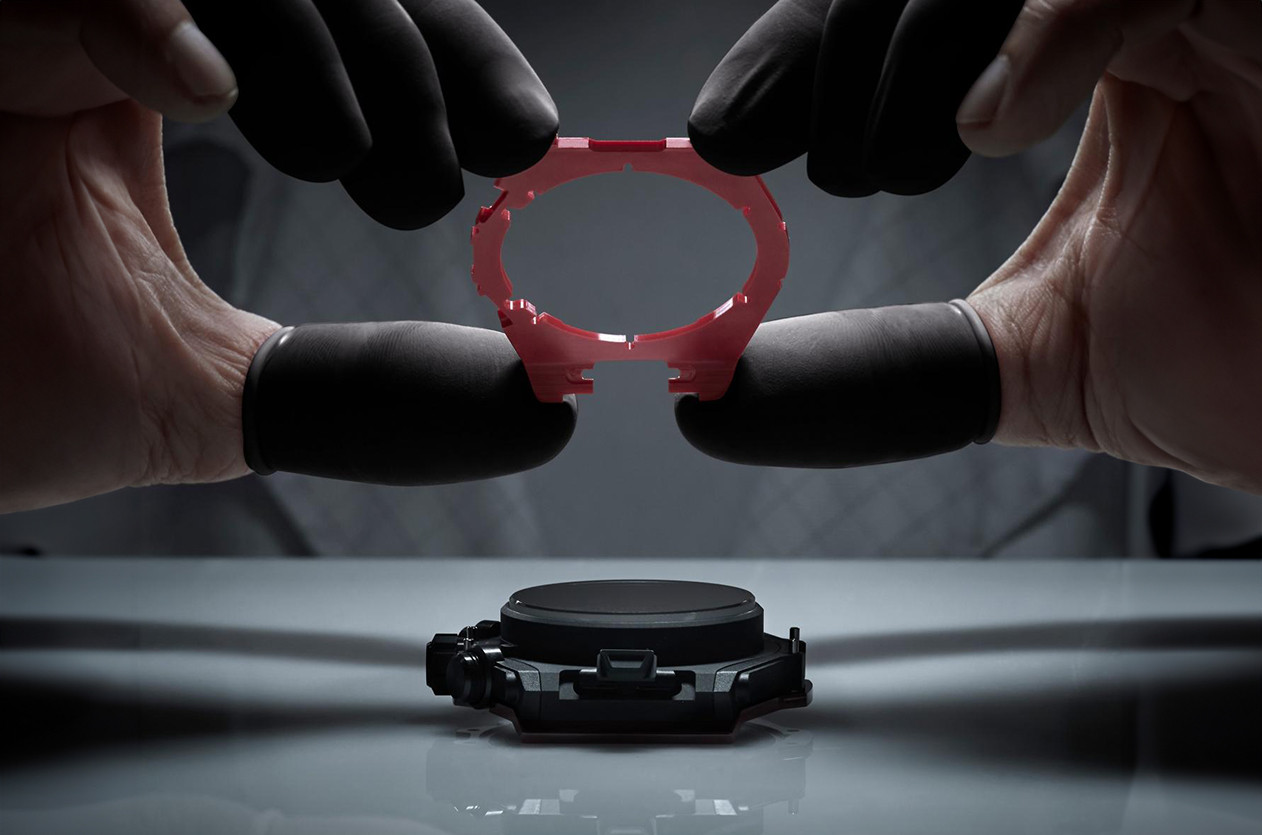
Editorial The Secrets of Watch Case Design

Editorial The Titanium Watch Revolution
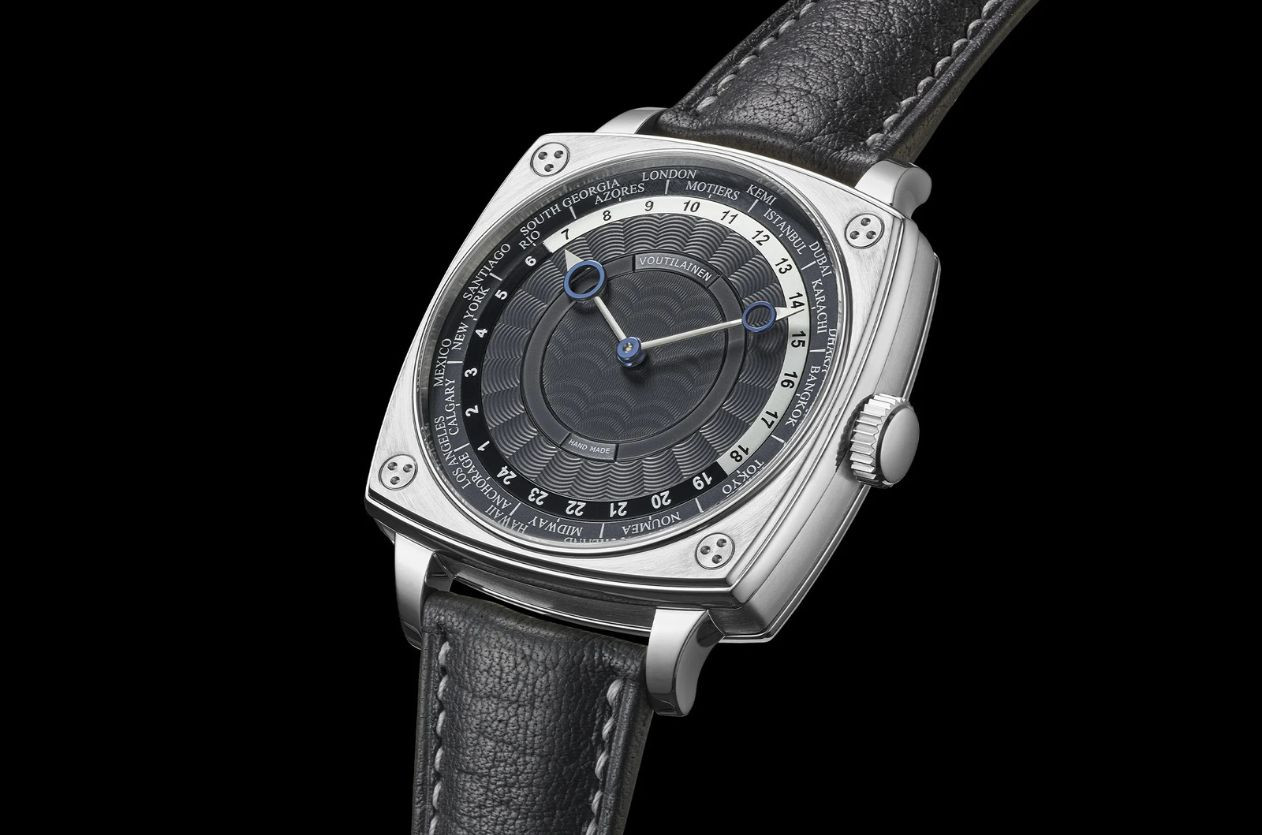
Introducing The Voutilainen CSW or Cushion Shape Worldtime: A Sculpture in Time
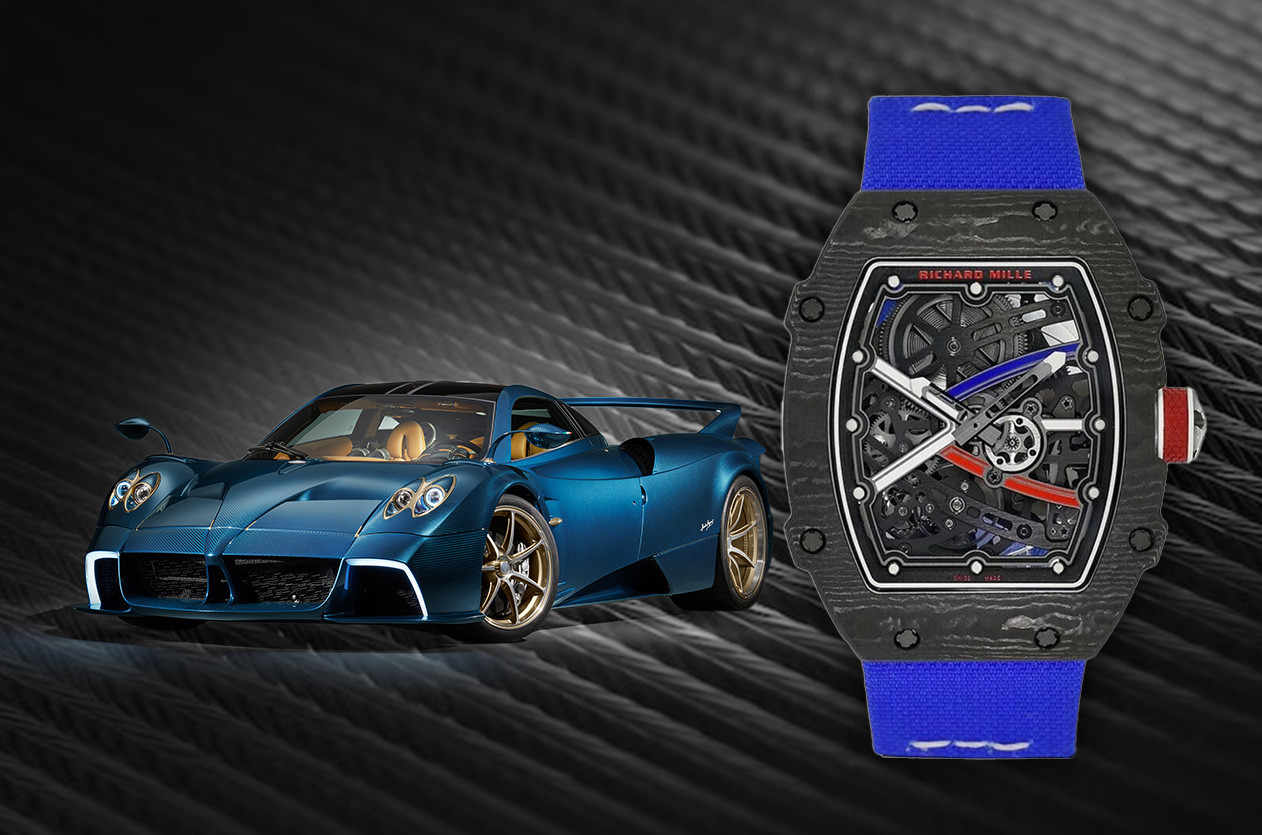
Editorial Is Carbon Fiber the Key to Richard Mille and Horacio Pagani’s Success?
Comment Delete Text
This page is available in English only. Please click below to visit Arabic Home page!