Introducing Breguet Refreshes the Tradition Collection with a Modern Touch
Welcome to the hub of the horoloy
Showcasing the maison’s craftsmanship within the Escales Autour Du Monde pocket watch collection
Louis Vuitton’s La Fabrique du Temps watchmaking facility in Geneva initiated, a few years ago, a project centered on a pocket watch that would serve as the foundation for a series of artistically unique automaton minute-repeater creations. Designed as part of the brand’s Escale family of timepieces, the Escale pocket watch was conceived as a platform through which Louis Vuitton could celebrate its finest crafts and most sophisticated decorative techniques.
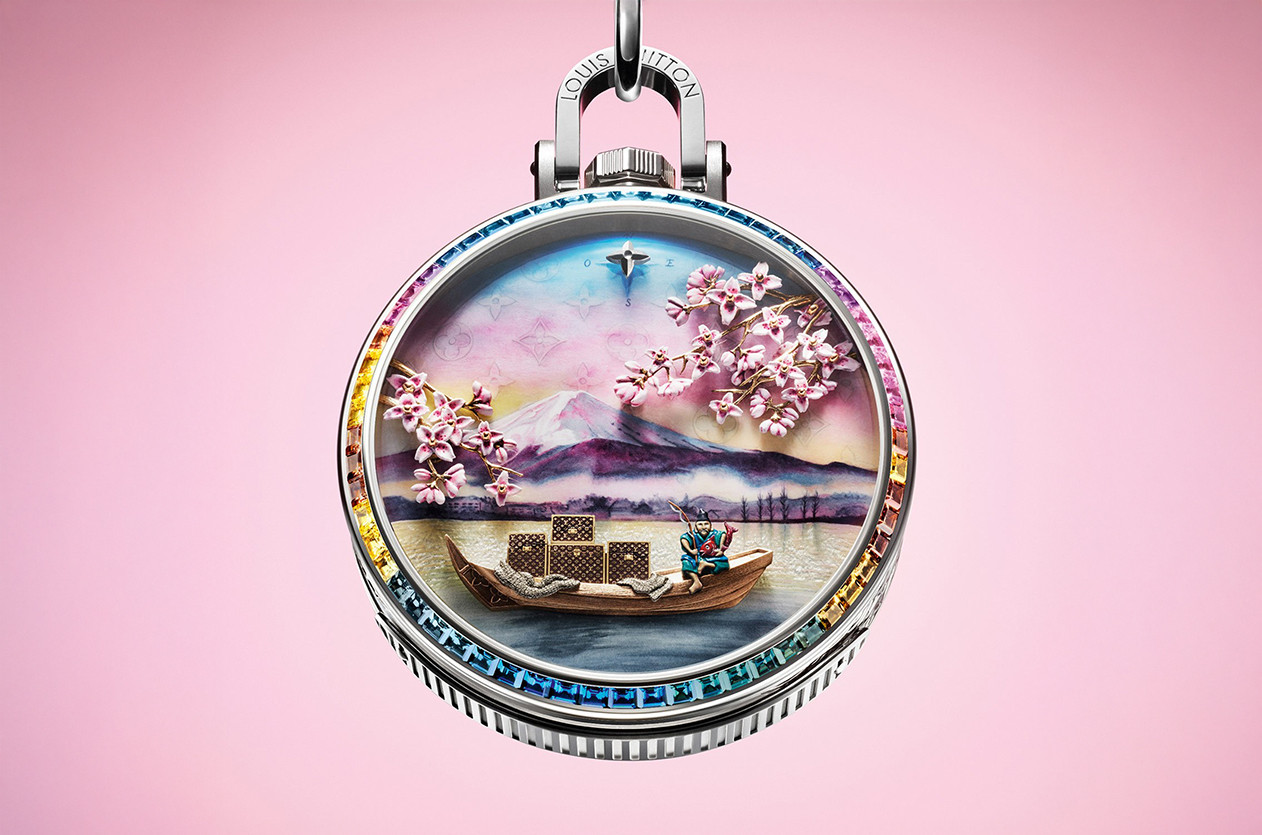
 The resulting Louis Vuitton Escales Autour Du Monde pocket watches are remarkable works of art. Today, Louis Vuitton unveils a new unique piece in this exceptional series. This particular one-off creation is the Louis Vuitton Escales Autour Du Monde – Escale Au Mont Fuji. As its name suggests, the dial celebrates a springtime view of Japan’s iconic Mount Fuji.
 The hand-painted enamel dial features a delicate pastel background, presenting a miniature landscape of the mountain set against what could be described as a subtle “Louis Vuitton logo texture.” The brand places great importance on incorporating its recognizable design codes, and this textured backdrop serves that purpose. Aside from the pattern visible on the miniature luggage trunks positioned on the boat within the composition, nothing else on the dial explicitly references Louis Vuitton. In the foreground, hand-engraved gold sakura cherry blossoms are carefully painted in vibrant shades of pink, adding depth and visual poetry to the scene.
Measuring 50 mm in diameter and 19 mm in thickness, the external housing is milled entirely from a solid block of 18-karat white gold. This metal was specifically selected for its density, which provides superior acoustic properties for the internal striking gongs compared to softer metals or titanium.
 The case architecture features a smooth front bezel that transitions into deeply textured flanks adorned with overlapping wave patterns cut directly into the metal. Creating this continuous motif required forty hours of manual material removal, using hardened steel burrs to carve away the negative space. The top of the case features a massive fluted winding crown nestled within a fully articulated suspension ring that pivots on polished steel pins. The large dimensions of the crown are functionally necessary, providing sufficient leverage to wind the powerful mainsprings and overcome their considerable tension.
A closer look at the front bezel reveals a continuous channel set with 60 rectangular-cut sapphires, totaling 3.74 carats. These stones are carefully selected and arranged in a color gradient that transitions from light blue at the bottom, through yellow and orange, and finally into deep blue at the top. This external color transition is precisely calculated to echo the painted artwork positioned beneath the domed sapphire crystal.
 Because the time-telling hands have been relocated to the rear of the watch, the entire front section functions as a stage for the mechanical animations. The primary background depicts a mountainous landscape set against a layered sky created by firing powdered colored glass onto a metal base disc. Achieving the seamless gradient required dozens of glass applications and multiple kiln firings at extremely high temperatures.
Protected beneath the crystal, the foreground of the dial houses the main mechanical animation components crafted from yellow gold and specialized glass layers. The lower portion depicts a body of water created by embedding a sheet of silver foil beneath translucent layers of blue and green glass, producing a striking reflective effect. Floating above this surface is a finely carved boat carrying a fisherman figure alongside several stacked travel trunks decorated with micro-engraved floral patterns.

When the user activates the side-mounted slide lever, the mechanical animation sequence begins, drawing energy directly from the movement. The wooden boat glides horizontally across the dial, the gold travel trunks open to reveal miniature interior details, and a compass star positioned at the top of the dial spins rapidly on its central axis. The extreme miniaturization of the fisherman figure required the engravers to create specialized cutting tools from raw steel stock in order to carve the microscopic facial details.
 Powering this complex mechanical system is the manually wound Calibre LFT AU14.03, developed and assembled by La Fabrique du Temps Louis Vuitton. This entirely proprietary movement consists of 561 components. Despite the significant energy demands created by the four dial animations and the acoustic striking system, the movement provides an impressive eight-day power reserve, equivalent to 192 hours, on a single full winding.
This substantial autonomy is achieved through the use of an oversized mainspring barrel occupying a large portion of the upper bridge structure. The movement operates at a frequency of 3 Hz.
 The movement architecture also reverses traditional watchmaking layout by positioning the time-indicating hands on the rear of the watch. Two flame-blued steel hands display the hours and minutes against an unmarked perimeter, providing the sole method of reading the time.
The structural bridges securing the gear train are machined from brass, coated with bright rhodium plating, and decorated with thick parallel Geneva stripes. Every structural component, regardless of its position within the case, features hand-cut and polished bevels along its edges. The large ratchet wheel positioned above the mainspring barrel is machined into a concave bowl shape and polished to a flawless mirror finish, a process requiring three weeks of continuous finishing work.
Traditional haute horlogerie finishing techniques are applied throughout the movement, including circular graining on the base plate and directional brushing on all flat steel levers.

Accompanying the timepiece is an articulated white-gold chain designed to secure the watch to a garment pocket. Each link is individually cast, assembled, and polished to match the bright finish of the case bezel and suspension ring. A robust clasp allows the user to anchor the heavy gold housing securely.
The pocket watch is delivered with a custom-built hard-sided travel trunk, finished in light blue leather that echoes the tones of the dial. Produced at the manufacturer’s historic luggage workshop, the wooden-framed case features polished brass corner guards and a locking latch mechanism. The set also includes a soft leather transport bag with a central mounting system designed specifically to secure the pocket watch during transport.
Produced strictly as a single unique piece, this pocket watch will not enter standard production or be distributed through the brand’s global retail network. Creations of this mechanical complexity and artistic richness are typically commissioned directly by collectors or produced as singular demonstrations of the manufacture’s highest technical and artistic capabilities.
For more information visit Louis Vuitton’s official website.
Introducing DB28GS Swordfish: The Luxury Dive Watch from De Bethune
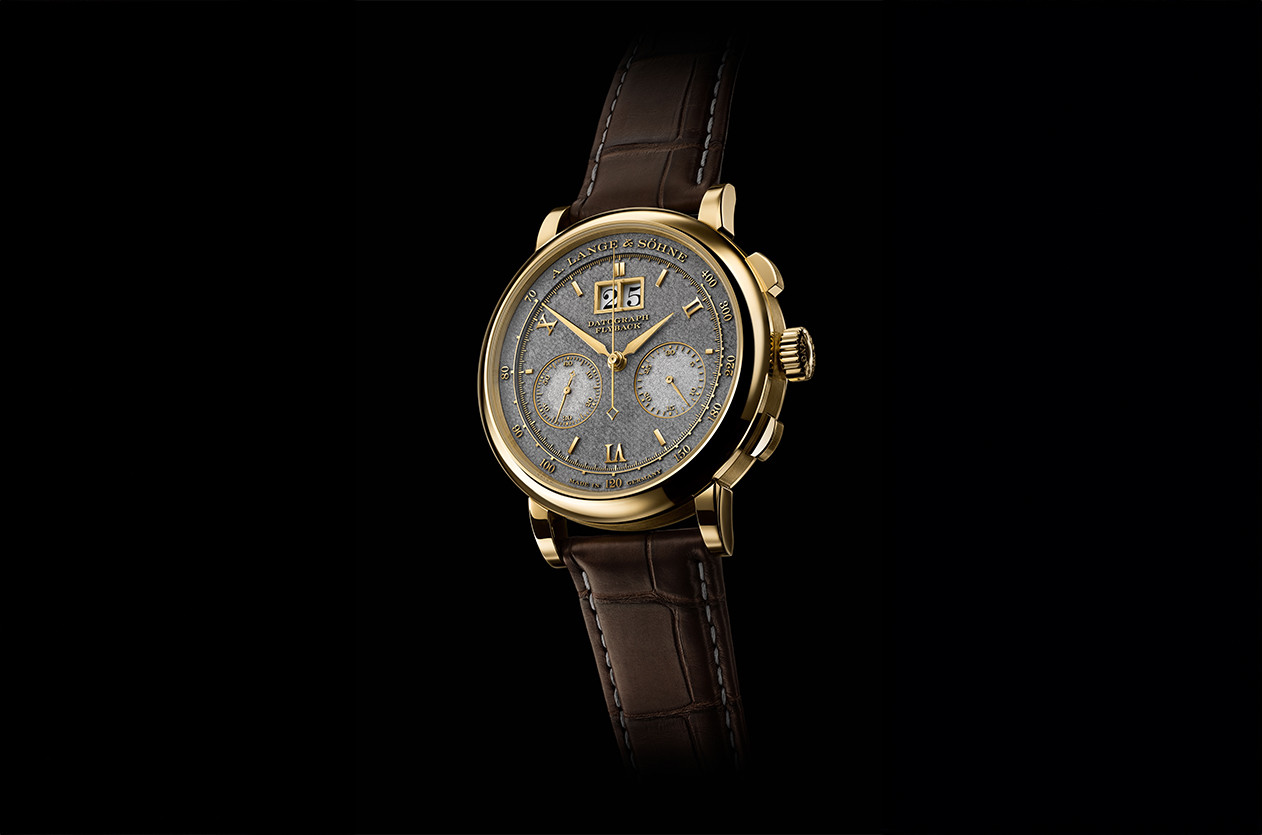
Introducing A. Lange & Söhne Continues Celebrating the 25th Anniversary of the Datograph
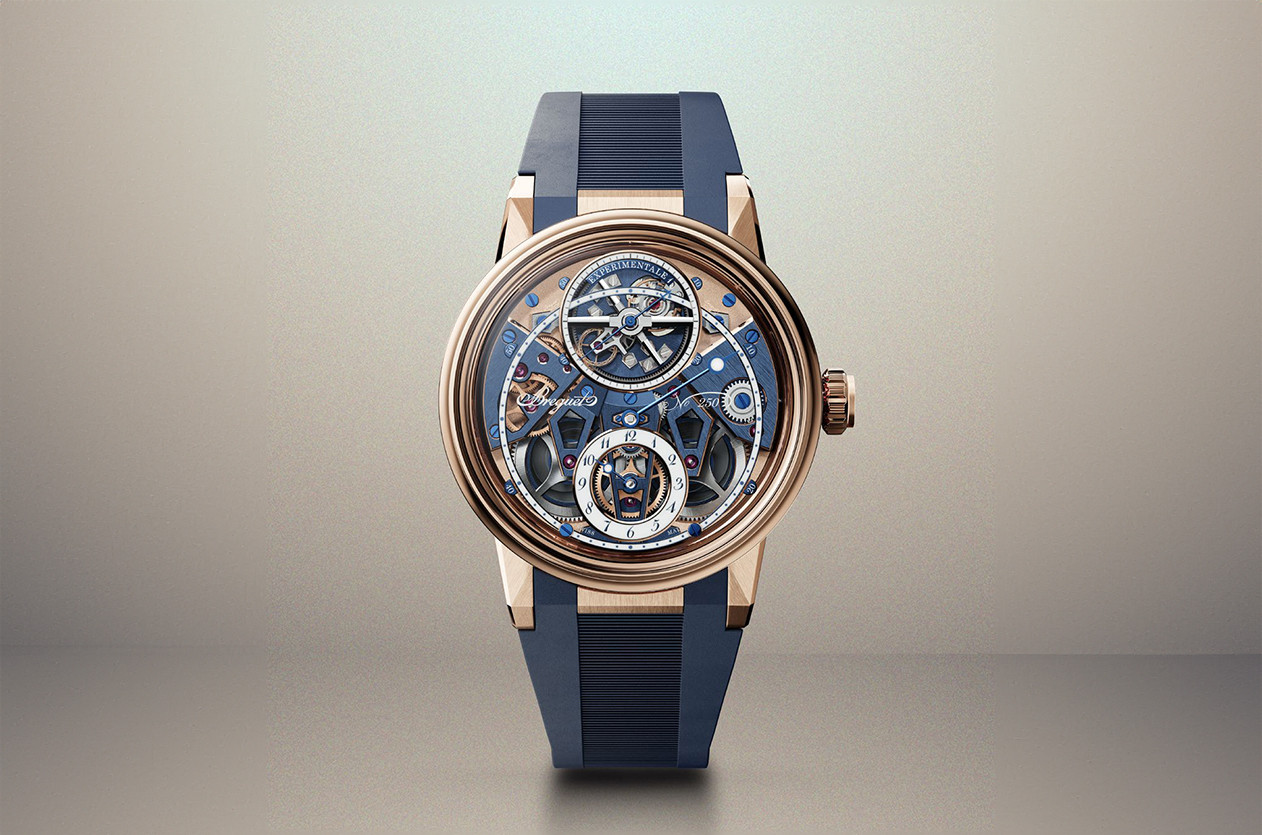
Introducing Breguet Unveils Its Final 250th-Anniversary Timepiece: Expérimentale 1
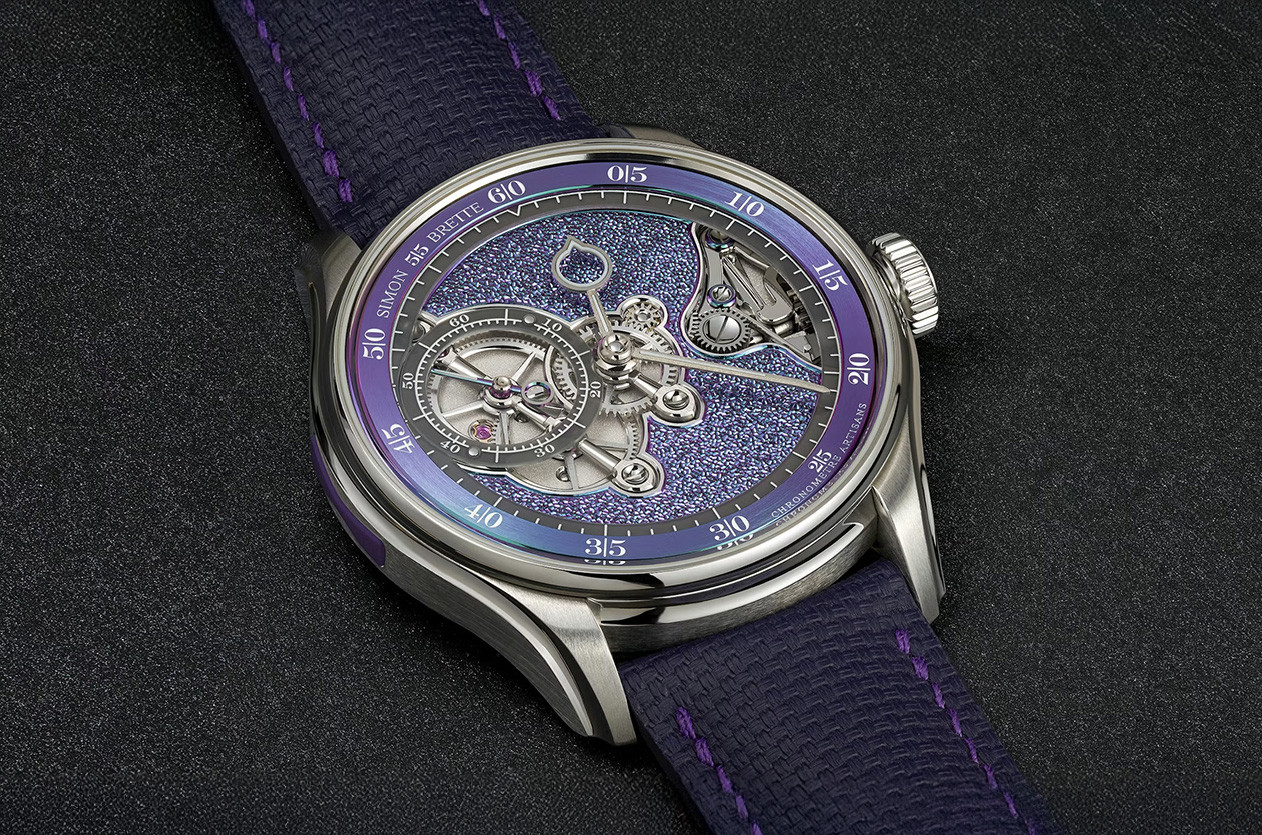
Introducing Simon Brette Unveils the Chronomètre Artisans in Stainless Steel
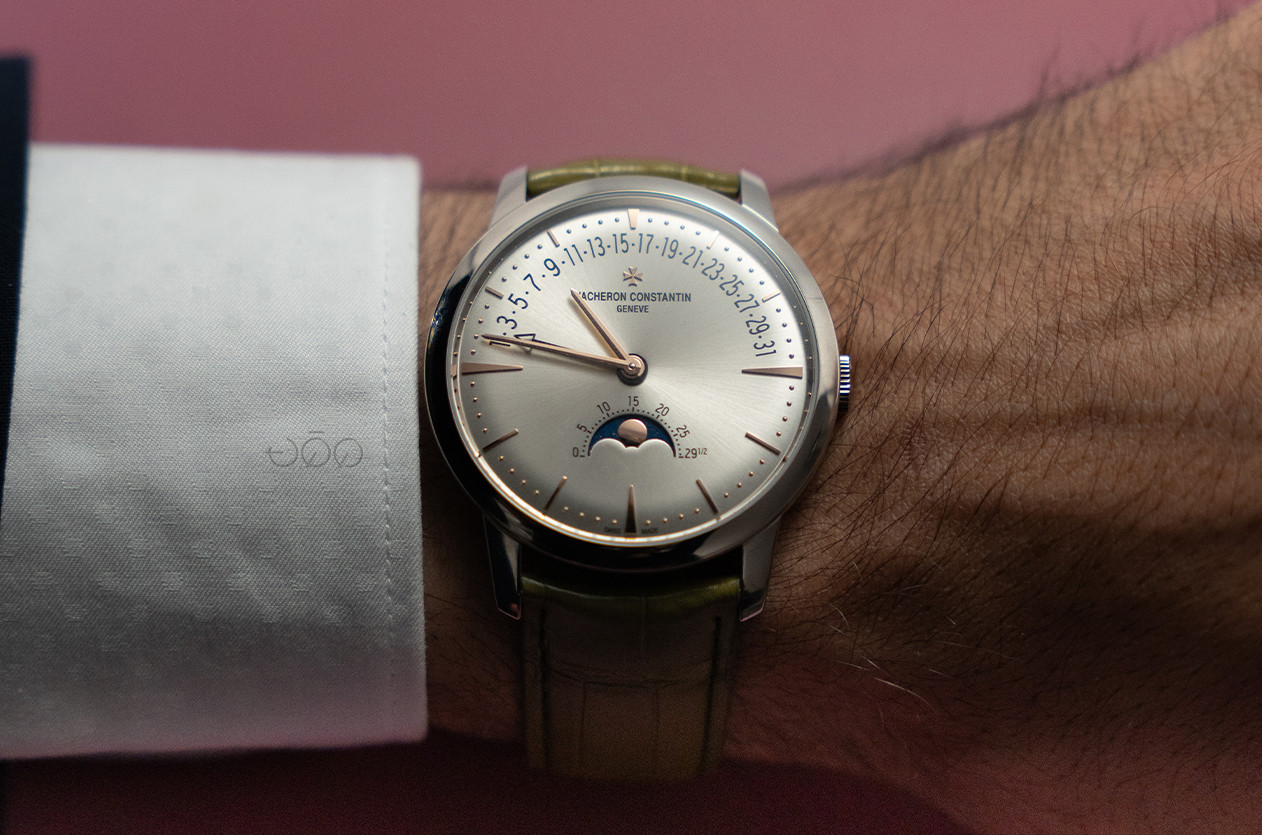
Hands on The New Vacheron Constantin Patrimony Collection
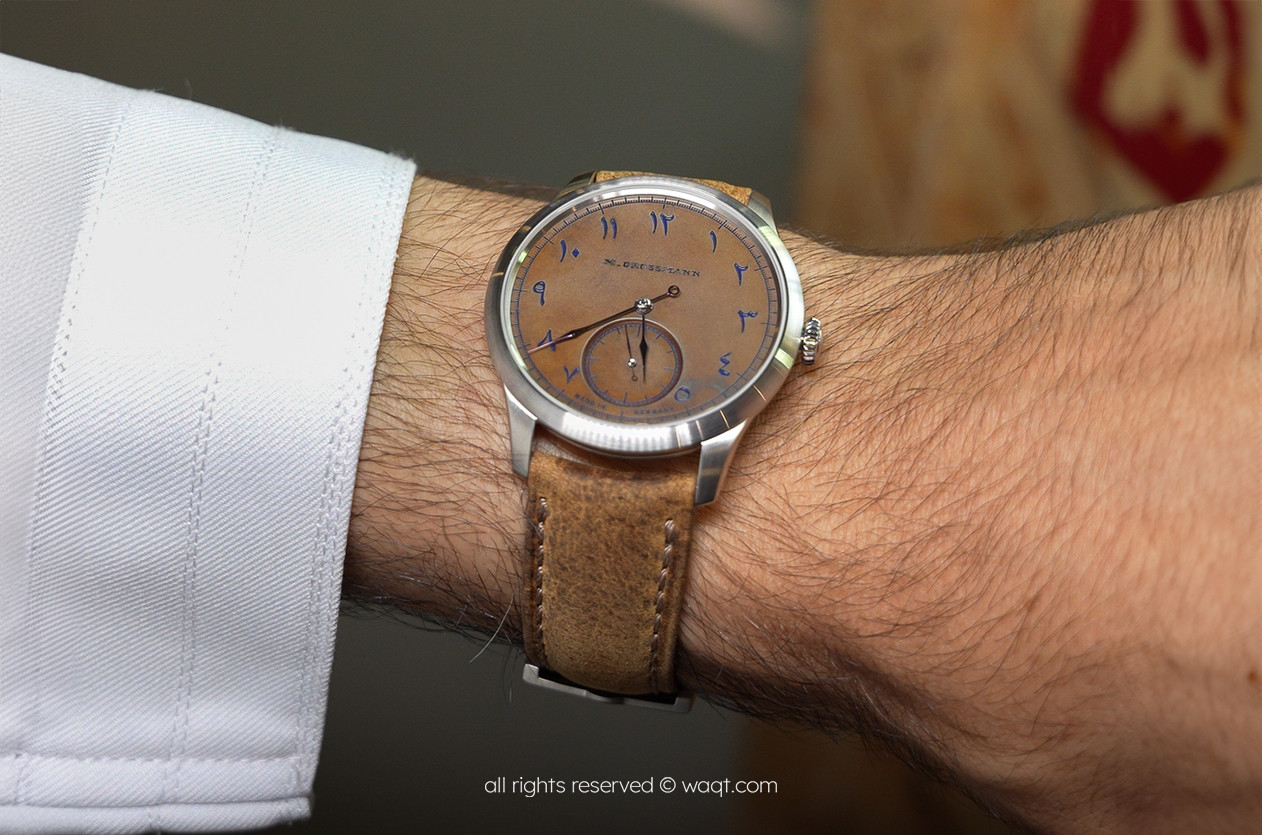
Introducing Moritz Grossmann Presents the TEFNUT Seddiqi 75 Anniversary Edition
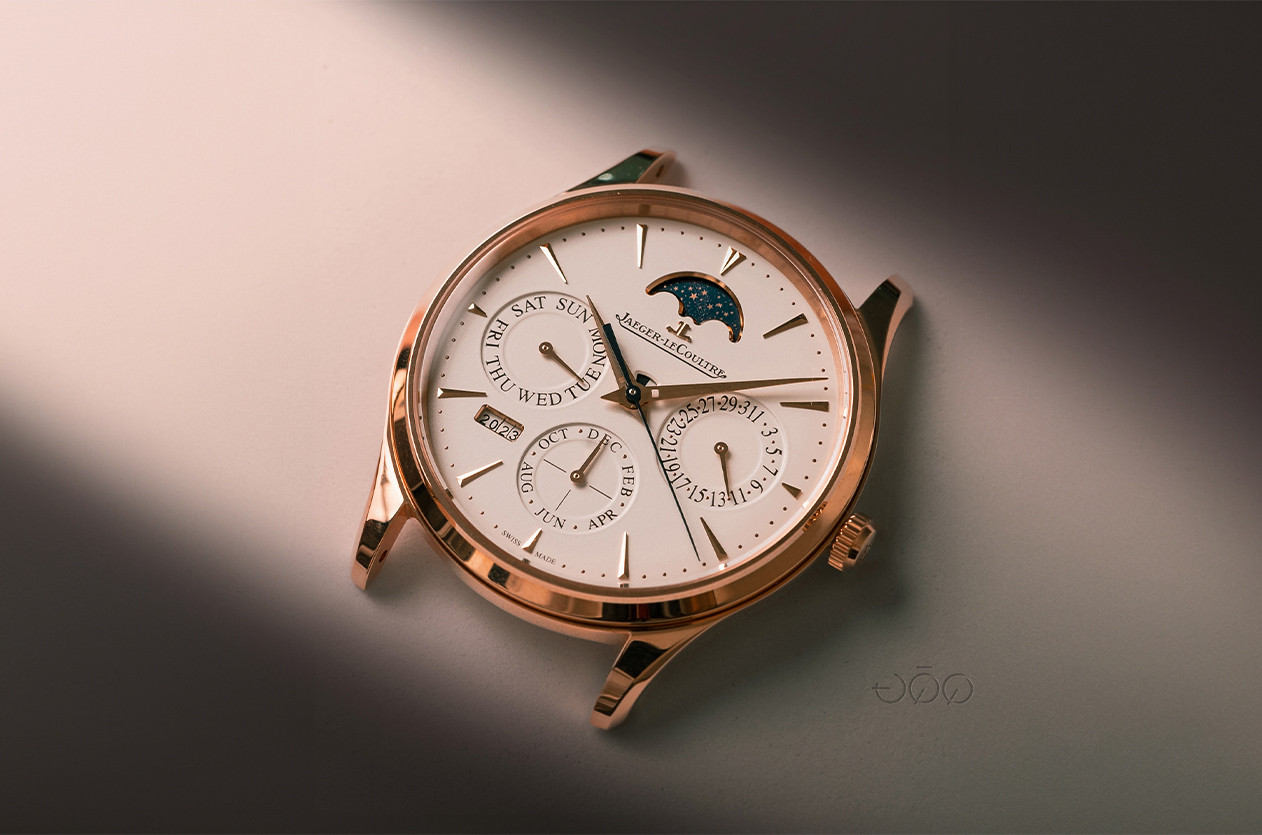
Editorial The Most Sought After Dial Finishing
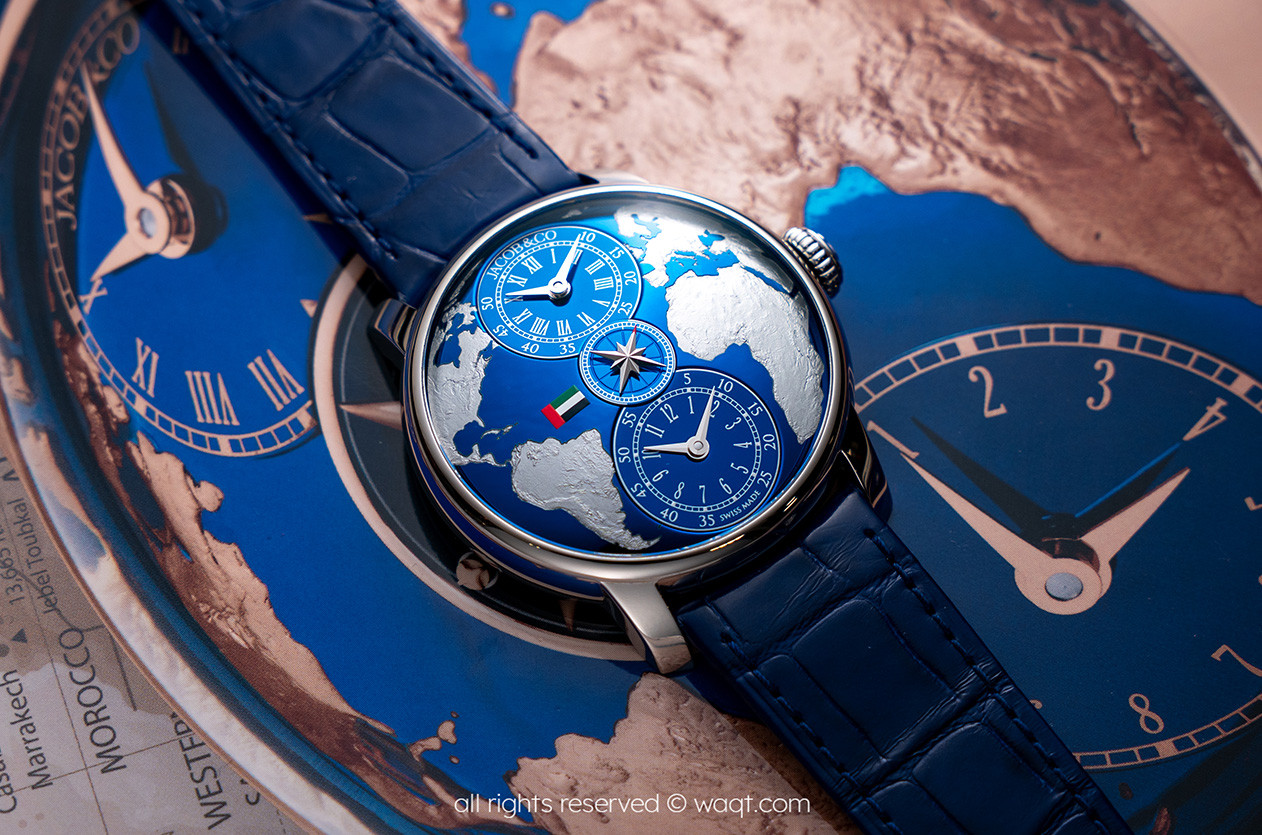
First Look A Special UAE Edition of “The World Is Yours Dual Time Zone”
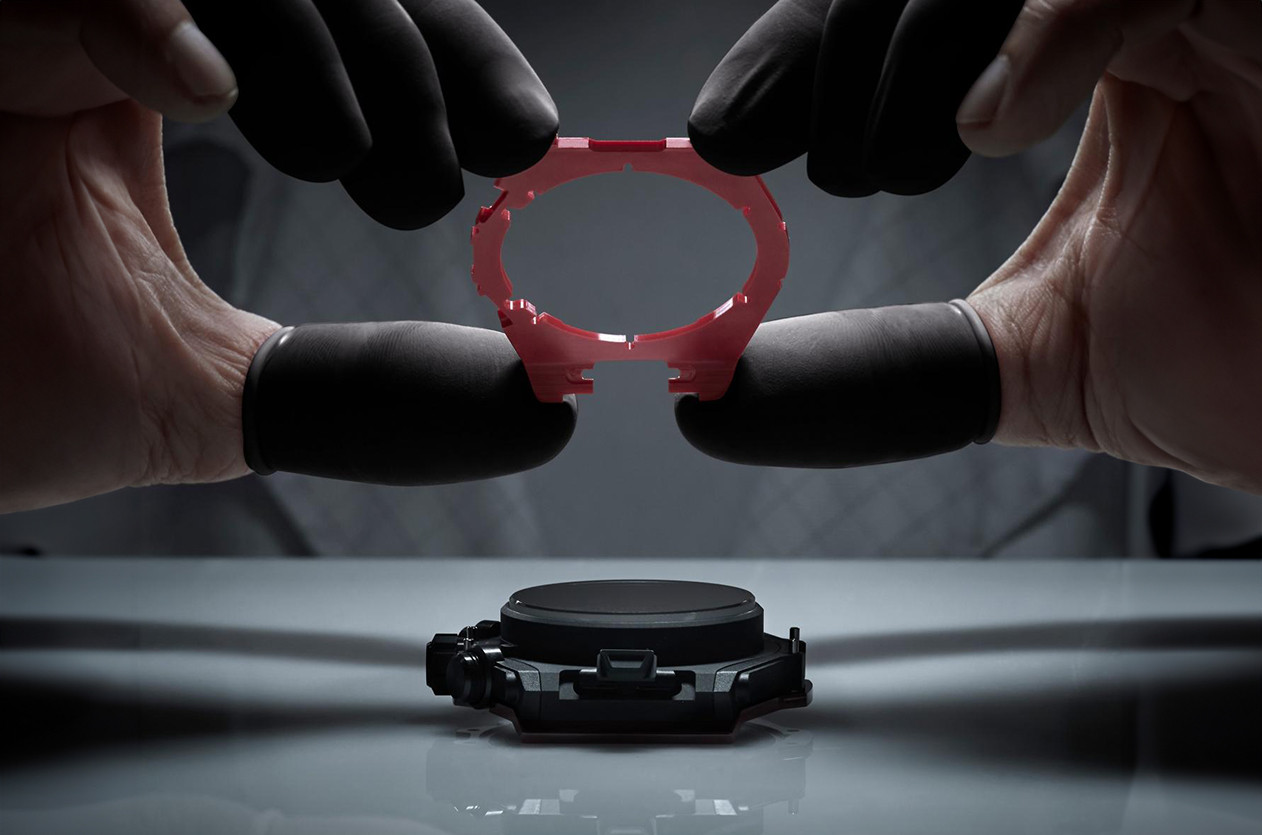
Editorial The Secrets of Watch Case Design

Editorial The Titanium Watch Revolution
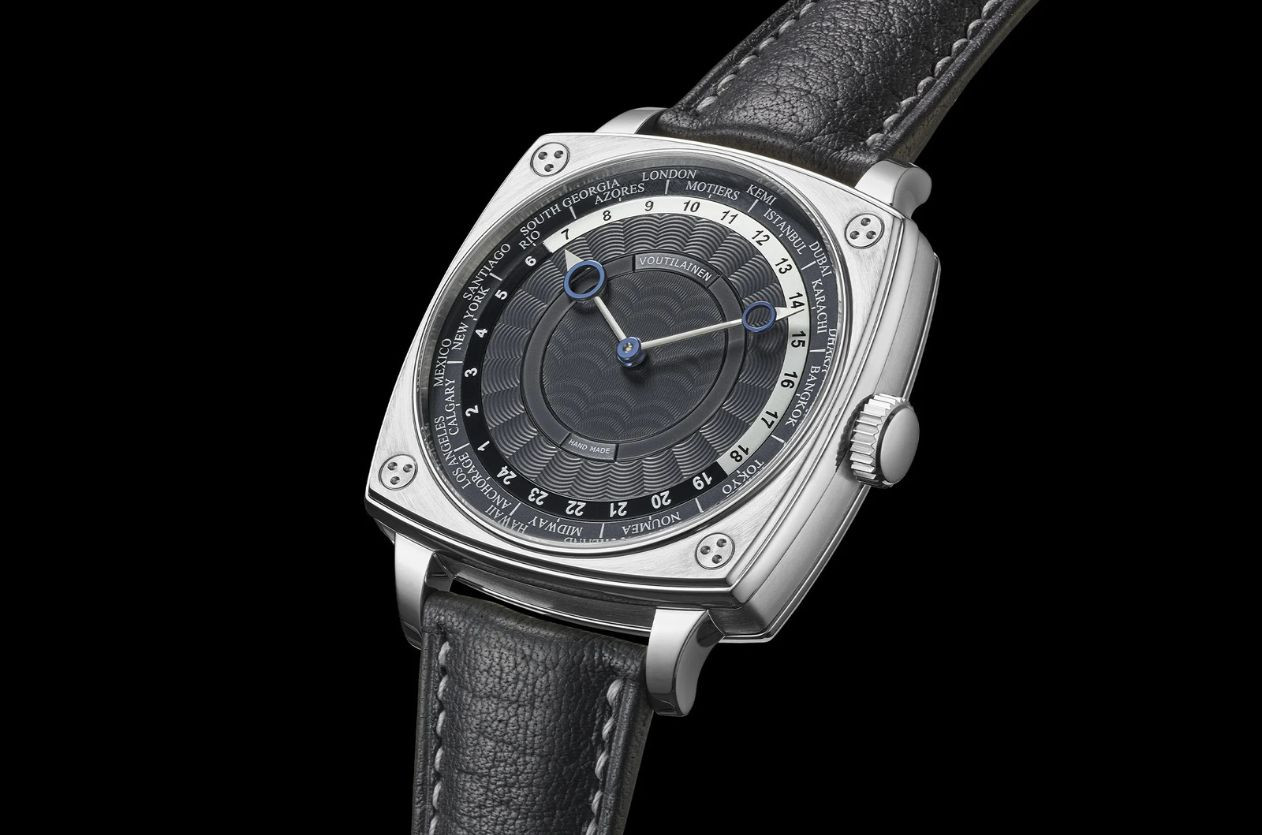
Introducing The Voutilainen CSW or Cushion Shape Worldtime: A Sculpture in Time
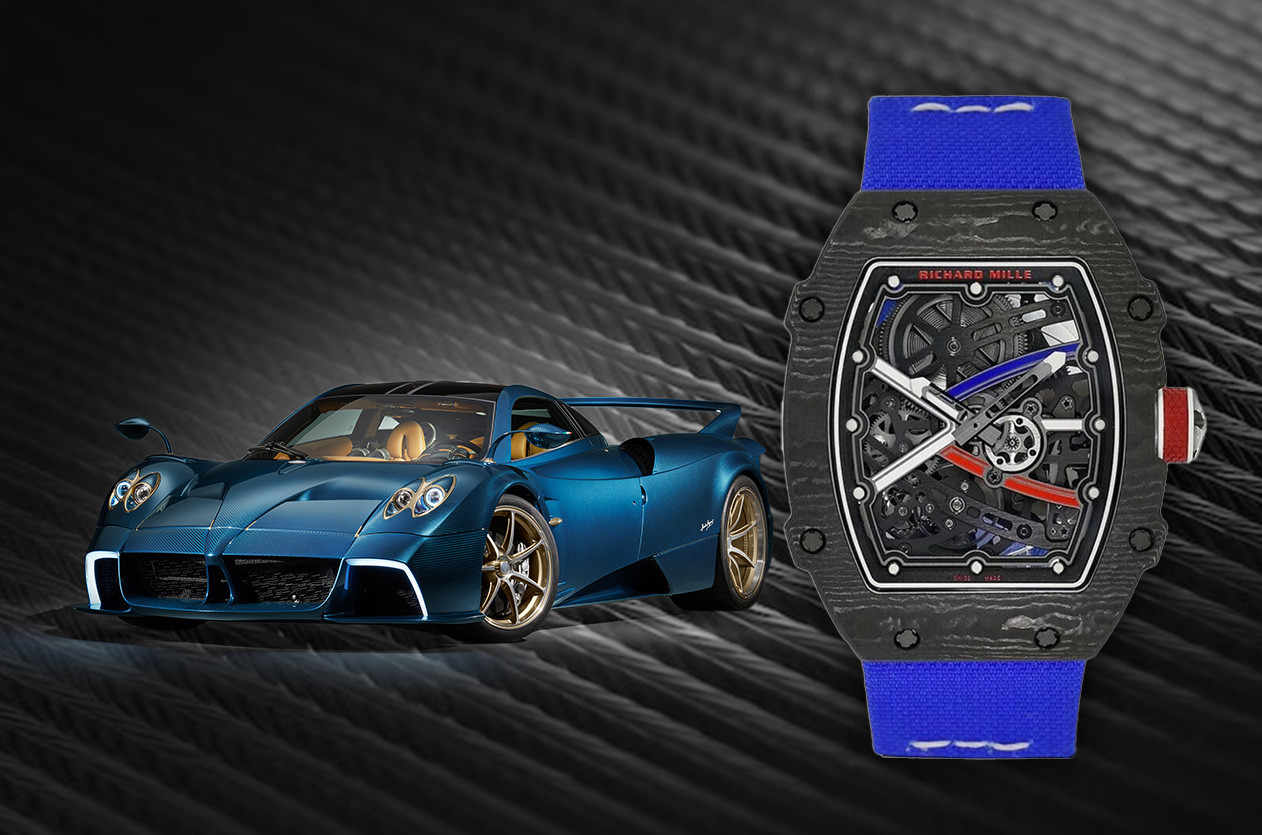
Editorial Is Carbon Fiber the Key to Richard Mille and Horacio Pagani’s Success?
Comment Delete Text
This page is available in English only. Please click below to visit Arabic Home page!