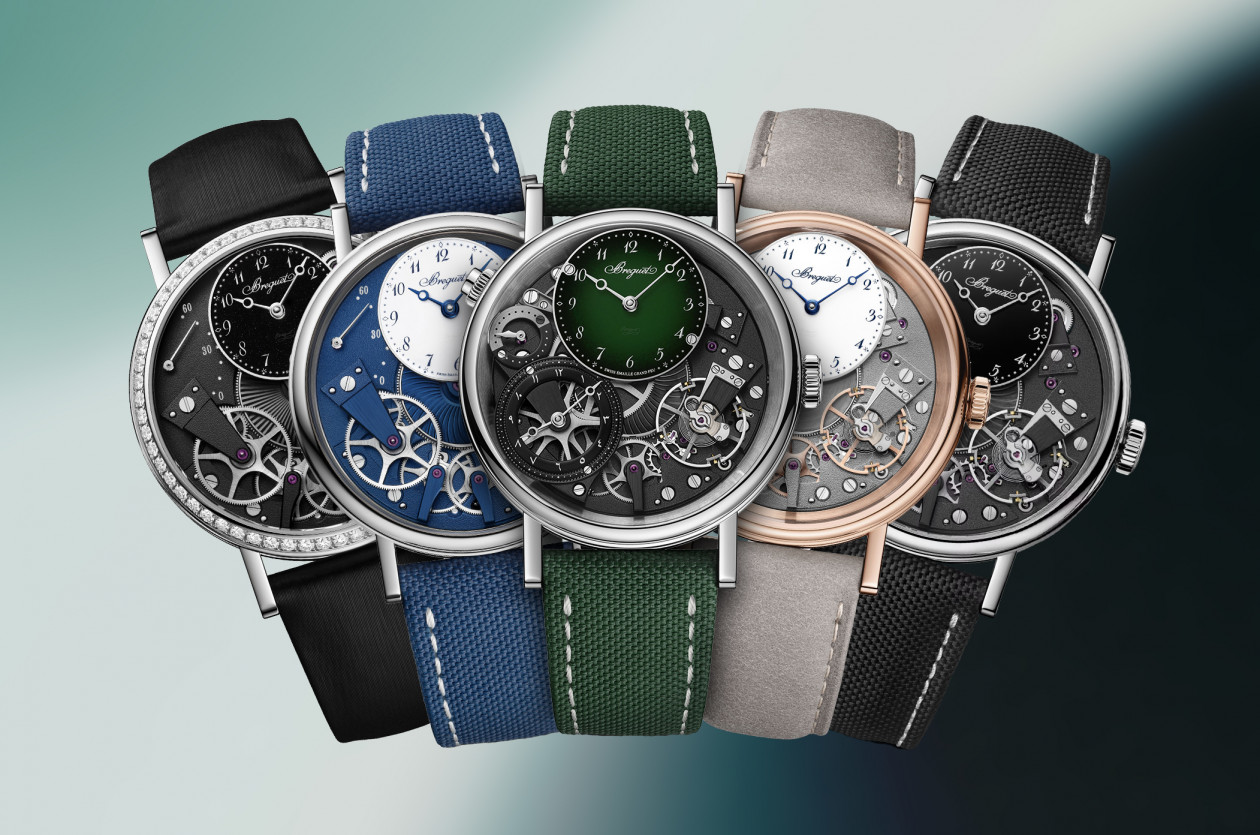
Introducing Breguet Refreshes the Tradition Collection with a Modern Touch
Welcome to the hub of the horoloy
The Brand’s First Minute Repeater with Automatic Winding
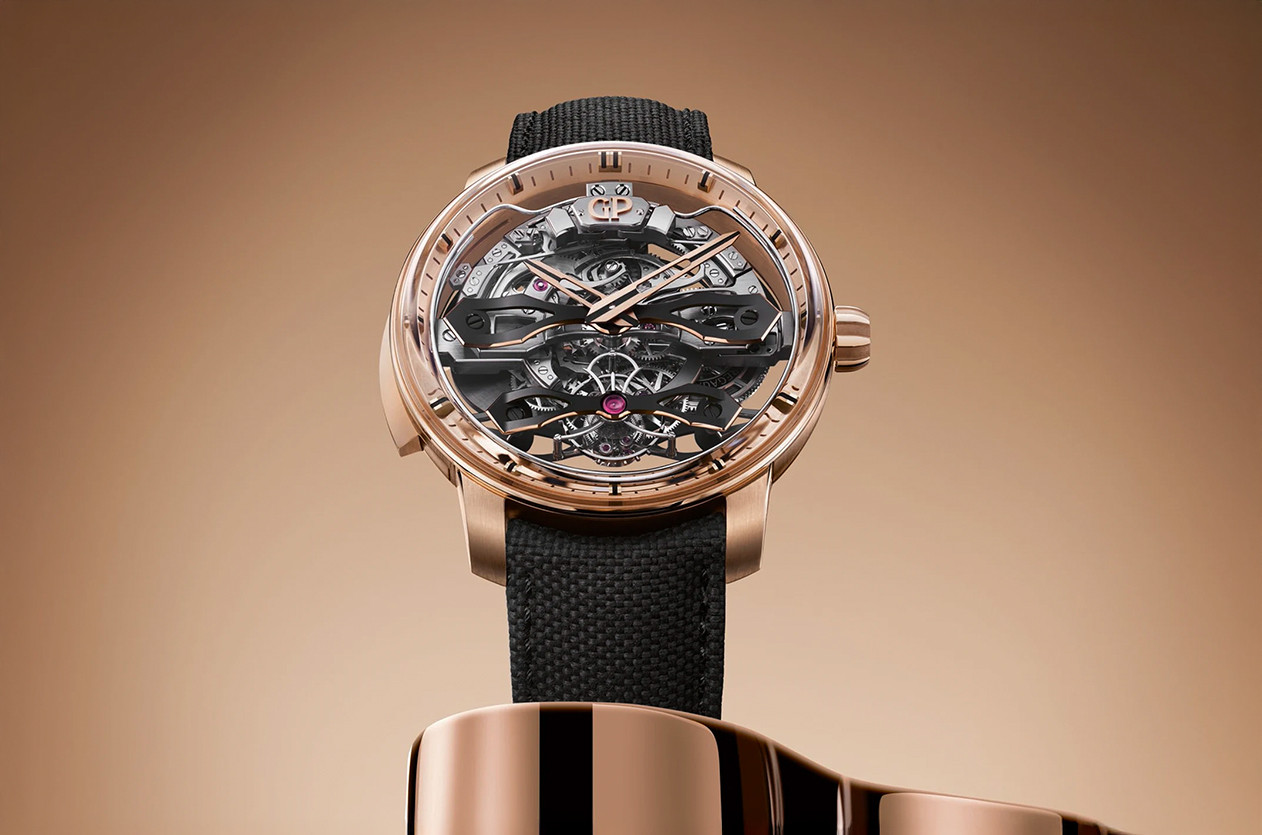
Offering a fresh expression of Girard-Perregaux’s expertise in chiming watches, the new Minute Repeater Flying Bridges brings together savoir-faire rooted in the late 18th century with the possibilities of 21st-century engineering. The timepiece embodies the brand’s vision of avant-garde Haute Horlogerie while marking a new chapter in the history of Girard-Perregaux minute repeaters.
 Developed to elevate the acoustic experience through a series of technical and aesthetic solutions designed to enhance the purity, diffusion, and resonance of sound, the new calibre merges design and function. Each component is highlighted within a perfectly symmetrical architecture. The Minute Repeater Flying Bridges combines the manufacture’s historic mastery of chiming mechanisms with its signature Bridges architecture in a newly developed in-house movement.
 The pairing of a minute repeater and a tourbillon represents one of the most sophisticated achievements in mechanical watchmaking. As such, only a select group of manufacturers ventures to unite these two grand complications in a single timepiece.
 The Minute Repeater Flying Bridges is housed in a 46 mm pink-gold case, whose generous proportions serve a practical purpose: ample space is essential for optimal acoustic resonance. Box-shaped sapphire crystals on both the front and back act almost like miniature sound chambers, amplifying and diffusing the chimes produced as the hammers strike the gongs. At the same time, they provide an unobstructed view of the movement, which appears to float within the case.
 The case also features an ingenious slide mechanism to activate the repeater. Instead of the traditional construction that leaves a visible opening when the slide is engaged, Girard-Perregaux integrates the system into a monobloc case middle. This construction improves water resistance; while most minute repeaters offer little to no protection against water, this design enables the watch to achieve a 30-metre water-resistance rating, a small but notable technical accomplishment.
 |  |
Arrow-shaped bridge ends have been part of Girard-Perregaux’s visual identity since Constant Girard introduced his first three-bridge tourbillon and secured the patent in 1884. In the Minute Repeater Flying Bridges, this signature element receives a contemporary reinterpretation through the Neo Bridge concept—skeletonised, architectural, and open. This bridge design was first introduced by the manufacture in 2017.
 Echoing the arrow-shaped ends of the historic Three Bridges, this motif is echoed throughout the movement, appearing on the hammers and springs of the minute repeater, on the micro-rotor, and even on the newly designed slide piece that activates the striking mechanism.
 Another hallmark of the brand, the lyre-shaped tourbillon cage, originally conceived by Constant Girard, also serves as the small-seconds indicator. The three stylised rose-gold Flying Bridges create an elegant, airy architecture in which the striking mechanism and tourbillon appear to float weightlessly. The exceptional attention to detail is reflected in the 1,340 hand-bevelled and polished edges, including 295 interior angles, producing a rich play of light across the movement. As a tribute to the watchmaker responsible for assembling the movement, a small plaque bearing the artisan’s initials is discreetly integrated within the calibre.
 As the third benchmark calibre unveiled by the manufacture in less than six months, the GP9530 demonstrates Girard-Perregaux’s dynamic approach to Haute Horlogerie. Entirely designed, developed, and assembled in-house, the movement pays tribute to the minute repeater, a complication associated with the brand since the 1820s.
This openworked calibre, composed of 475 components, combines a minute repeater, a tourbillon, and a newly developed self-winding system. Its assembly and finishing require nearly 440 hours of work.
 |  |
The GP9530 has been carefully engineered to maximise acoustic performance. The mainplate and bridges are crafted from titanium, a lightweight yet rigid material that transmits vibrations particularly efficiently. The mainplate is screwed directly to the case, allowing vibrations generated by the striking mechanism to travel seamlessly from the movement into the rose-gold case.
Domed sapphire crystals on both sides further amplify the melody produced by the hammers striking the gongs, which are positioned on the dial side of the movement. This placement is not merely aesthetic; it prevents the sound from being absorbed by the wearer’s wrist and enables a clearer, more powerful projection.

The two gongs and their acoustic chamber are fashioned from a single piece of hardened and tempered steel, ensuring optimal transmission of sound throughout the movement and into the case.
To eliminate unwanted mechanical noise, the centrifugal governor that regulates the striking sequence has been relocated to the back of the movement. The skeletonised architecture also serves an acoustic purpose: the open structure allows sound waves to circulate more freely within the case, enhancing resonance. The case itself functions as a resonating chamber, with its generous dimensions of 46 mm in diameter and 17.9 mm in height further supporting the watch’s acoustic performance.
For the first time, a minute repeater from the manufacture is equipped with a self-winding mechanism. Integrating a micro-rotor into a striking movement previously designed exclusively for manual winding required a fundamental redesign of the calibre’s architecture in order to accommodate the winding system while preserving the visual symmetry that characterises Girard-Perregaux movements.
 The solution is a solid white-gold micro-rotor, positioned opposite the barrel in perfect mirror symmetry. This configuration maintains the visual balance of the movement while leaving the architecture largely unobstructed. The rotor winds the barrel, providing a power reserve of approximately 60 hours.
To honour the watchmaker responsible for crafting this exceptional timepiece, a small plate bearing the artisan’s initials is discreetly incorporated into the skeletonised calibre as a signature of the work accomplished. The 1,340 hand-polished chamfers, including 295 interior angles, transform light into a key element of the GP9530 calibre’s aesthetic expression.
The Minute Repeater Flying Bridges is paired with a black rubber strap featuring a fabric-effect texture, secured by a pink-gold triple-folding clasp. The watch is priced at EUR 579,000, approximately AED 2,436,000.
For more information, visit Girard Perregaux official website.
Introducing DB28GS Swordfish: The Luxury Dive Watch from De Bethune
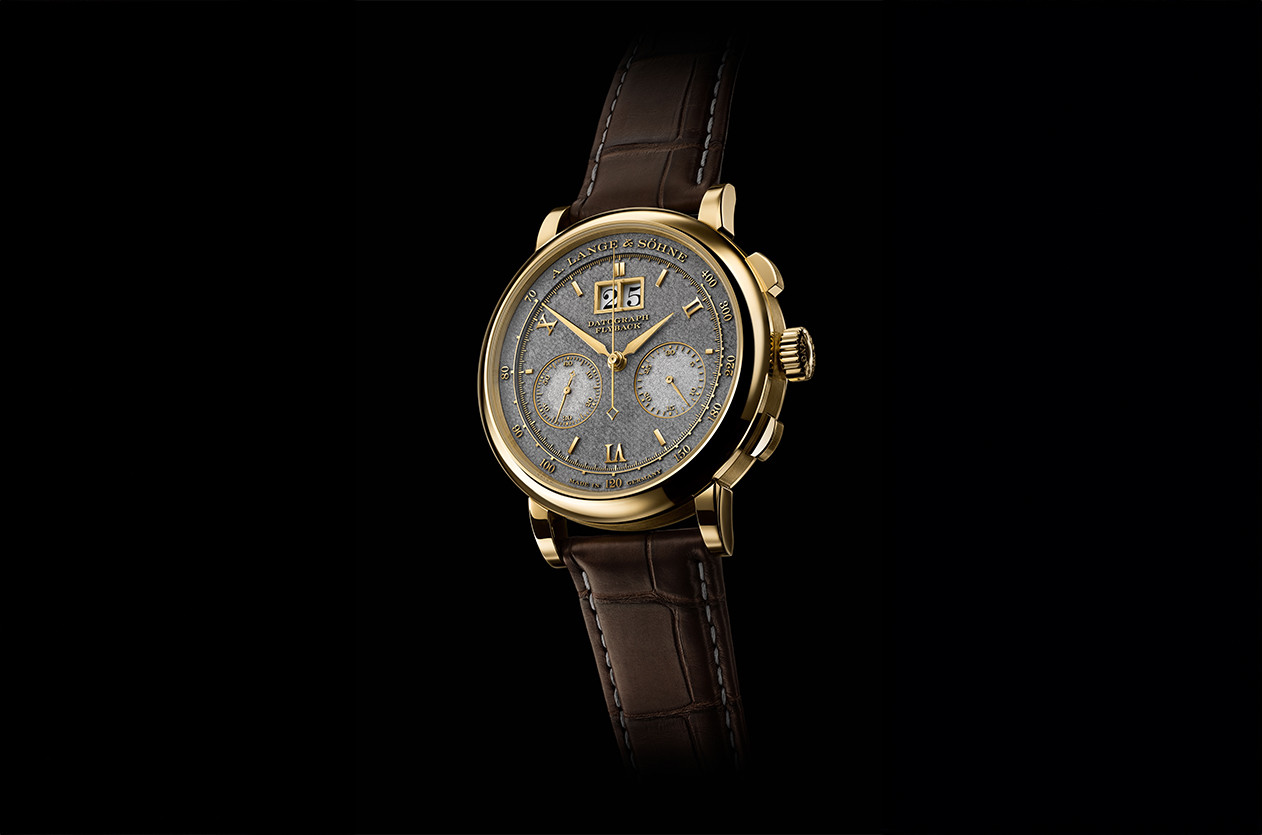
Introducing A. Lange & Söhne Continues Celebrating the 25th Anniversary of the Datograph
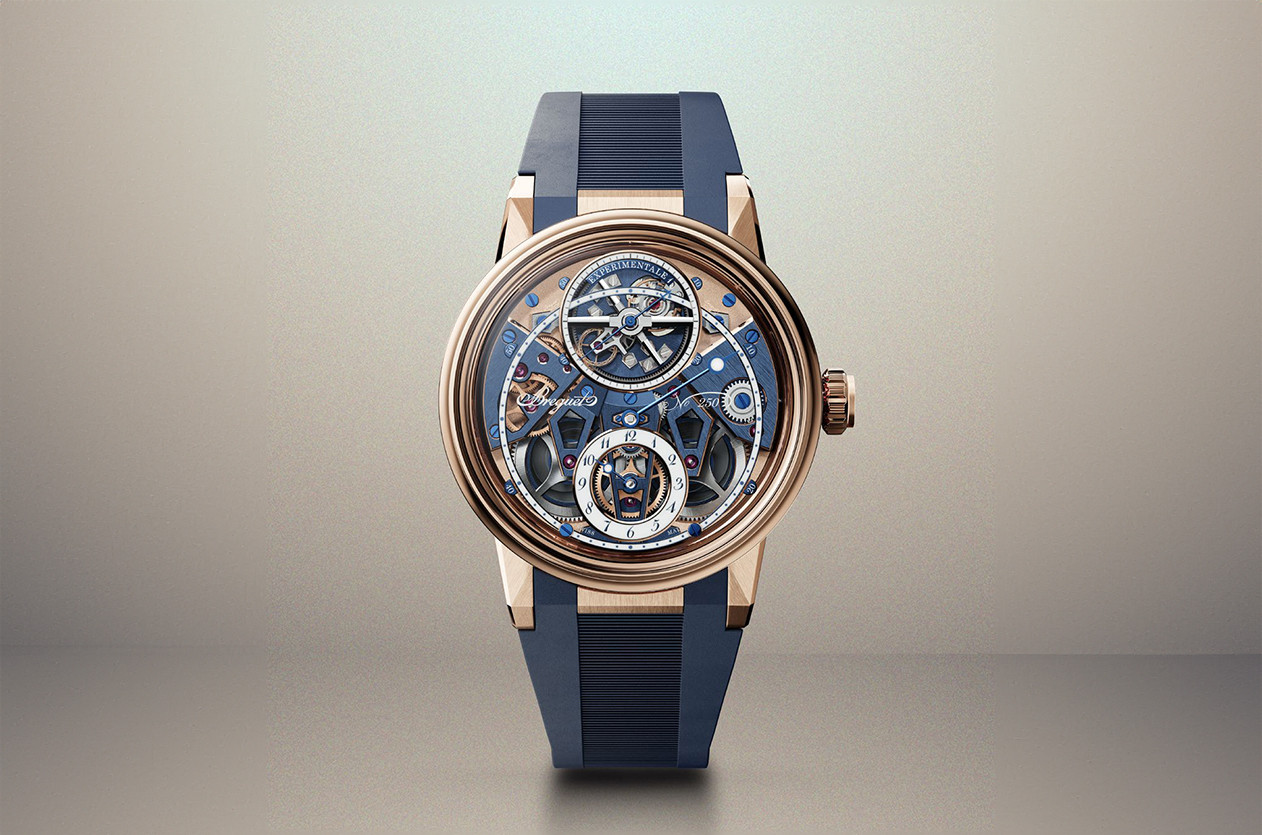
Introducing Breguet Unveils Its Final 250th-Anniversary Timepiece: Expérimentale 1
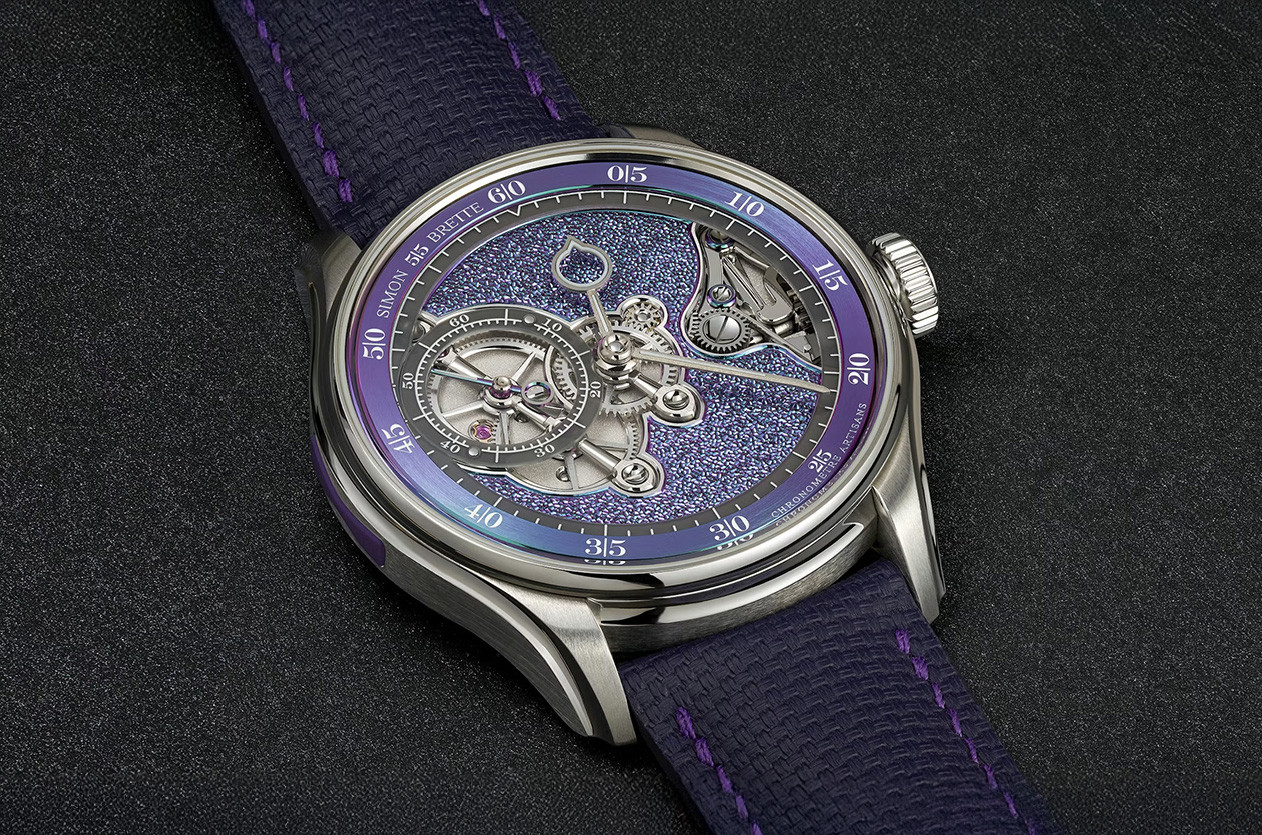
Introducing Simon Brette Unveils the Chronomètre Artisans in Stainless Steel
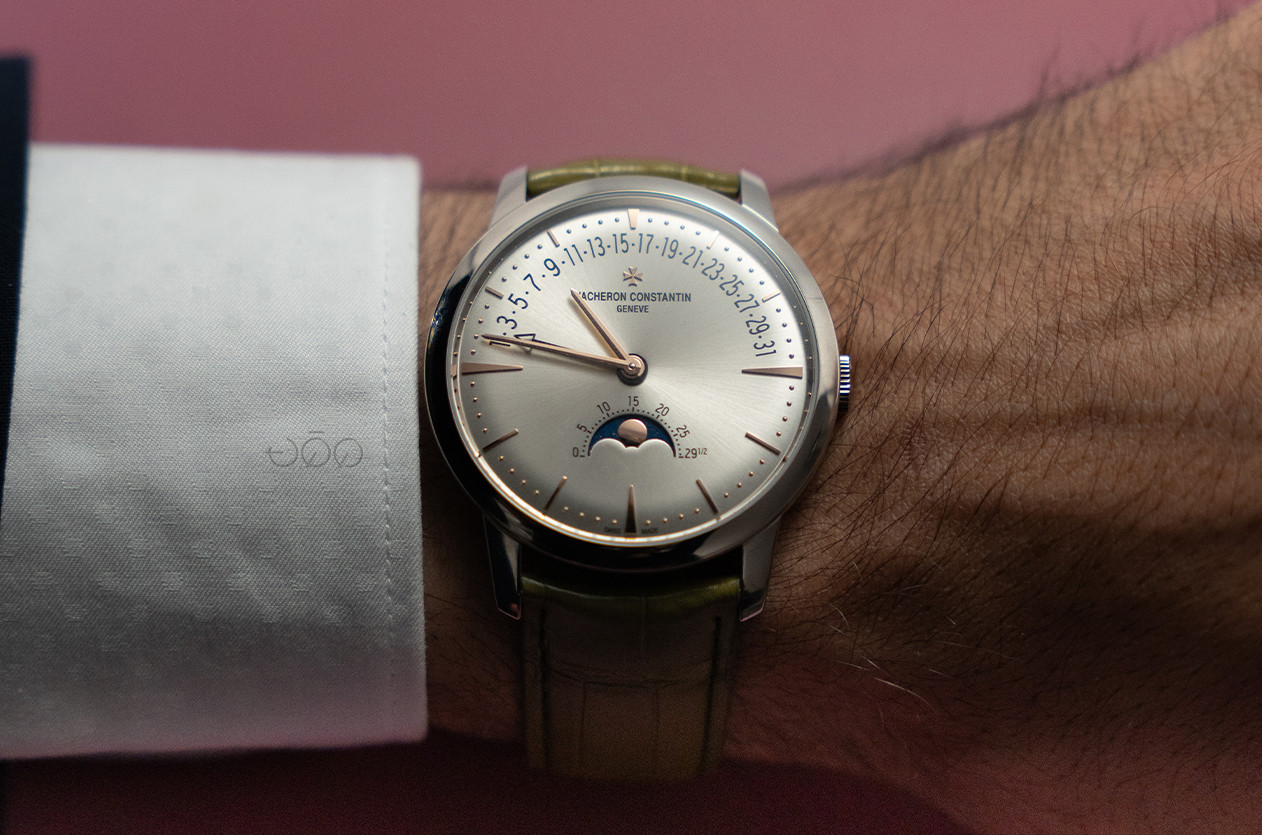
Hands on The New Vacheron Constantin Patrimony Collection
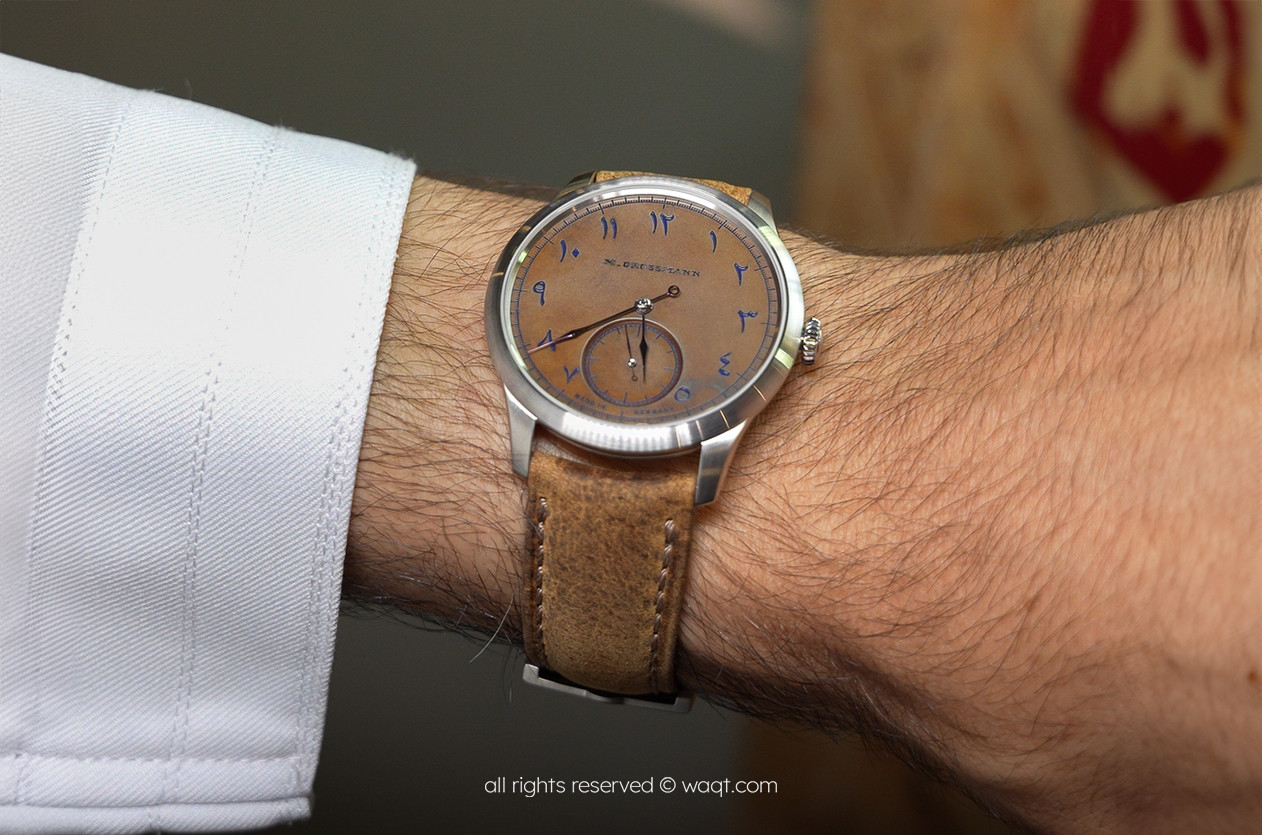
Introducing Moritz Grossmann Presents the TEFNUT Seddiqi 75 Anniversary Edition
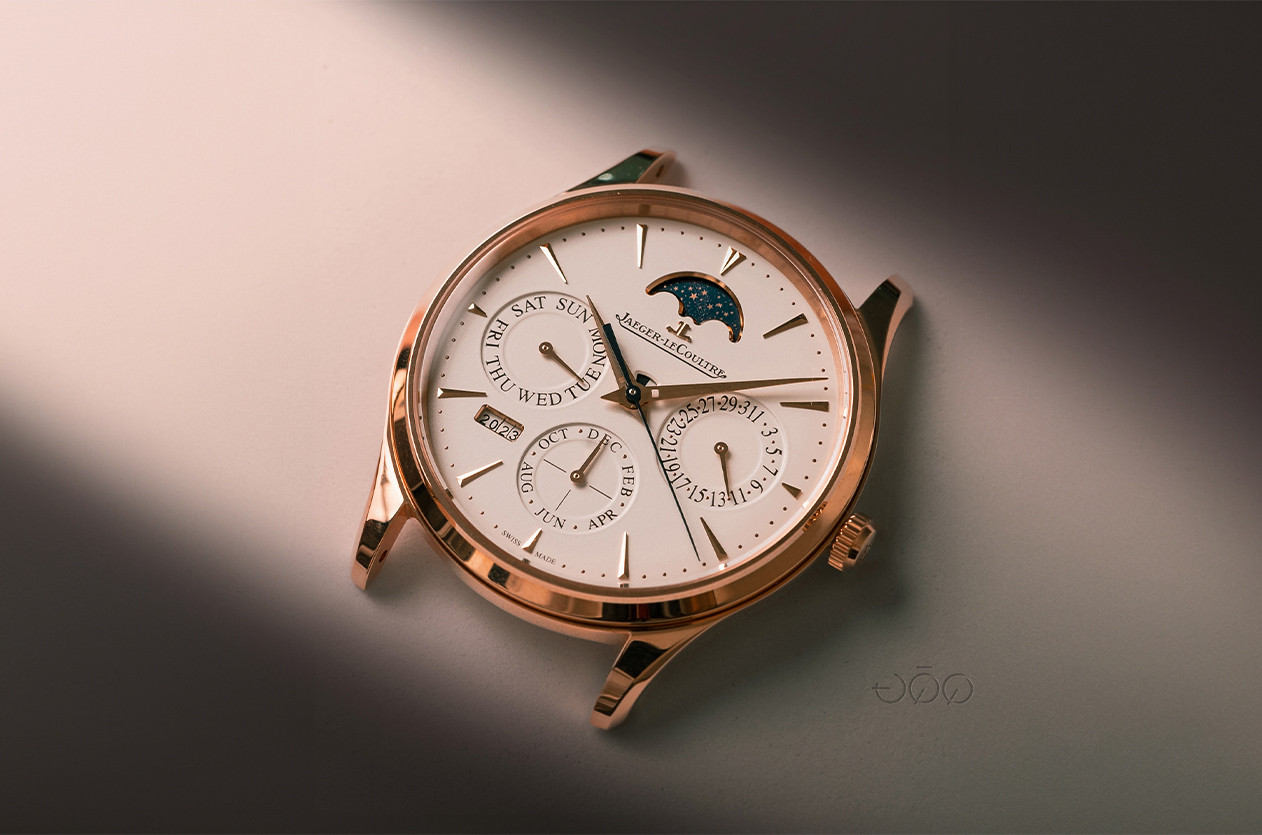
Editorial The Most Sought After Dial Finishing
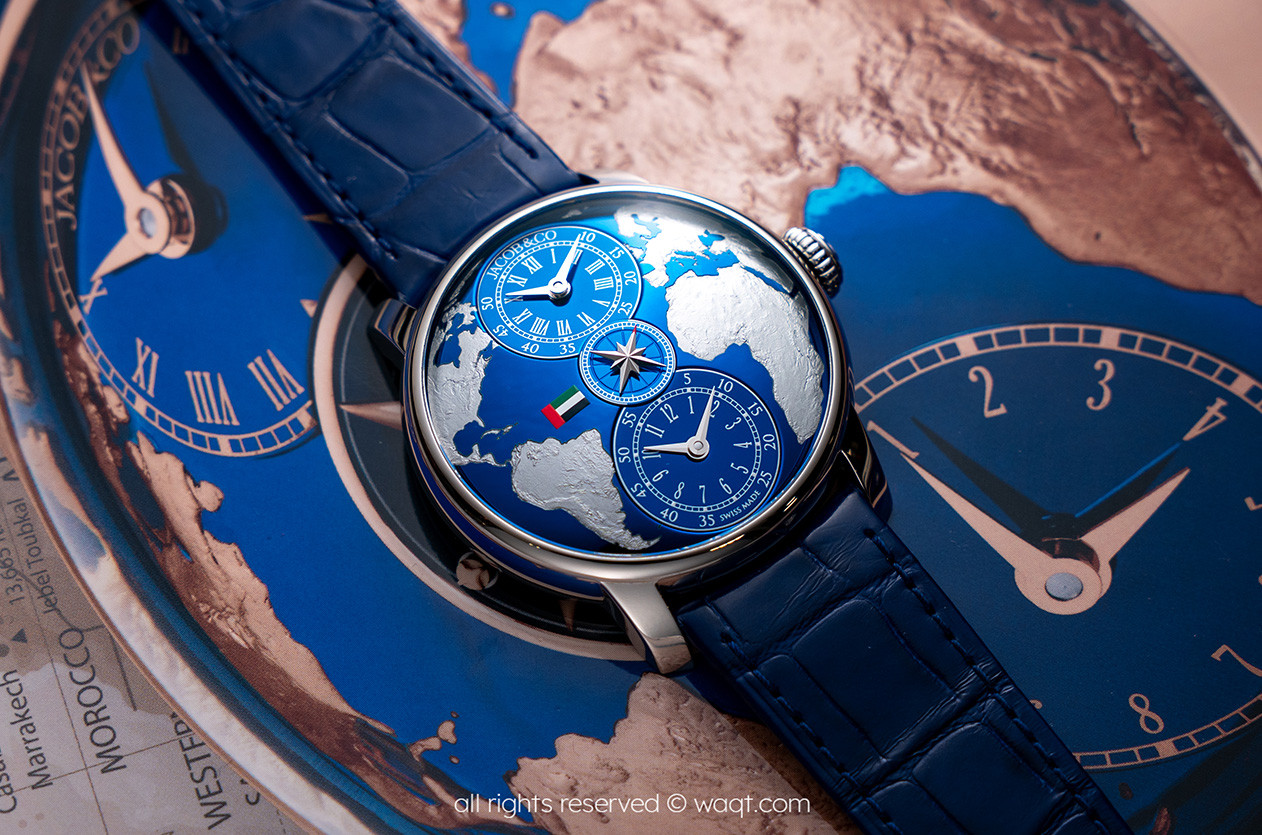
First Look A Special UAE Edition of “The World Is Yours Dual Time Zone”
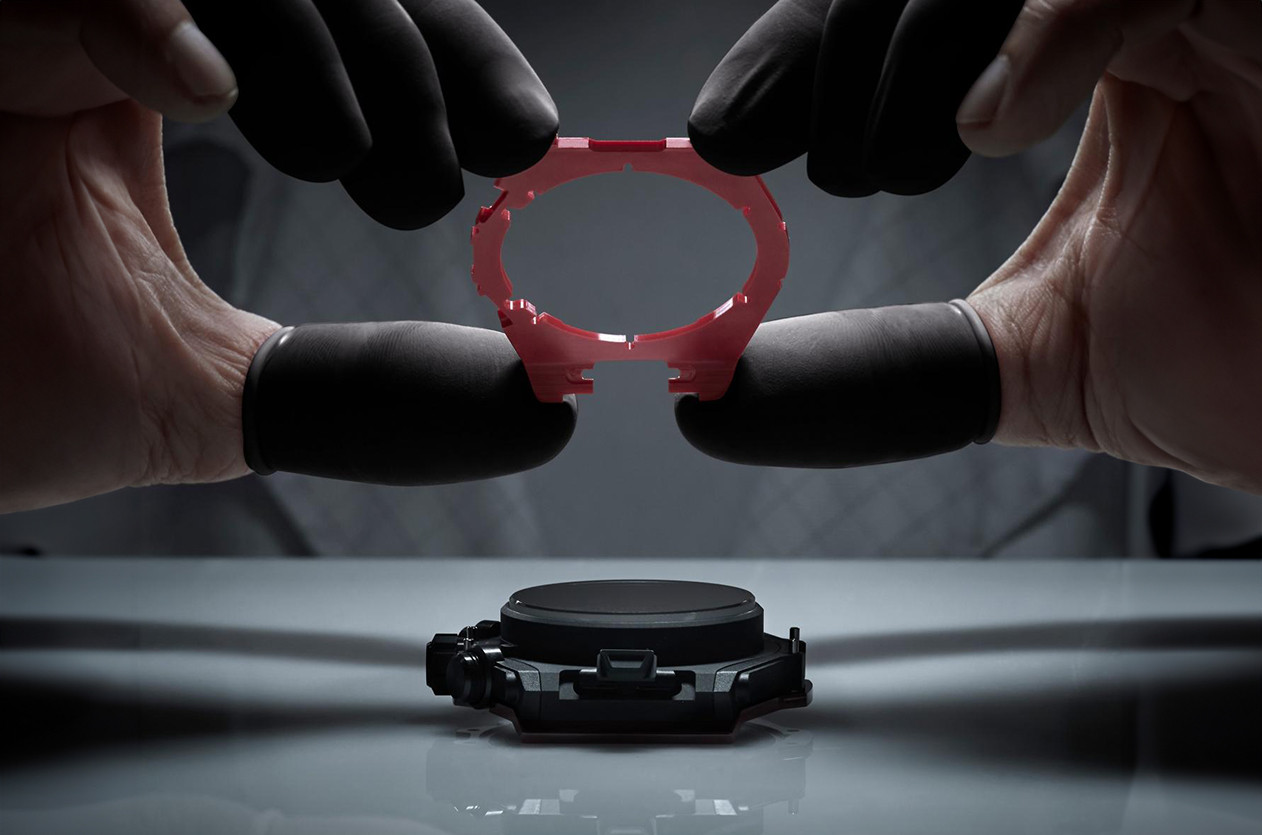
Editorial The Secrets of Watch Case Design

Editorial The Titanium Watch Revolution
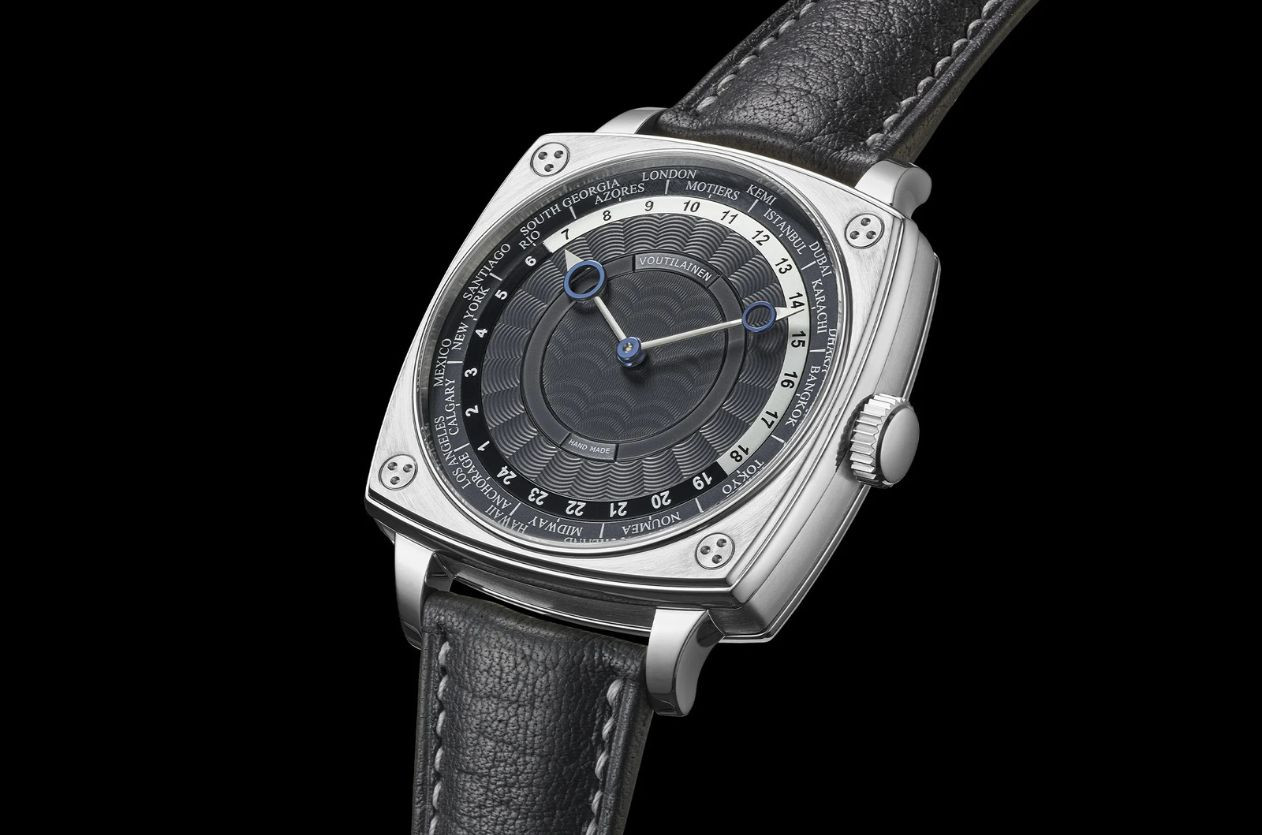
Introducing The Voutilainen CSW or Cushion Shape Worldtime: A Sculpture in Time

Editorial Is Carbon Fiber the Key to Richard Mille and Horacio Pagani’s Success?
Comment Delete Text
This page is available in English only. Please click below to visit Arabic Home page!