Introducing Breguet Refreshes the Tradition Collection with a Modern Touch
Welcome to the hub of the horoloy
For the first time in the brand’s history, dials crafted from precious stones
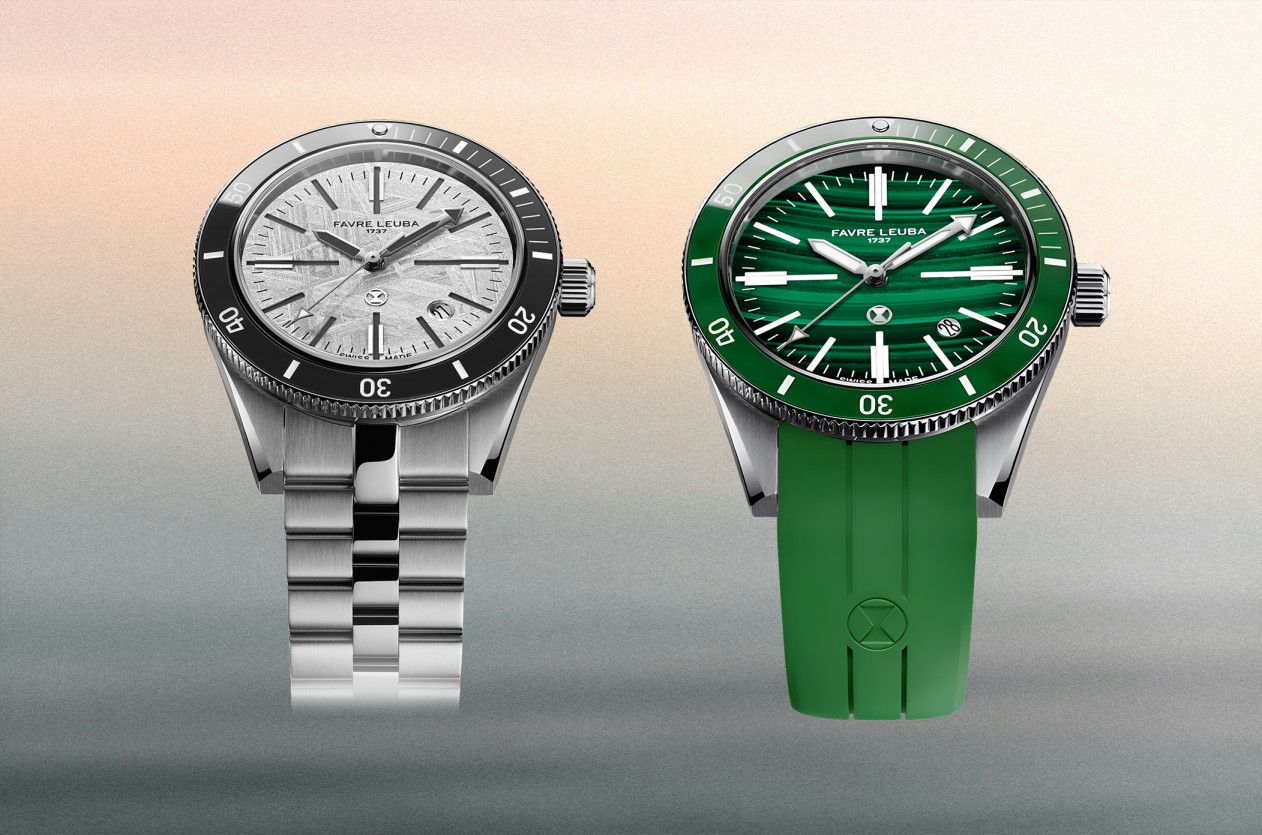
Favre Leuba expands its Deep Raider Renaissance collection with two captivating new models featuring a malachite dial and a meteorite dial. The collection embarks on a journey that bridges the brand’s centuries-old heritage with contemporary material innovation. Drawing inspiration from the 1964 Deep Blue design language while incorporating the modern aesthetics established in 2024, these latest editions represent a defining moment for Favre Leuba, introducing dials crafted from semi-precious stones for the first time in its 288-year history. The Meteorite and Malachite editions are not only visually striking but also exemplify technical precision and masterful craftsmanship.
 Crafted from stainless steel, each watch features a unidirectional rotating ceramic bezel with a luminous dot at the 12 o’clock position, green for the Malachite edition and black for the Meteorite, ensuring precise dive timing. The case measures a restrained 40 mm in diameter and 12.69 mm in thickness, offering a balanced wrist presence, while water resistance reaches 300 metres. A double-domed sapphire crystal with anti-reflective coating enhances readability, and the screw-down crown is embossed with the Favre Leuba monogram.
 The dials of these timepieces are true centerpieces of artistry and natural allure. The Meteorite dial is crafted from Muonionalusta iron meteorite sourced from northern Sweden, renowned for its distinctive Widmanstätten pattern revealed through meticulous slicing and acid treatment.
 The dial features a two-part sandwich construction, with a perforated top layer floating above a Super-Luminova–coated base plate, allowing light to illuminate the cut-out indices with exceptional luminosity. Each dial retains a raw extraterrestrial texture, balancing natural form with durability.
 The Malachite dial showcases genuine semi-precious malachite, prized for its vivid green tones and flowing concentric patterns. Due to the mineral’s softness and natural veins, sections are carefully selected, reinforced as needed, and polished at low temperature to maintain integrity, resulting in a truly one-of-a-kind dial.
 Both watches are powered by the Caliber FLD02, an automatic movement with a 68-hour power reserve, operating at 28,800 vibrations per hour (4 Hz). The movement is adorned with haute horlogerie finishes: bridges feature Côtes de Genève, plates display perlage and soleil patterns, and blued screws provide a refined technical contrast. The skeletonized rotor, rendered in a warm 4N tone, is engraved with the Favre Leuba emblem.
 Owners may choose between an integrated three-link steel bracelet combining brushed and polished finishes with a butterfly clasp engraved with the logo, or an FKM rubber strap secured with a pin buckle, also bearing the logo.
 The Meteorite edition is priced at CHF 3,200 Which is equivalent to AED 14,780, with bracelet and CHF 3,100 Which is equivalent to AED 14,320 with rubber strap, while the Malachite edition is CHF 2,800 which is equivalent to AED 12,940 with bracelet and CHF 2,700 (AED 12,470) with rubber strap.
For more information, visit Favre Leuba’s official website.
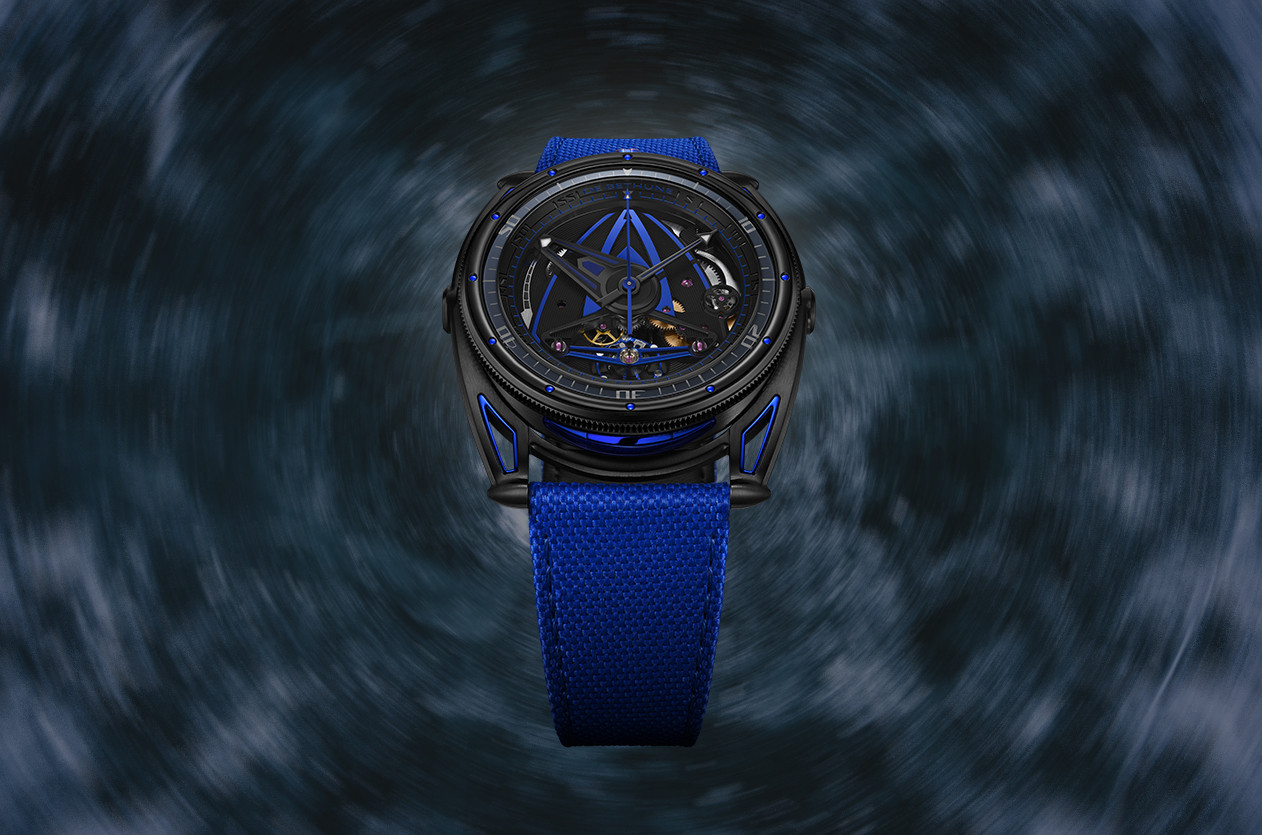
Introducing DB28GS Swordfish: The Luxury Dive Watch from De Bethune
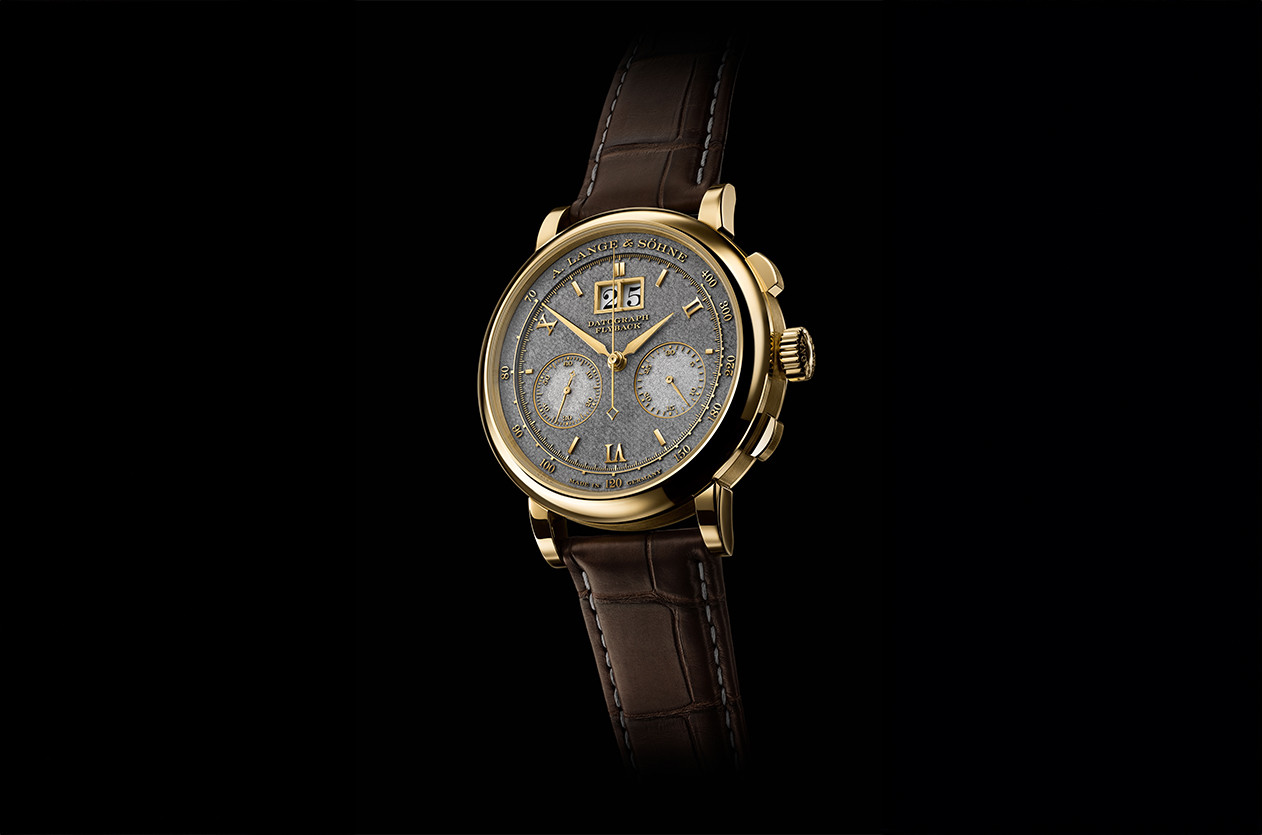
Introducing A. Lange & Söhne Continues Celebrating the 25th Anniversary of the Datograph
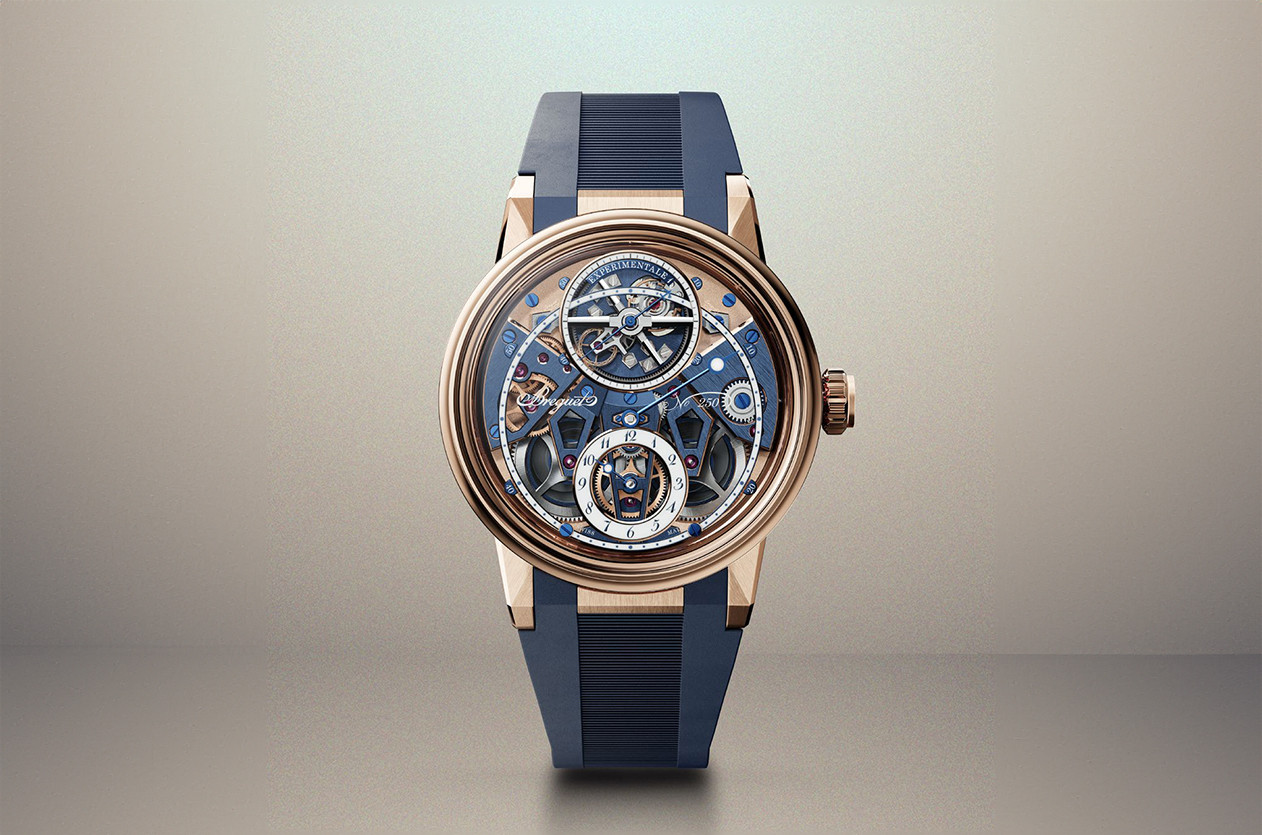
Introducing Breguet Unveils Its Final 250th-Anniversary Timepiece: Expérimentale 1
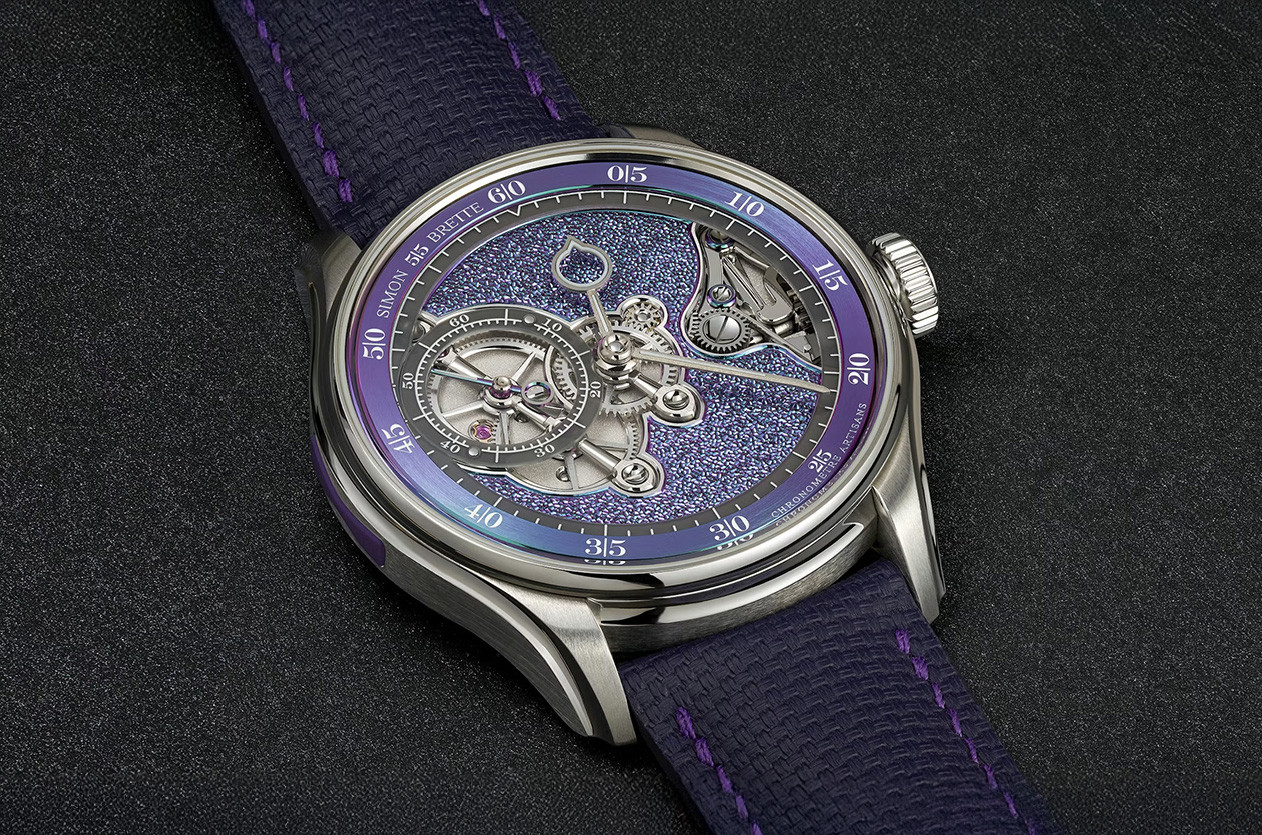
Introducing Simon Brette Unveils the Chronomètre Artisans in Stainless Steel
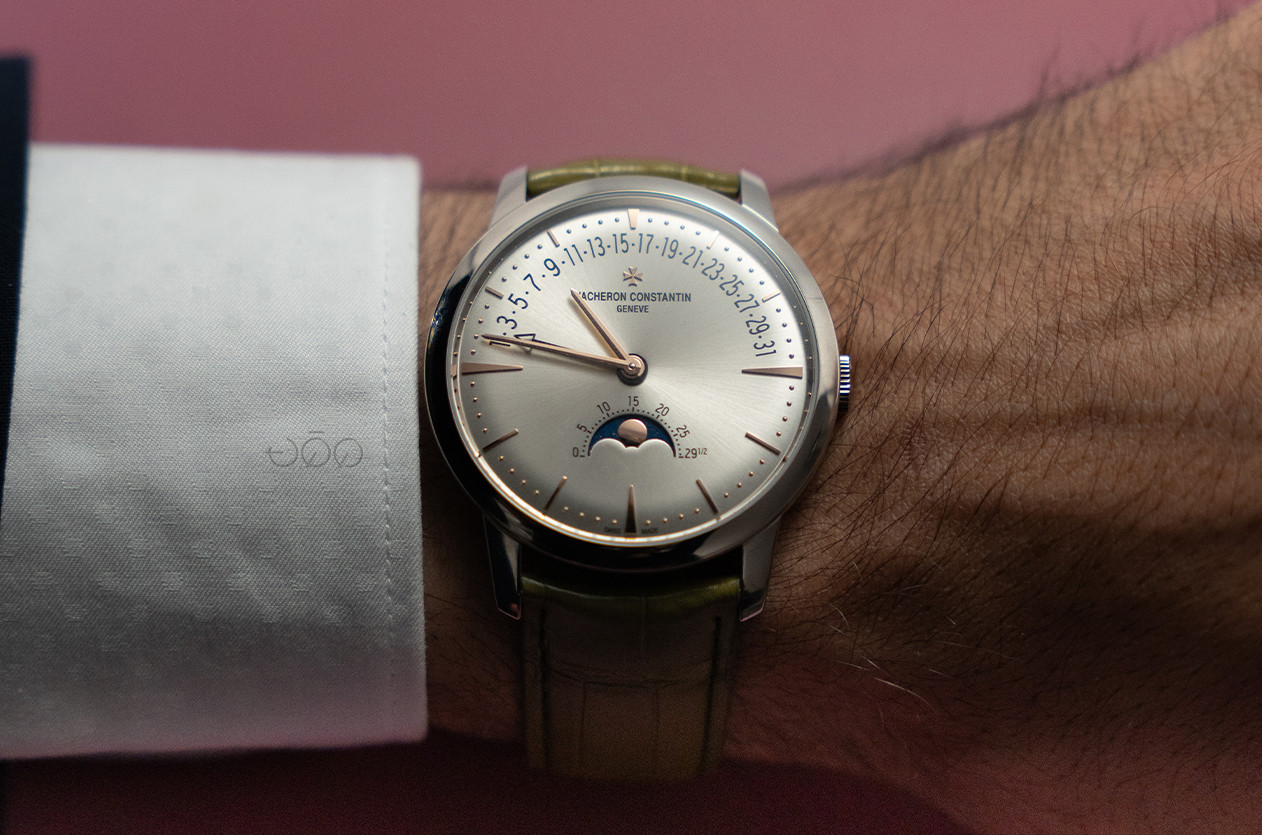
Hands on The New Vacheron Constantin Patrimony Collection
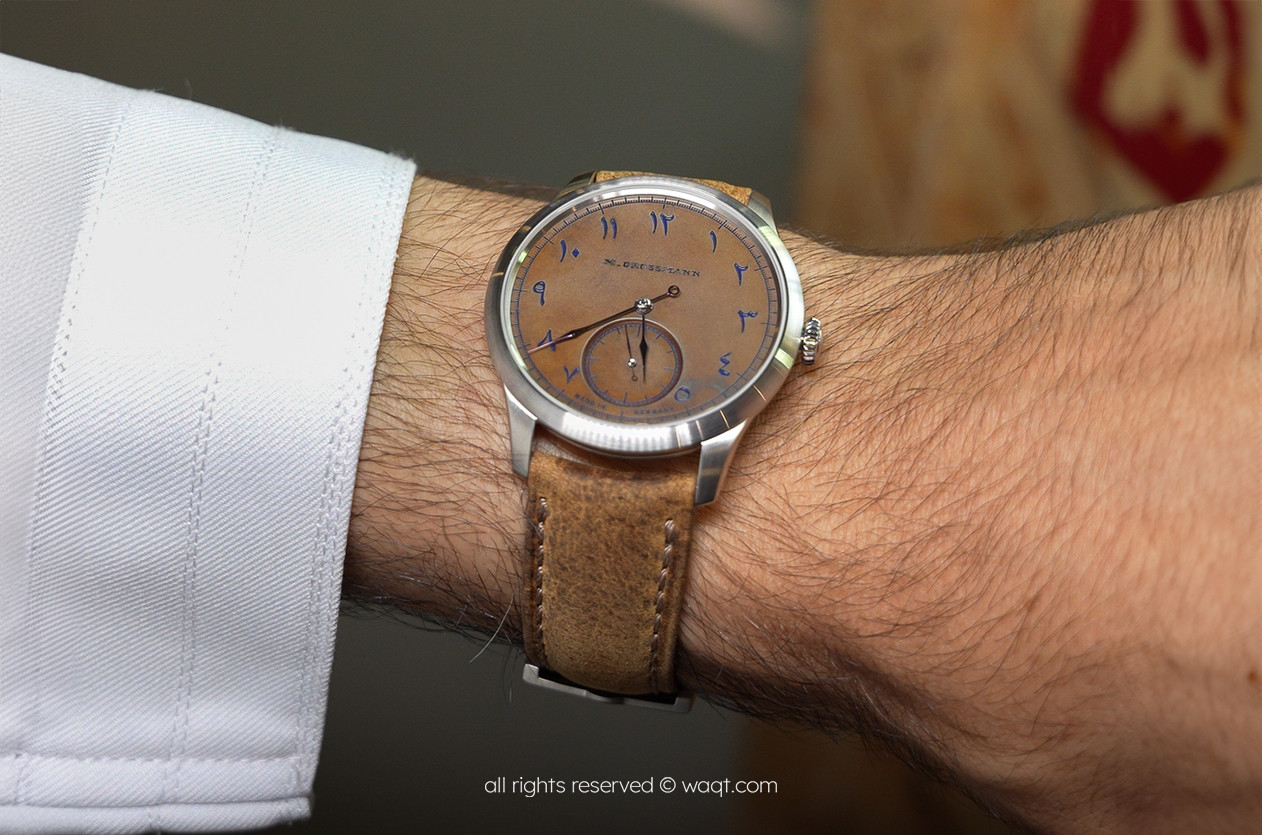
Introducing Moritz Grossmann Presents the TEFNUT Seddiqi 75 Anniversary Edition
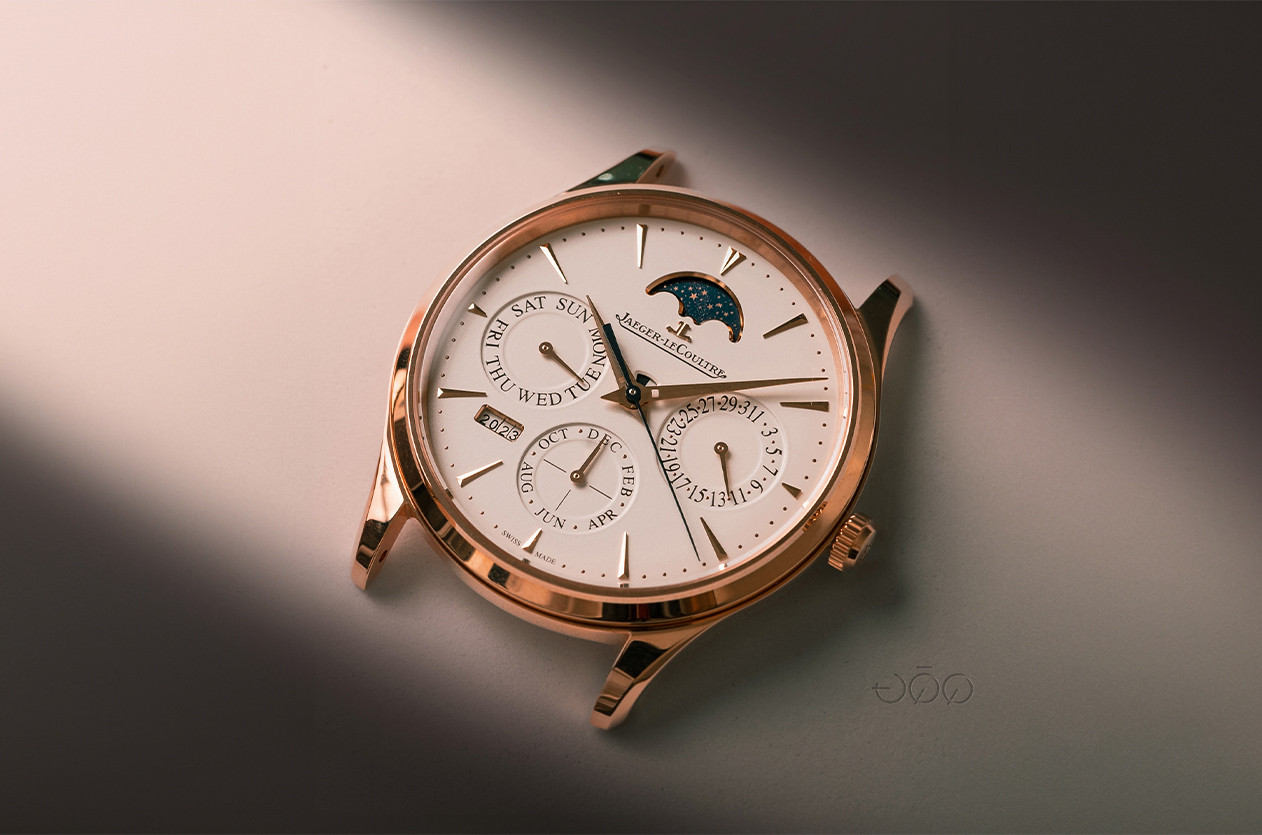
Editorial The Most Sought After Dial Finishing
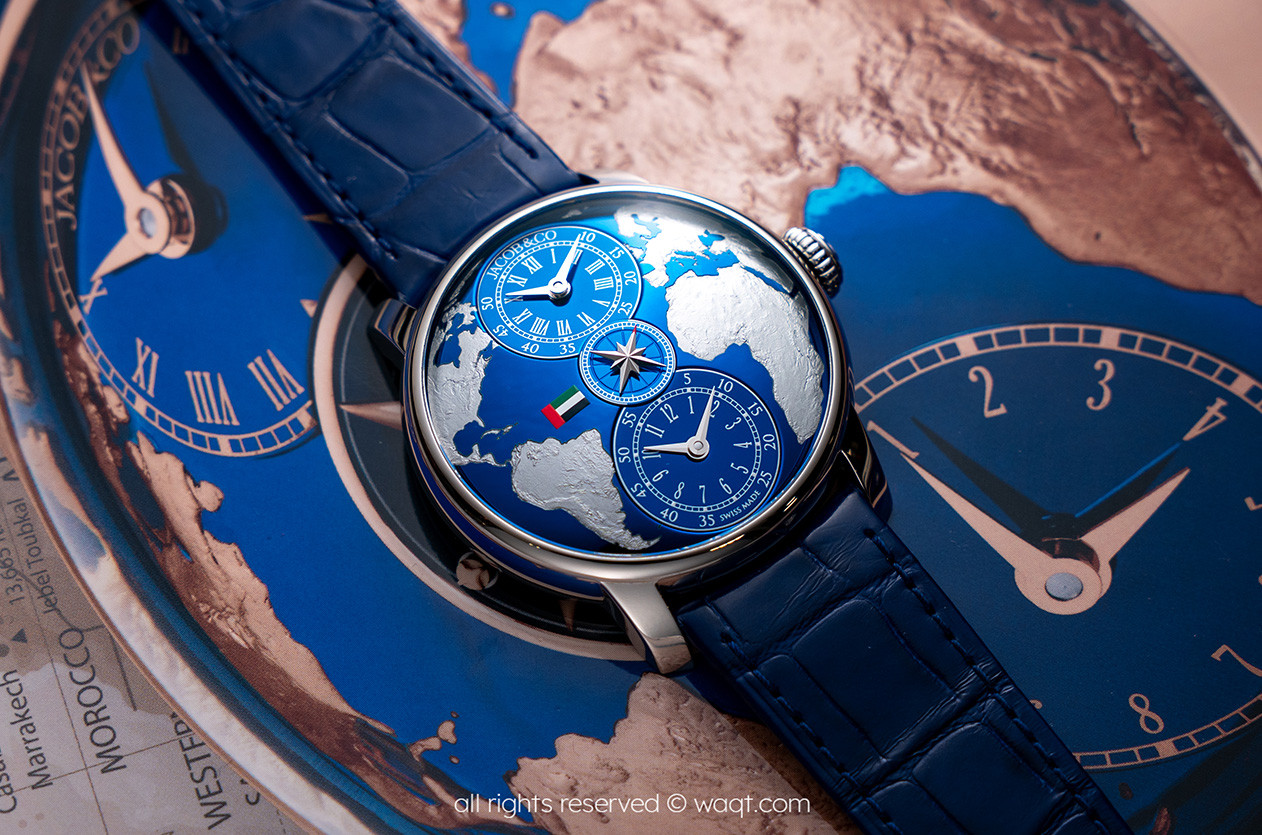
First Look A Special UAE Edition of “The World Is Yours Dual Time Zone”
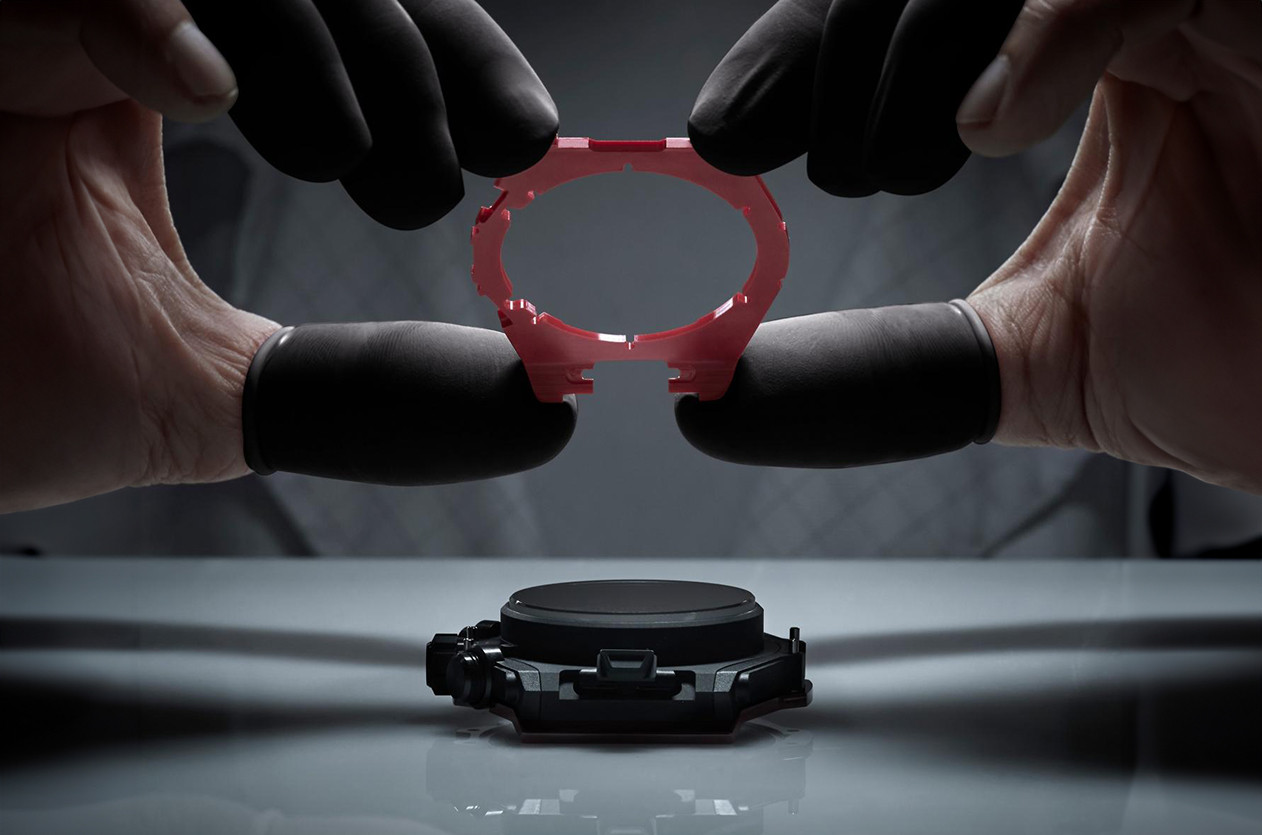
Editorial The Secrets of Watch Case Design
Editorial The Titanium Watch Revolution
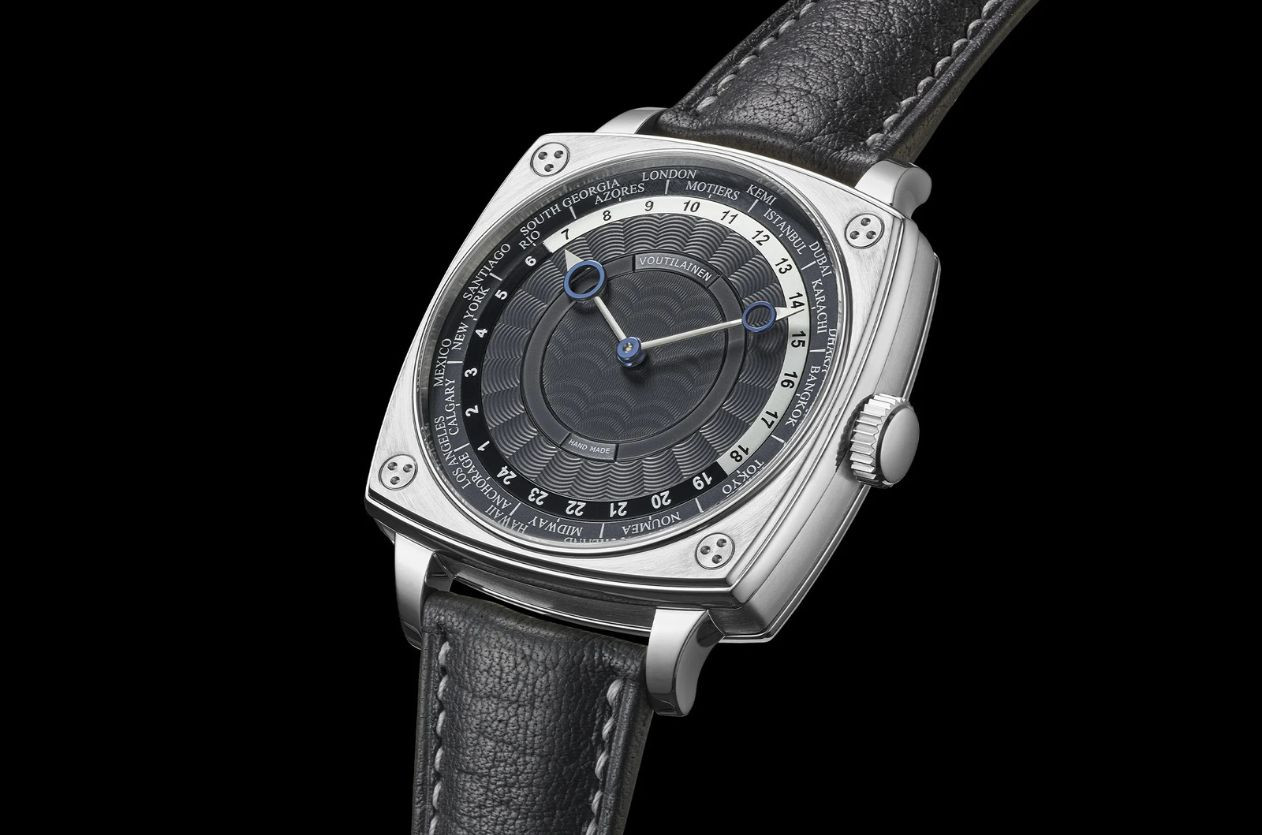
Introducing The Voutilainen CSW or Cushion Shape Worldtime: A Sculpture in Time
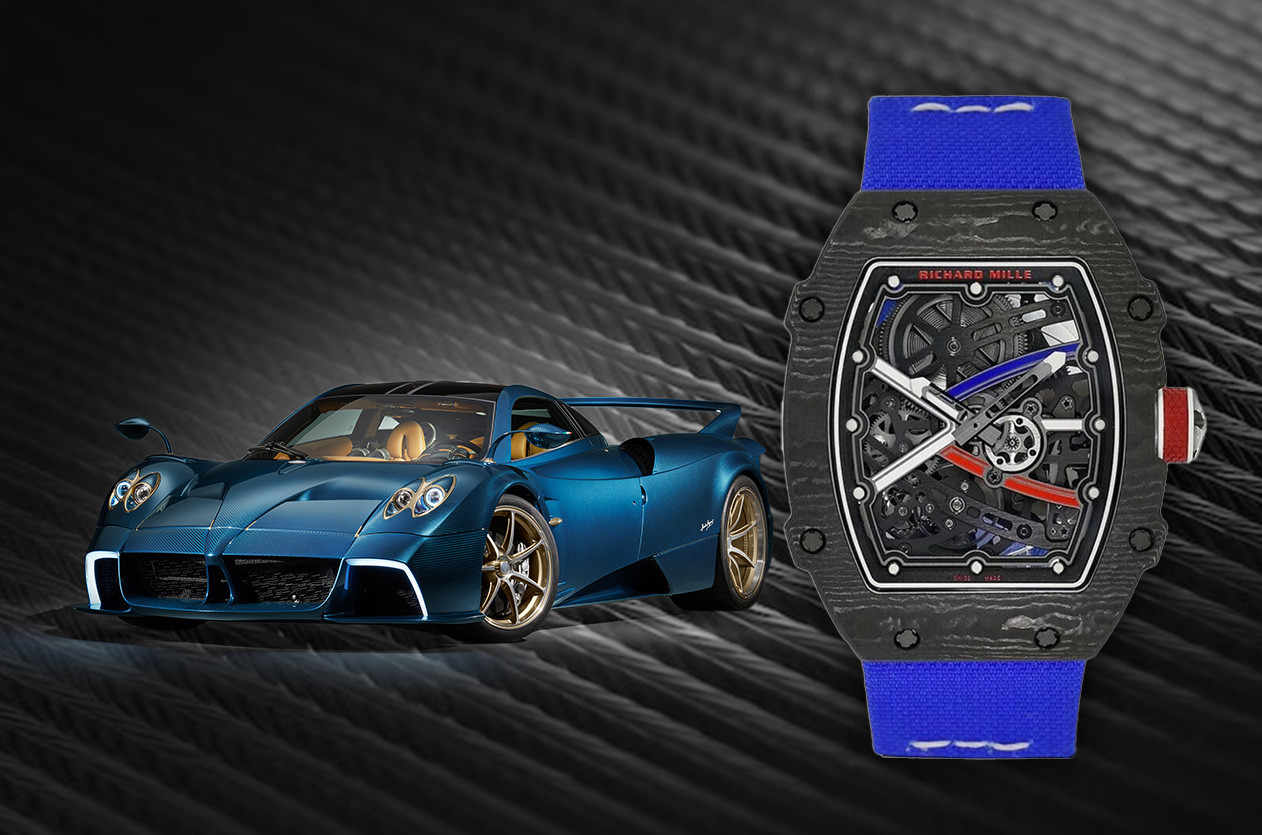
Editorial Is Carbon Fiber the Key to Richard Mille and Horacio Pagani’s Success?
Comment Delete Text
This page is available in English only. Please click below to visit Arabic Home page!