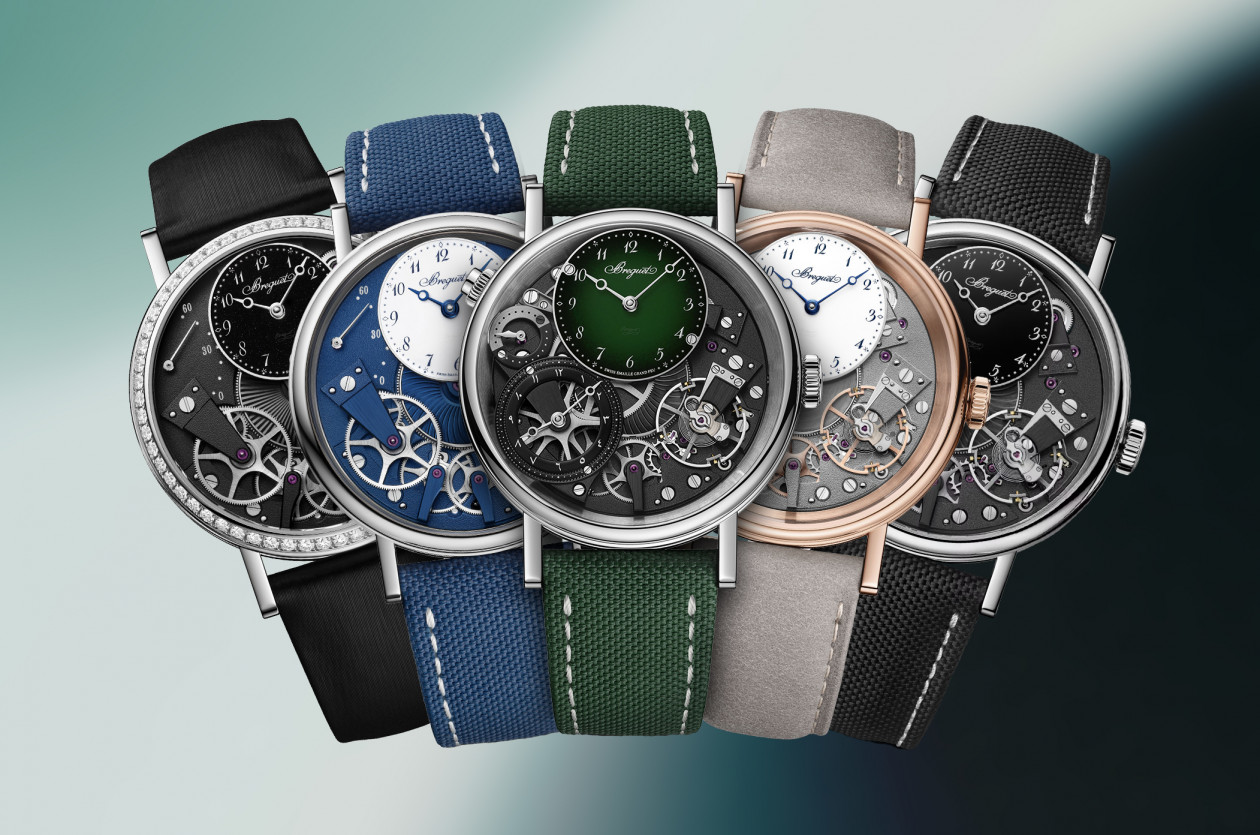
Introducing Breguet Refreshes the Tradition Collection with a Modern Touch
Welcome to the hub of the horoloy
The brand is reviving its iconic watch, and one of its most famous designs ever
In 1874, Georges Edouard Piaget established his inaugural workshop on the family farm, located in the quaint village of La Côte-aux-Fées nestled within the Swiss Jura mountains. The enterprise was primarily focused on crafting pocket watches and precision clock movements. In 1911, Timothée Piaget, son of Georges Piaget, assumed control of the family enterprise, marking a shift towards specializing in wrist watch production. Under the stewardship of the founder's grandsons, Gérald and Valentin Piaget, the Piaget brand attained registered trademark status in 1943. Subsequently, the La Côte-aux-Fées manufacturer began creating its own distinctive creations.

In 1957, the manufacturer introduced the Calibre 9P, the world's first ultra-thin hand-wound mechanical movement, measuring just 2 mm in thickness. Subsequently, in 1960, Piaget watchmakers engineered the Calibre 12P, setting a Guinness World Record for the thinnest automatic movement at 2.3 mm thick.
 In 1979, Piaget unveiled its inaugural sports elegant timepiece, a watch that would epitomize the spirit and sophistication of the 1980s, the “Piaget Polo.” While sports watches of the 1970s were primarily crafted in steel, the Polo distinguished itself by being entirely crafted in gold. Similar to numerous timepieces of the late 1970s, the Piaget Polo was originally equipped with a quartz movement, a choice deemed fitting for the era. During that period, quartz technology gained widespread acclaim for its precision, enabling watchmakers to create timepieces with high accuracy compared to previous mechanisms.
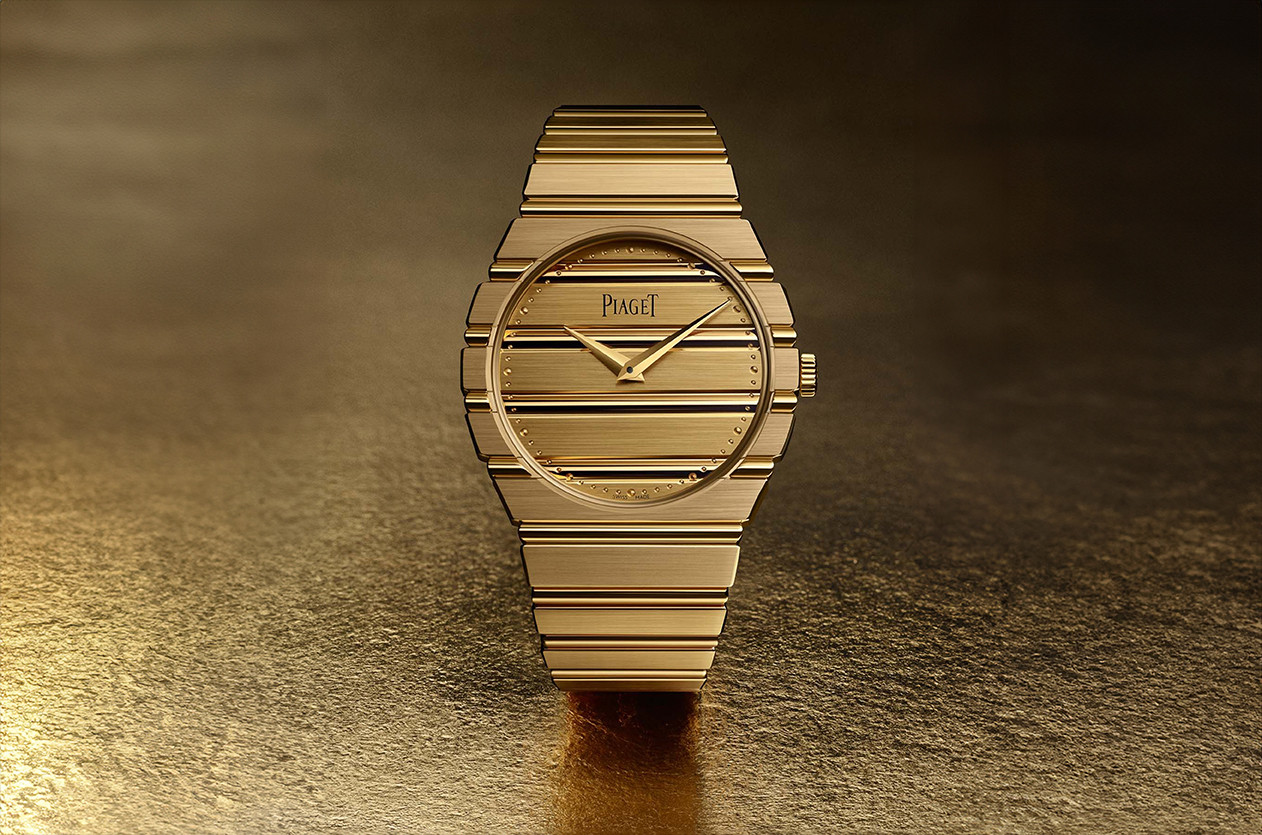
 Now, 45 years since its debut, this historical watch is reintroduced as the “Piaget Polo 79”, remaining true to the ethos of Piaget. Similar to its release in the late 1970s, it is launched in solid gold. With a diameter of 38mm and a thickness of 7.45mm, it comfortably accommodates most wrists. The case is crafted from 3N 18k yellow gold. It boasts a water-resistance rating of 50m. The construction of the case is notably intricate, featuring the iconic polished gadroons—a decorative edging on metal or wood formed by parallel rounded strips—that are added to a brushed hollowed case, resulting in a seamless assembly of gold.
 As one's eyes move to the dial, the trademark gadroons persist, establishing a visual coherence that unifies the entire timepiece. Crafted from gold, akin to the case and bracelet, this dial showcases a tone-on-tone minute track adorned with pearl-like dots of different sizes, and 18k gold dauphine-style hands.
 Through the caseback, one can observe the ultra-thin automatic Piaget calibre 1200P1. Serving as a true successor to the iconic automatic calibre 12P, this movement measures 29.9mm in diameter and a mere 2.35mm in thickness. It is powered by a micro-rotor, operating at 21,600 vph (3Hz), and offering a power reserve of 44 hours.
 The golden bracelet seamlessly blends with the case, featuring a combination of polished gadroons and satin-brushed flat surfaces that produce captivating reflections. Securing the bracelet is a triple-blade folding clasp. The Polo 79 will be produced in limited quantities, with a price of USD 73,000, equivalent to AED 270,000.
For more information please visit Piaget’s official website.
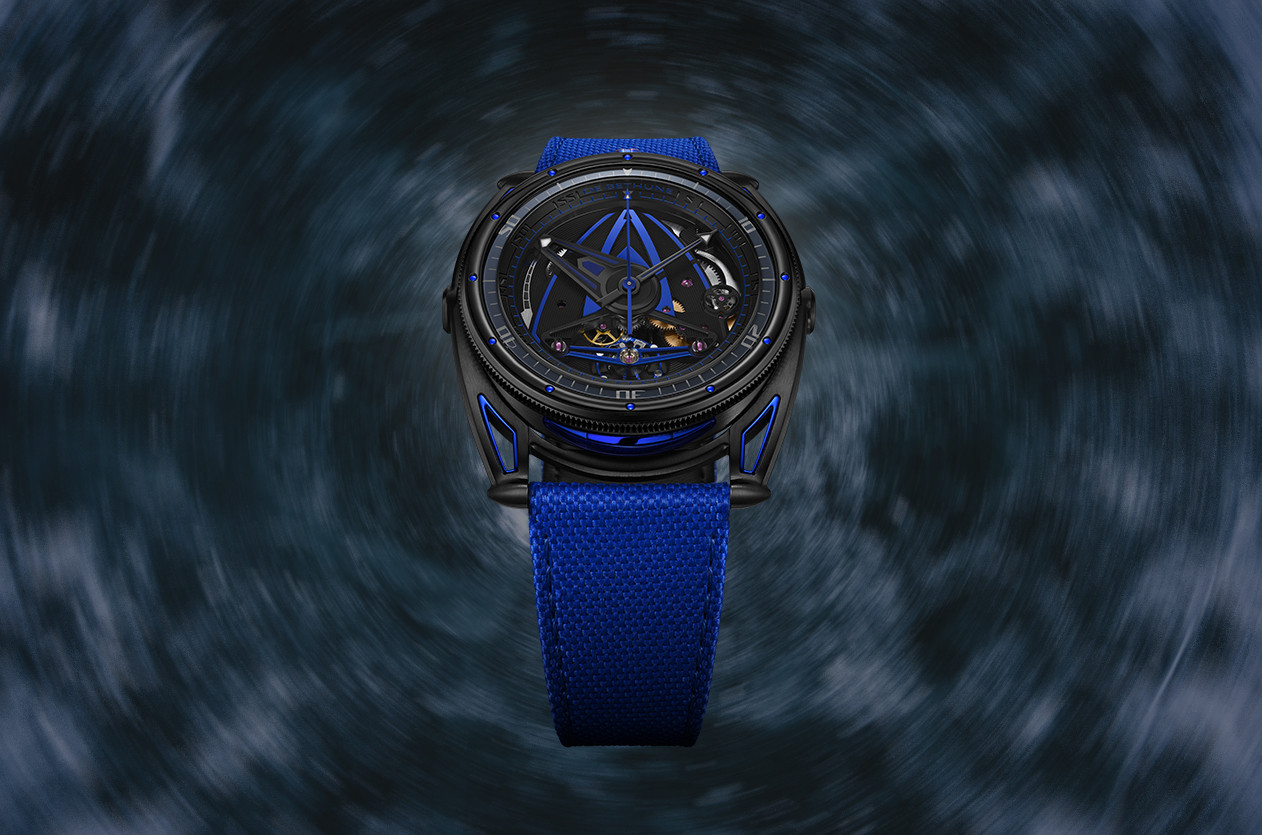
Introducing DB28GS Swordfish: The Luxury Dive Watch from De Bethune
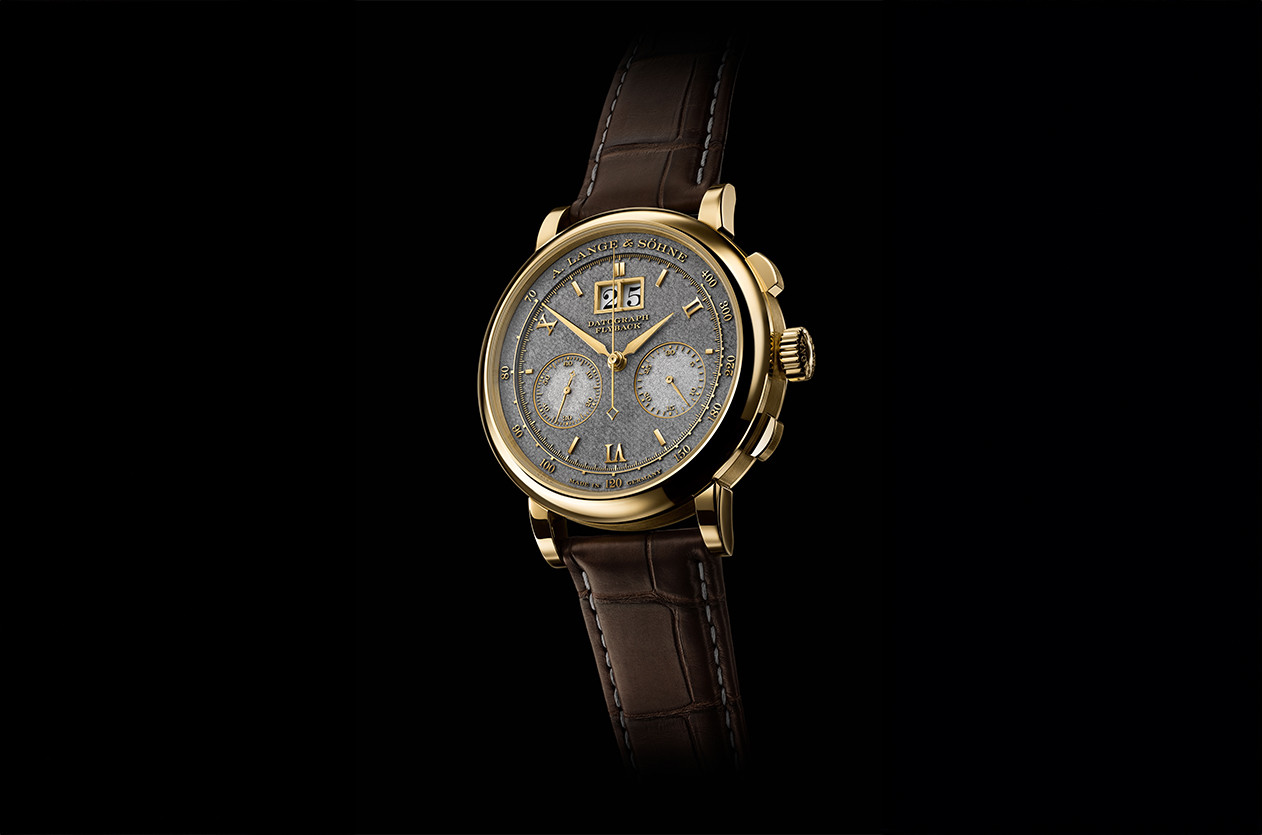
Introducing A. Lange & Söhne Continues Celebrating the 25th Anniversary of the Datograph
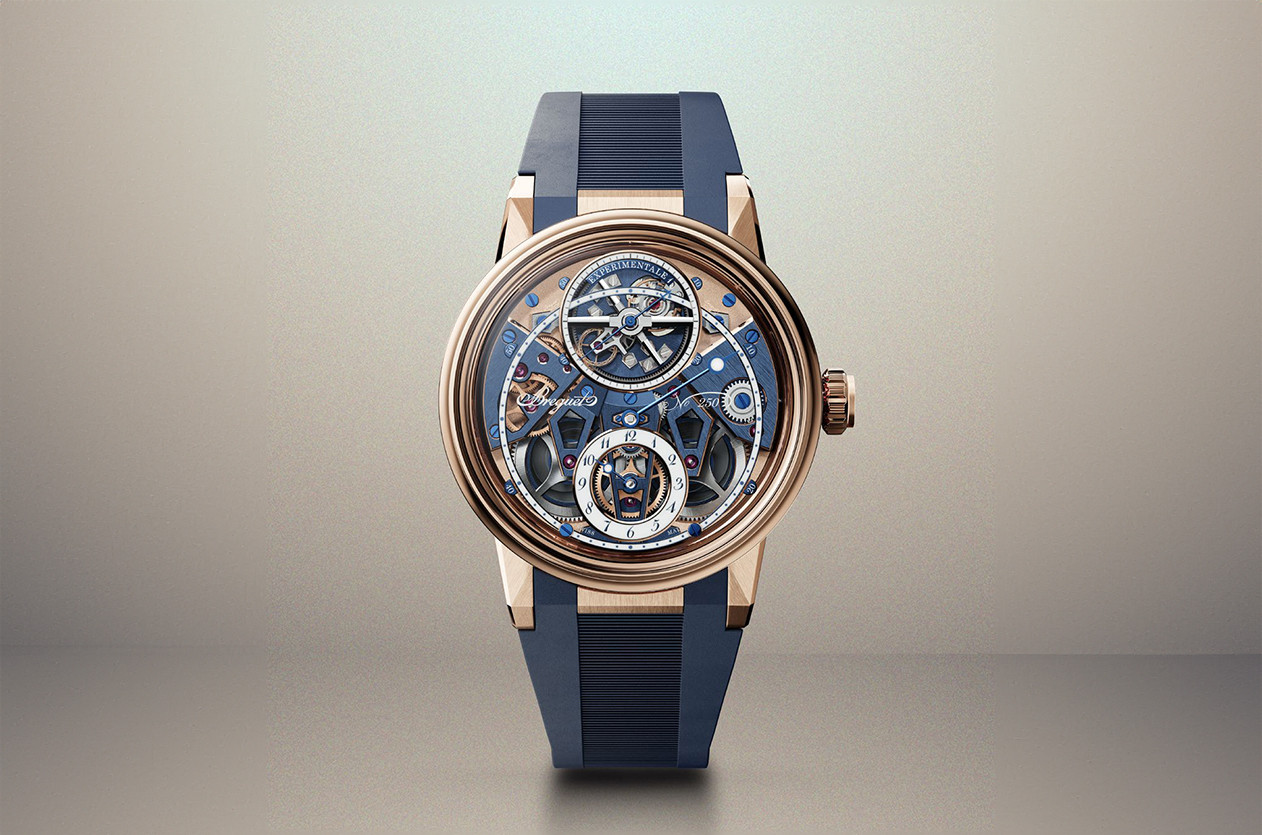
Introducing Breguet Unveils Its Final 250th-Anniversary Timepiece: Expérimentale 1
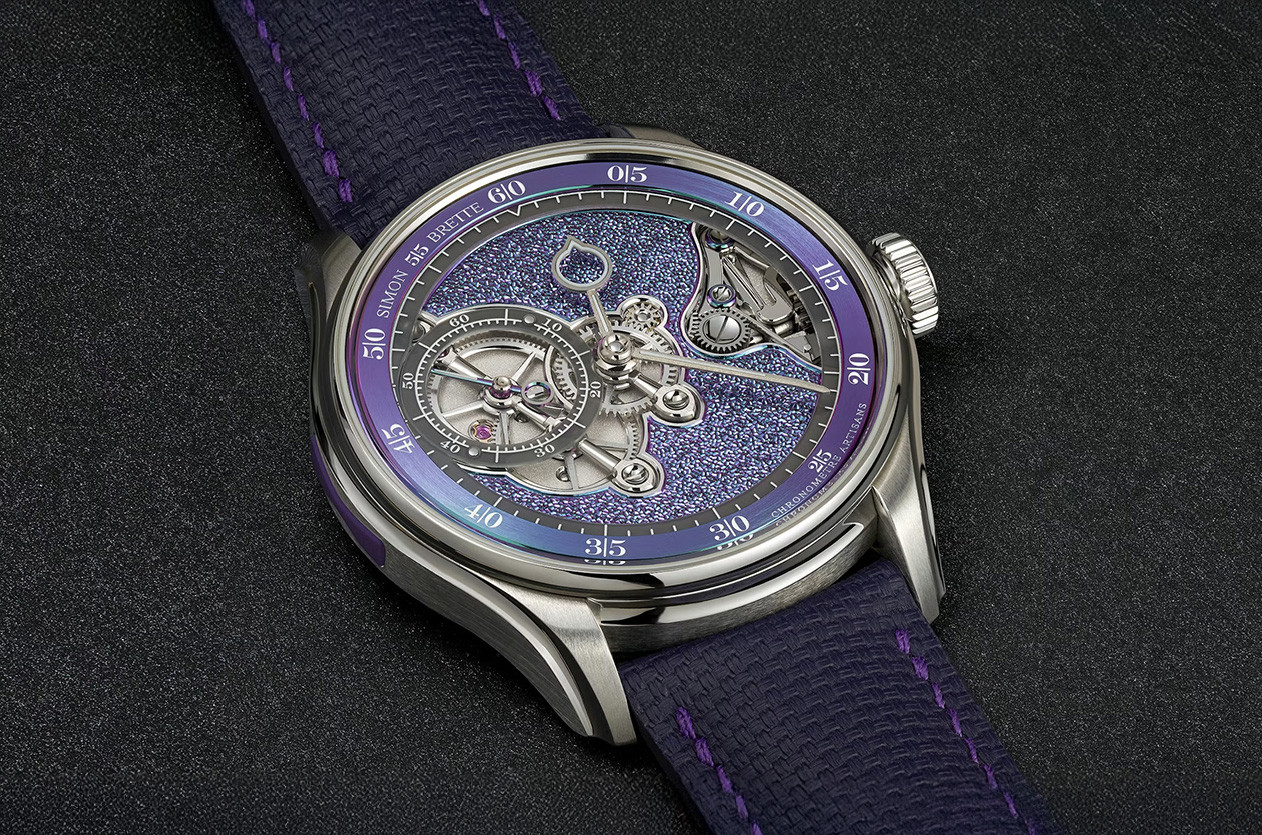
Introducing Simon Brette Unveils the Chronomètre Artisans in Stainless Steel
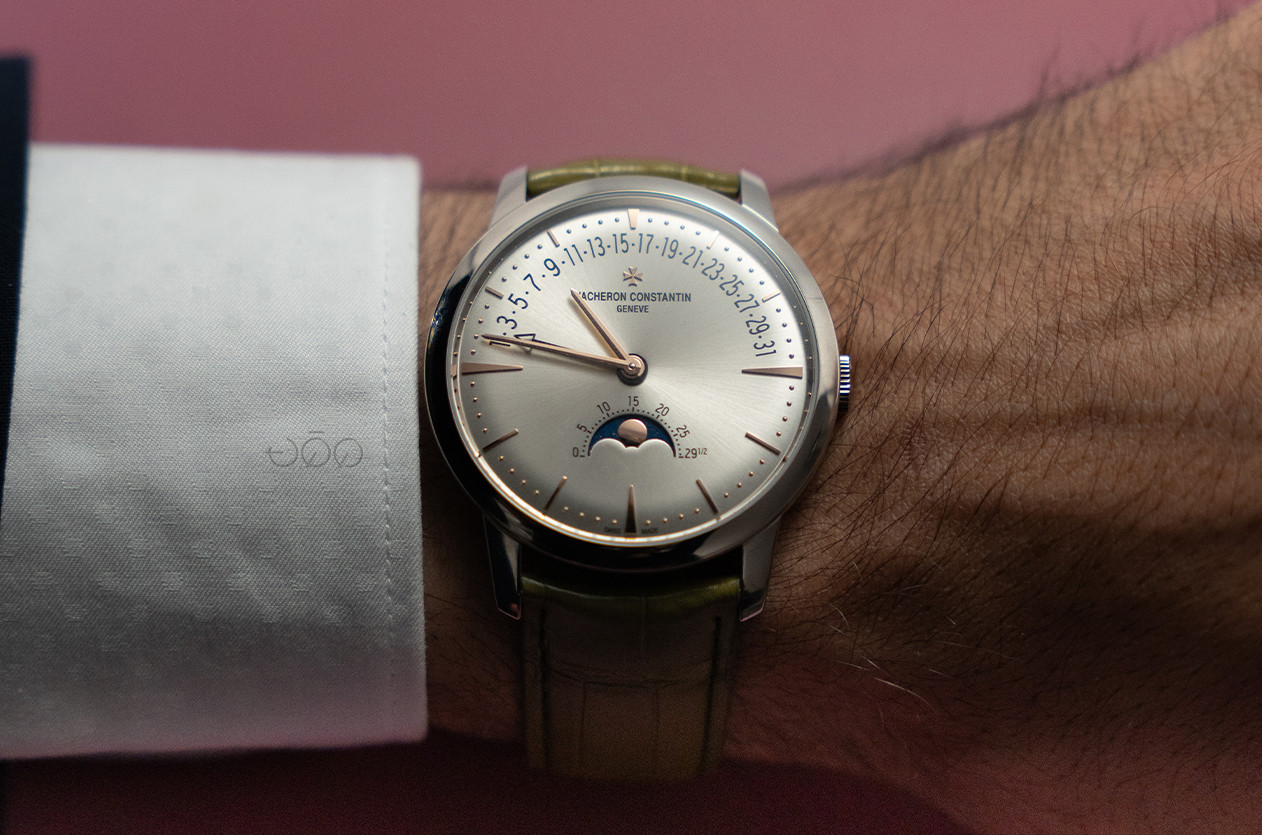
Hands on The New Vacheron Constantin Patrimony Collection
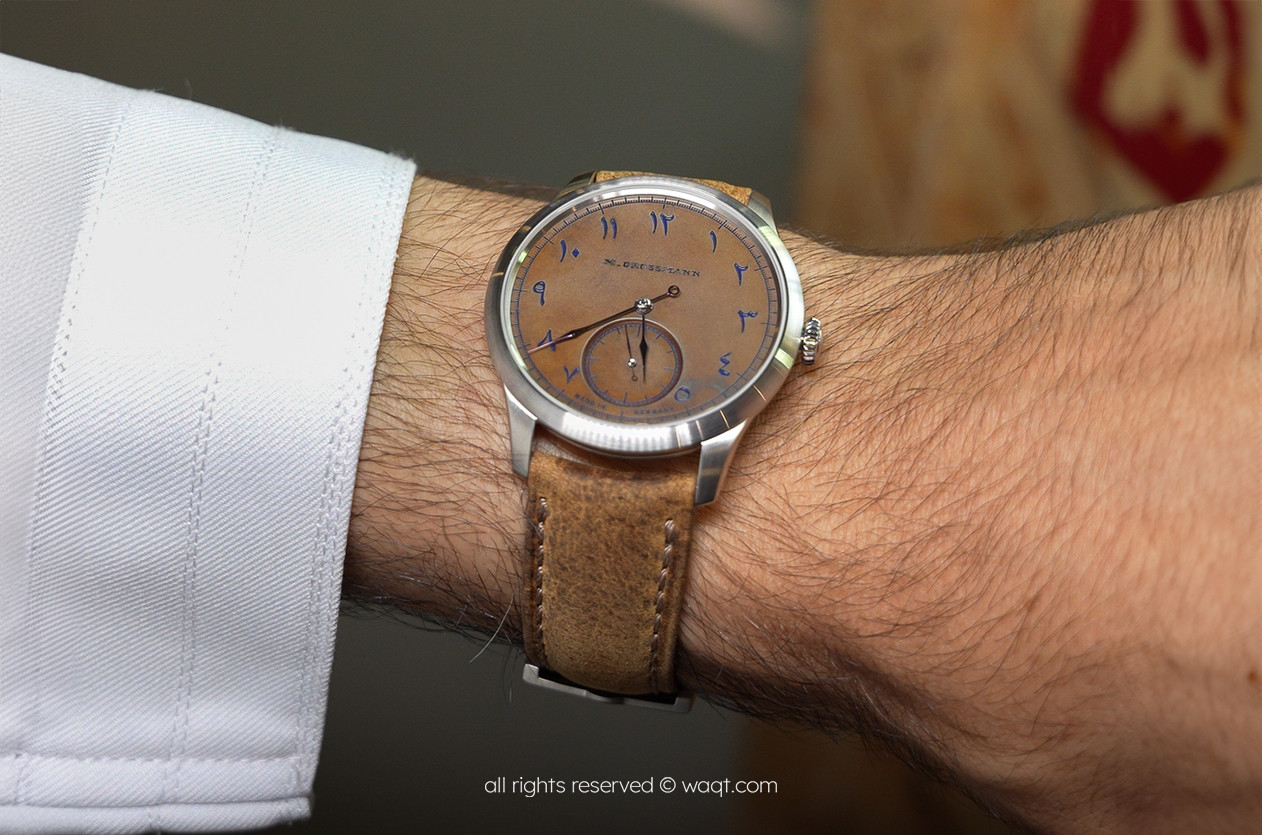
Introducing Moritz Grossmann Presents the TEFNUT Seddiqi 75 Anniversary Edition
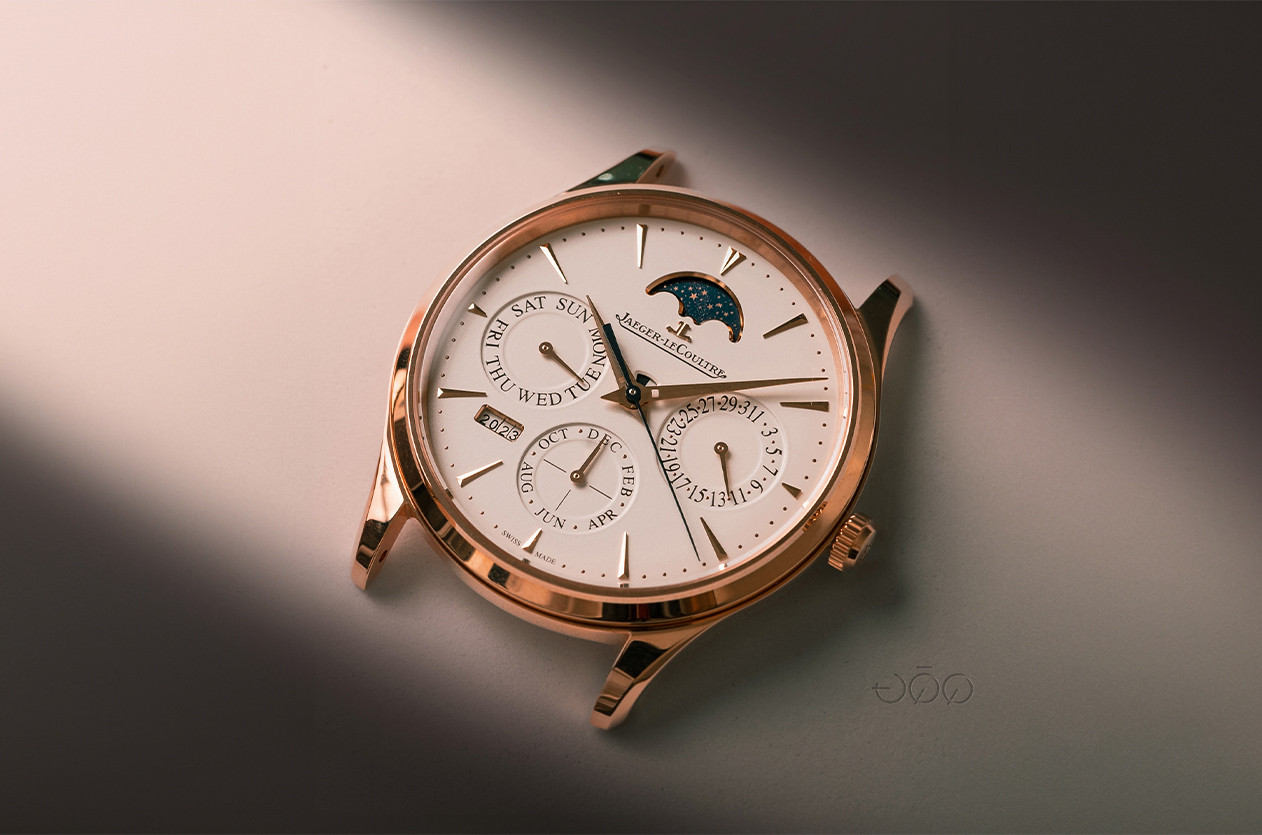
Editorial The Most Sought After Dial Finishing
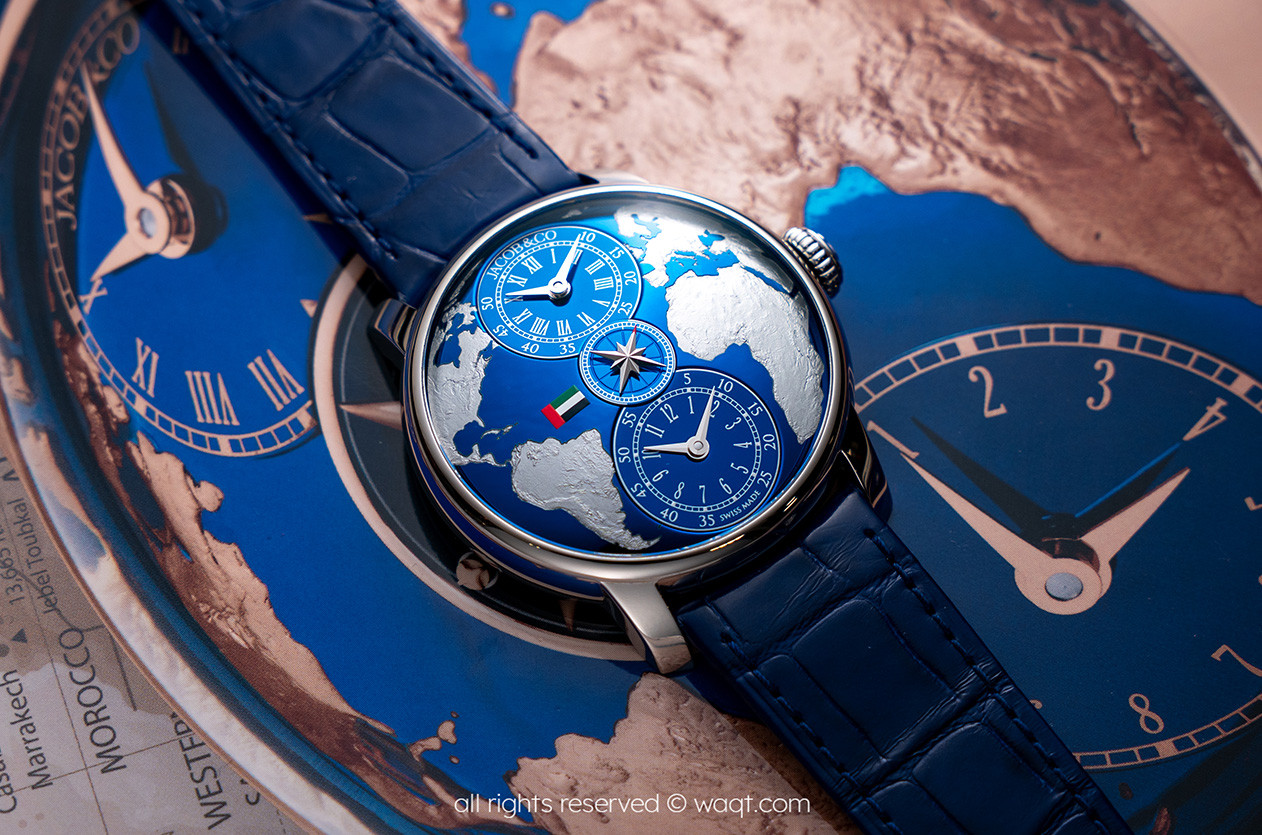
First Look A Special UAE Edition of “The World Is Yours Dual Time Zone”
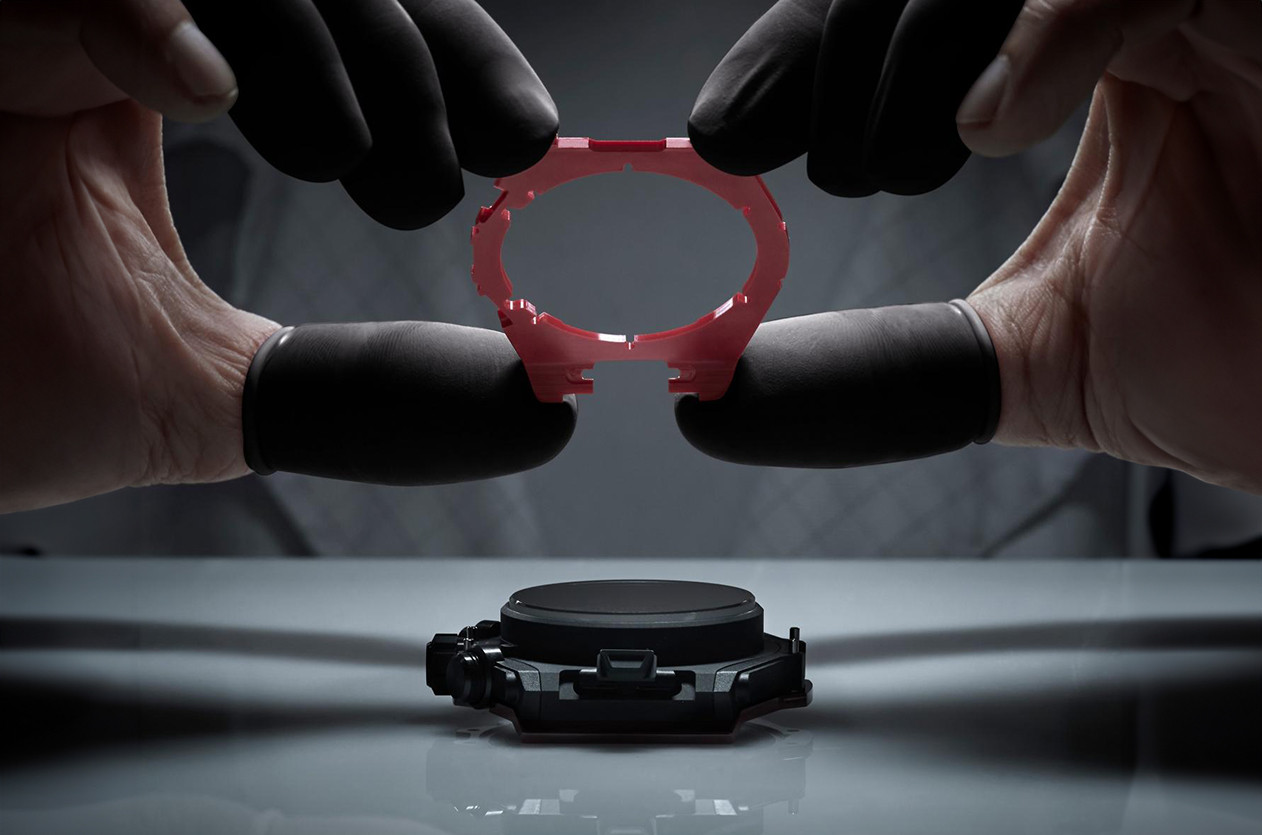
Editorial The Secrets of Watch Case Design

Editorial The Titanium Watch Revolution
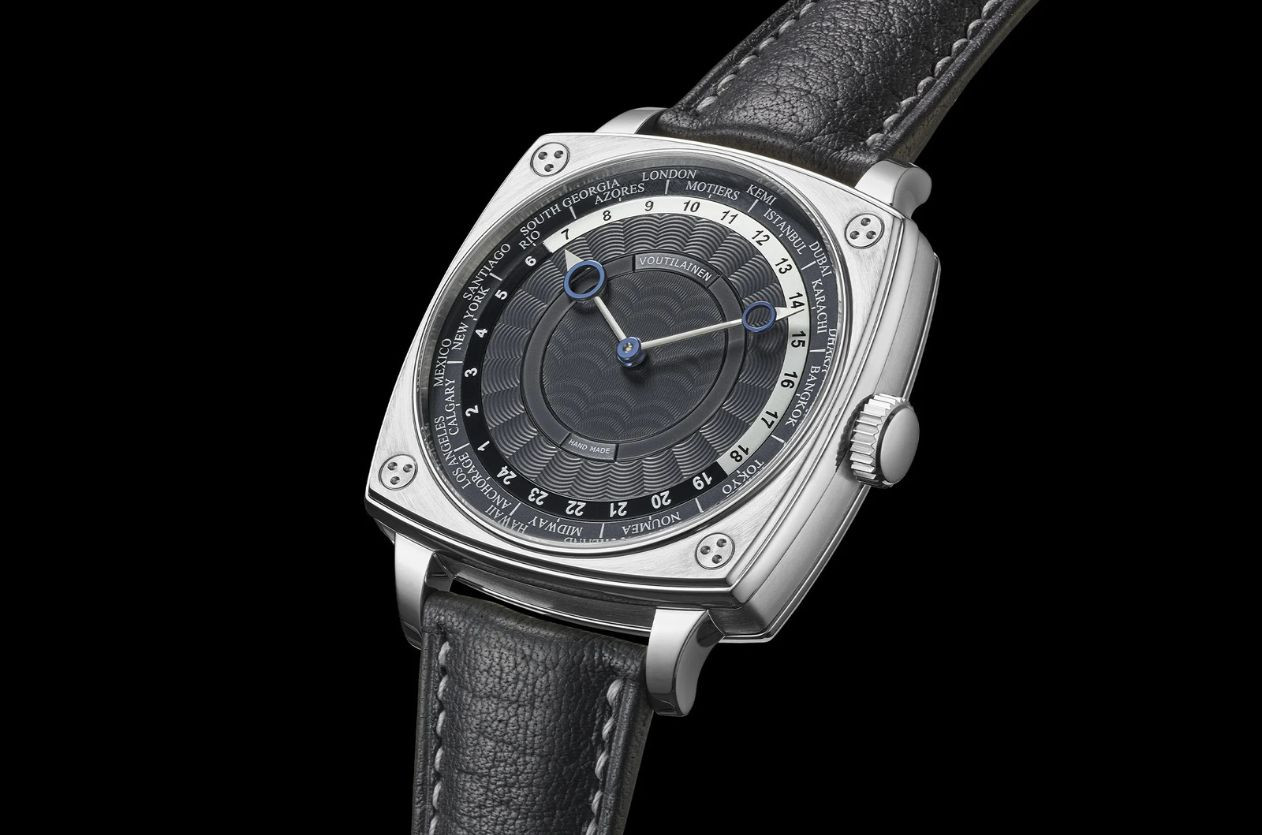
Introducing The Voutilainen CSW or Cushion Shape Worldtime: A Sculpture in Time

Editorial Is Carbon Fiber the Key to Richard Mille and Horacio Pagani’s Success?
Comment Delete Text
This page is available in English only. Please click below to visit Arabic Home page!